

















7.2.3 Carbon Management and Carbon Dioxide Emission Reduction at UNISSULA
Managing and Reducing Carbon Emissions
Universitas Islam Sultan Agung (UNISSULA) implements a campus-wide process to manage energy use and reduce carbon dioxide emissions through energy conservation, energy-efficient buildings, renewable energy, low-carbon transportation, and environmental management.
The university combines operational measures with infrastructure improvements to reduce dependence on conventional energy and fossil-fuel-based transportation.
This process supports UNISSULA’s transition toward a more energy-efficient and lower-carbon campus.
Energy Conservation as Part of Carbon Management
Reducing unnecessary energy consumption is one of the main components of UNISSULA’s carbon-reduction process.
The university promotes responsible energy use across faculties, offices, and other campus units, including switching off lighting, air-conditioning, computers, printers, and other electrical equipment when they are no longer required.
Reducing electricity consumption helps lower the indirect carbon dioxide emissions associated with campus energy use.
Energy-Efficient Buildings
UNISSULA progressively improves the energy efficiency of campus buildings through green-building principles and building renovation.
Measures implemented include:
- energy-efficient LED lighting;
- natural daylighting;
- natural ventilation;
- efficient air-conditioning equipment;
- controlled use of electrical equipment;
- building shading; and
- sustainable building maintenance.
UNISSULA’s green-building documentation confirms the use of energy-saving lighting such as LED lamps and efficient lighting fixtures in classrooms, offices, corridors, laboratories, and public facilities.
The university also uses efficient air-conditioning units and promotes controlled operation of lighting and electrical equipment.
Natural Lighting and Ventilation
Building design and renovation are also used to reduce energy demand.
Many UNISSULA buildings utilise windows, openings, corridors, and building orientation to maximise natural daylight and reduce dependence on artificial lighting.
Natural ventilation is supported through open corridors, wide windows, ventilation openings, and semi-open spaces. These measures can reduce indoor heat and decrease the need for mechanical cooling in appropriate areas.
Reducing lighting and cooling demand contributes directly to reducing energy-related carbon emissions.
Renewable Energy Through Solar Photovoltaic Systems
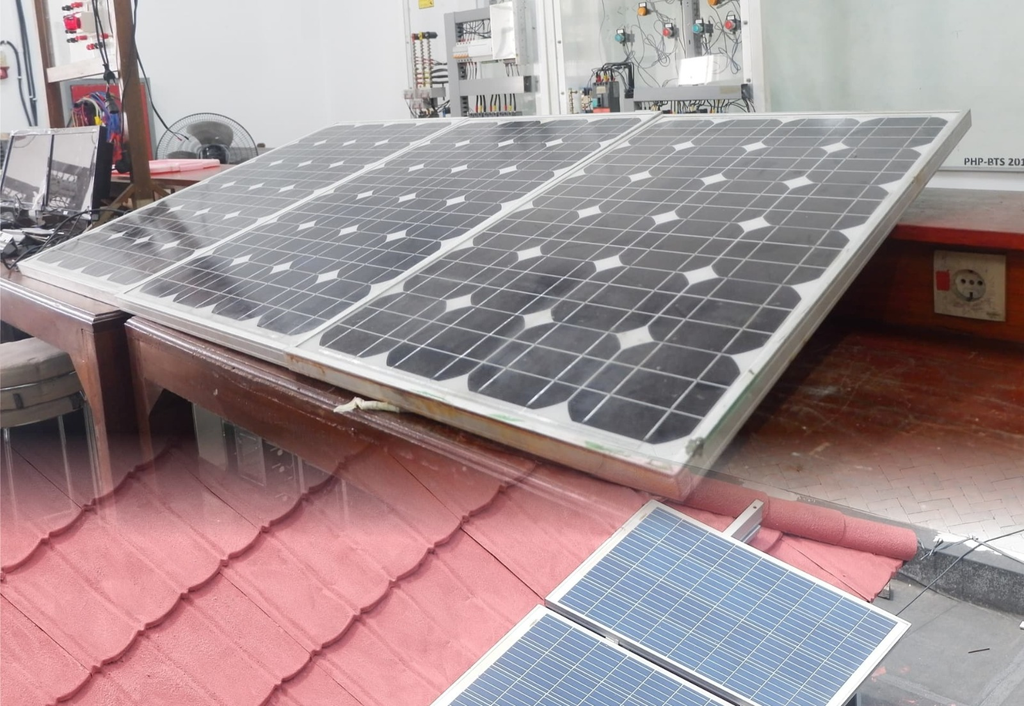
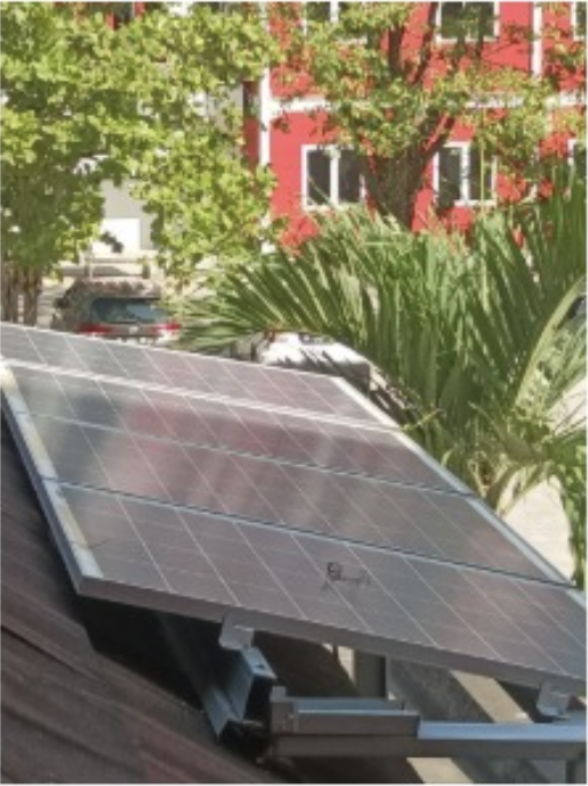
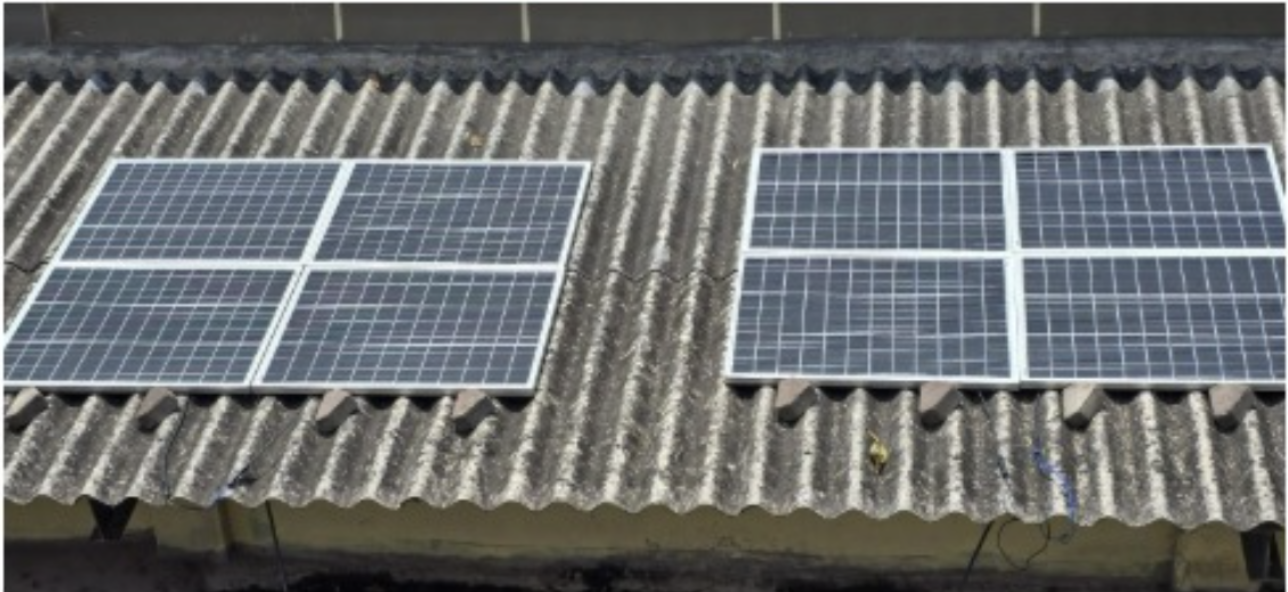
UNISSULA also supports carbon reduction through the use and development of solar photovoltaic technology.
Solar panels are installed and developed within the university environment to utilise solar energy as an alternative to conventional electricity sources.
The university’s 2025 sustainability documentation identifies rooftop solar photovoltaic systems as part of UNISSULA’s renewable-energy implementation.
Using solar energy reduces dependence on conventional energy and supports lower-carbon campus operations.
Development and Use of Electric Vehicles
Transportation is another area addressed by UNISSULA’s carbon-reduction process.
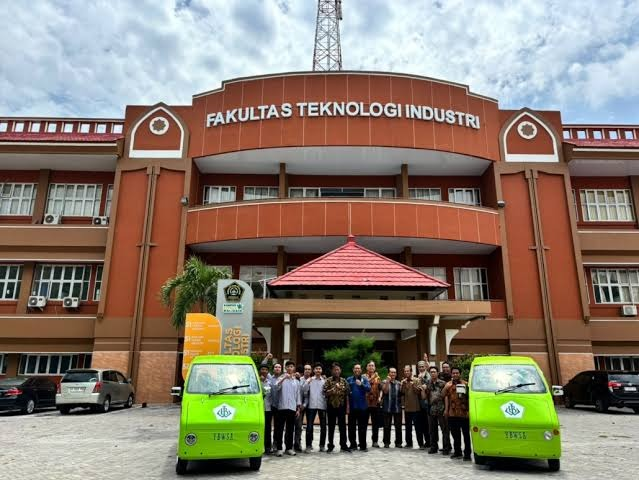
UNISSULA has developed electric vehicles and uses them to support transportation between faculties and buildings within the university environment.
The use of electric vehicles provides an alternative to conventional fossil-fuel-powered vehicles for short-distance campus mobility.
This reduces direct fuel consumption and supports the university’s efforts to lower transportation-related carbon dioxide emissions.
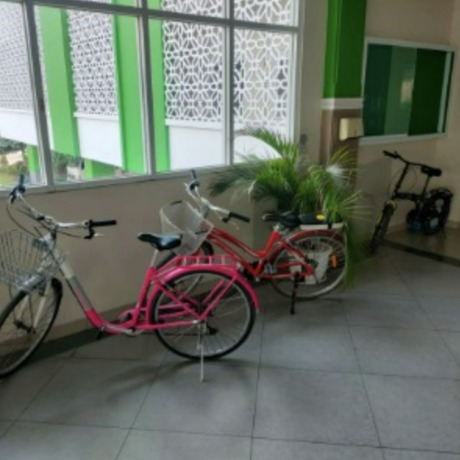
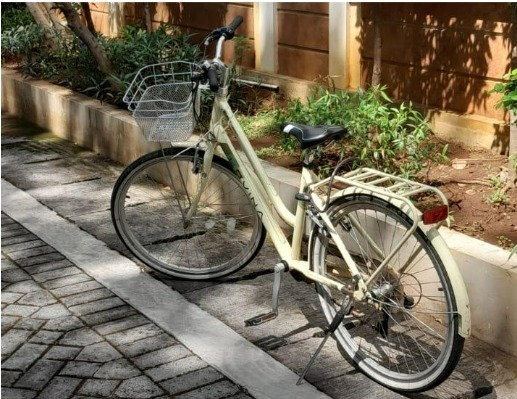
Electric Bicycles and Conventional Bicycles
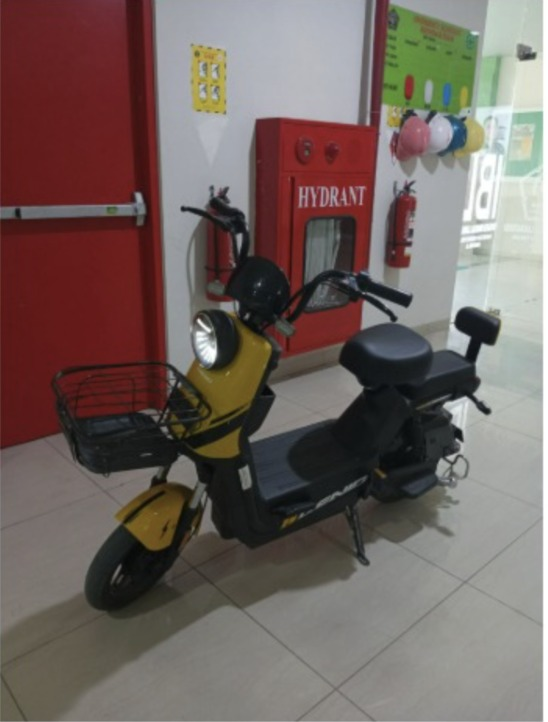
UNISSULA also provides and promotes lower-carbon forms of transportation through:
- electric bicycles; and
- conventional bicycles.
These vehicles are suitable for mobility between buildings and faculties.
Conventional bicycles generate no direct operational carbon emissions, while electric bicycles require significantly less energy than conventional motor vehicles.
Together with electric vehicles, these facilities help reduce reliance on motorcycles and cars for internal campus transportation.
Reducing Fossil-Fuel-Based Campus Mobility
UNISSULA’s low-carbon transportation approach therefore includes several alternatives for short campus journeys.
Where appropriate, mobility between buildings and faculties can be supported by:
walking → bicycles → electric bicycles → electric campus vehicles
rather than relying solely on conventional fossil-fuel-powered vehicles.
This forms an important component of the university’s wider emission-reduction process.
Renovation and Improvement of Existing Buildings
Carbon reduction is also supported through improvements to existing buildings.
UNISSULA’s green-building documentation for existing non-residential buildings includes energy-efficiency elements such as:
- minimum energy-efficiency performance;
- lighting zoning;
- renewable-energy use;
- energy-efficiency improvement; and
- sustainable maintenance.
Renovations that replace conventional lamps with LEDs and increase the use of natural daylight provide practical examples of energy-efficiency improvements in existing campus buildings.
Green Areas and Campus Vegetation
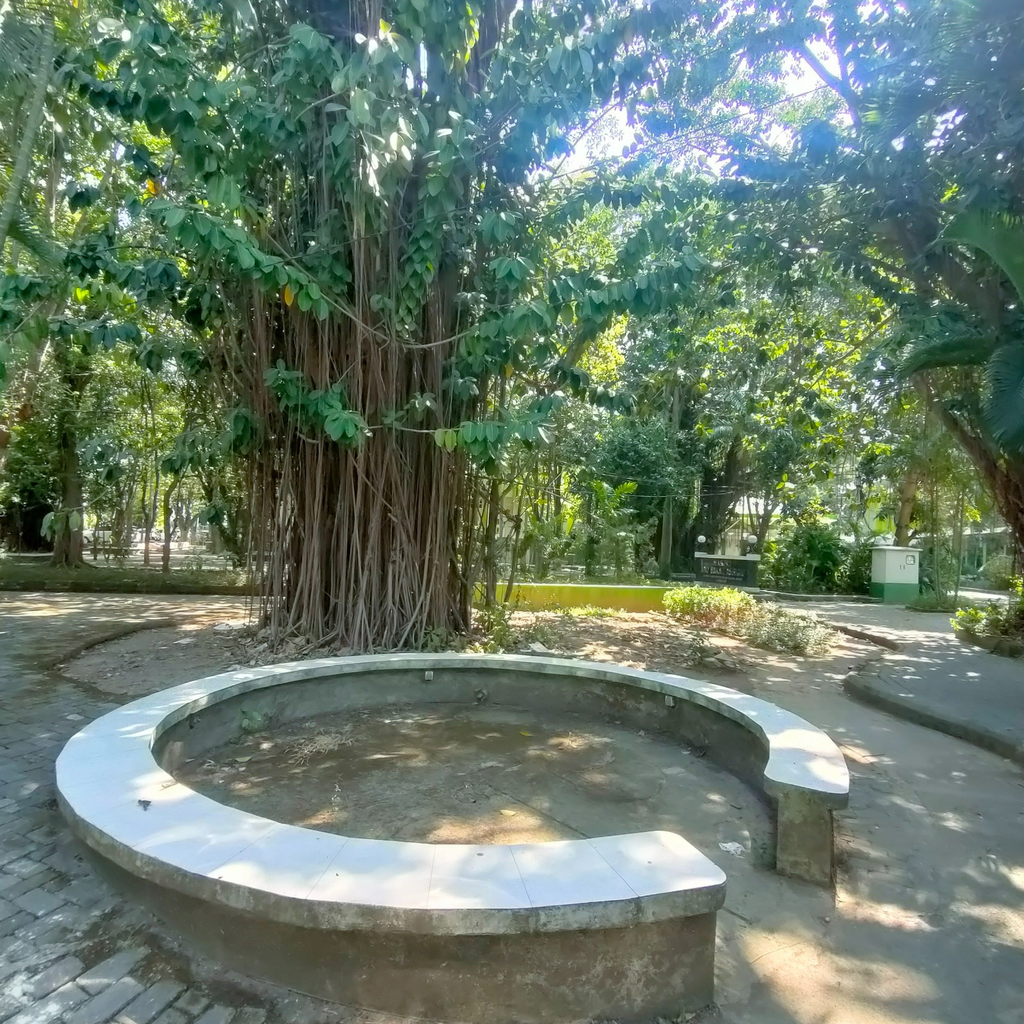
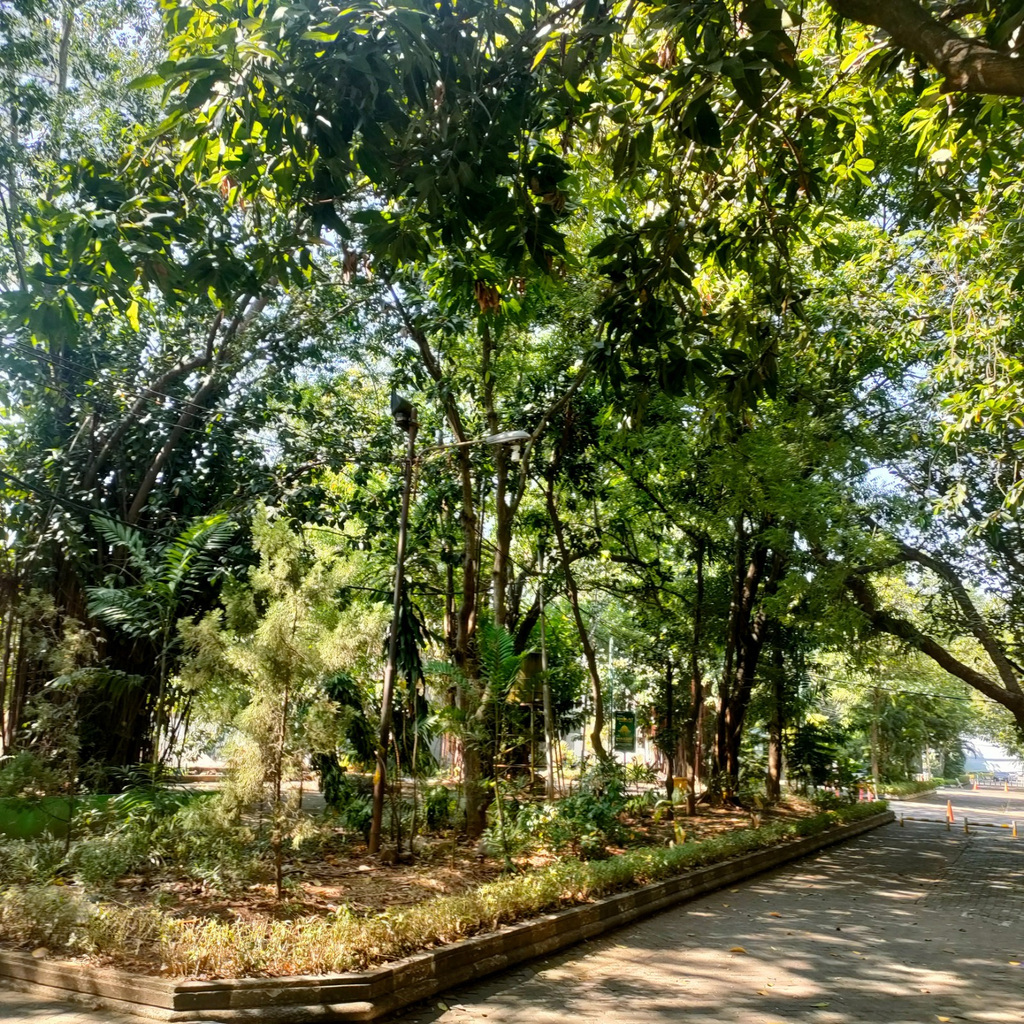
UNISSULA maintains green open spaces, trees, gardens, and landscaped areas around campus buildings.
Vegetation provides shade, improves the campus microclimate, and can help reduce heat around buildings, thereby supporting lower cooling demand.
The university’s green-building documentation identifies green spaces around campus buildings as contributing to reduced heat and improved environmental quality.
These measures complement the university’s energy and transportation initiatives.
UNISSULA Carbon-Reduction Process
UNISSULA’s carbon-management process can be summarised through the following cycle:
identify major energy and fuel uses → reduce unnecessary consumption → improve building efficiency → increase renewable-energy use → provide low-carbon transportation → maintain and improve environmental performance
The process addresses emissions through practical interventions rather than relying on a single technology.
The principal measures include:
- energy conservation;
- LED lighting;
- efficient air-conditioning;
- natural lighting and ventilation;
- energy-efficient renovation;
- solar photovoltaic systems;
- electric vehicles;
- electric bicycles;
- conventional bicycles; and
- campus green spaces.
Continuous Improvement
UNISSULA continues to improve its energy and environmental performance through building maintenance, renovation, adoption of more efficient technology, renewable-energy development, and sustainable transport.
Regular maintenance of lighting, air-conditioning systems, and other building facilities helps maintain energy efficiency over time.
As existing equipment and infrastructure are upgraded, energy-efficient and lower-carbon alternatives are prioritised wherever practicable.