

















14.2.1 Fresh-Water Ecosystems Educational Programmes
Universitas Islam Sultan Agung (UNISSULA) provides educational programmes and community outreach activities that promote sustainable freshwater management, water conservation, and practical solutions to water-related challenges.
In 2025, UNISSULA implemented and supported initiatives that combined direct community education with practitioner-oriented learning. Two important examples were the Smart Rainwater Harvesting (Smart-PAH) programme in Dukuh Timbulsloko, Sayung District, Demak Regency, and Wetskills-Indonesia 2025, an international water education and innovation programme hosted at UNISSULA in Semarang.
Together, these initiatives demonstrate UNISSULA’s commitment to translating water knowledge into practical solutions for local communities and water-sector practitioners.
Smart Rainwater Harvesting in Timbulsloko
In 2025, UNISSULA carried out the Smart Rainwater Harvesting (Smart-PAH) programme in Dukuh Timbulsloko, Sayung District, Demak Regency.
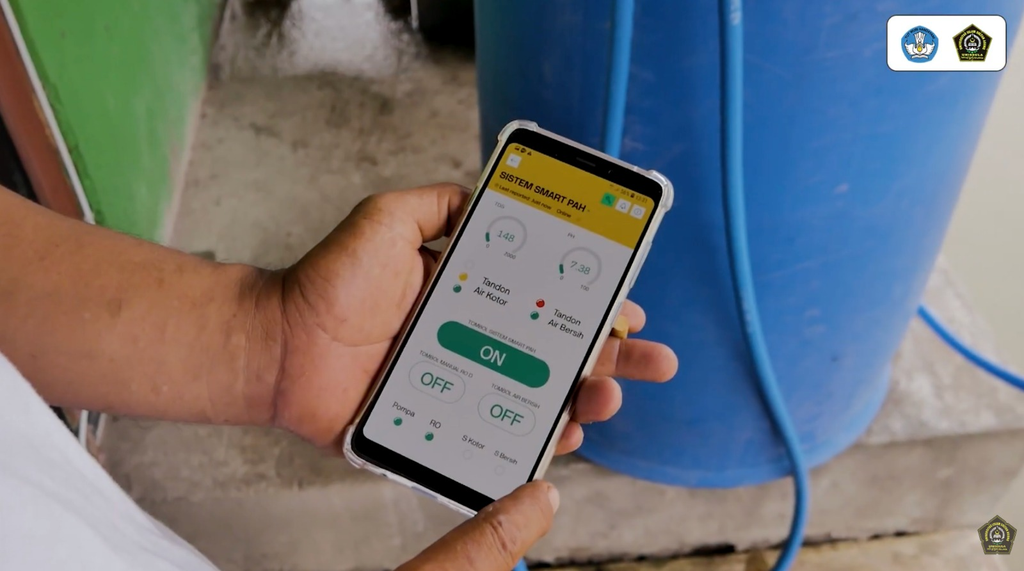
The programme was designed as a community-based educational initiative addressing sustainable water management and the utilisation of rainwater as an alternative freshwater resource.
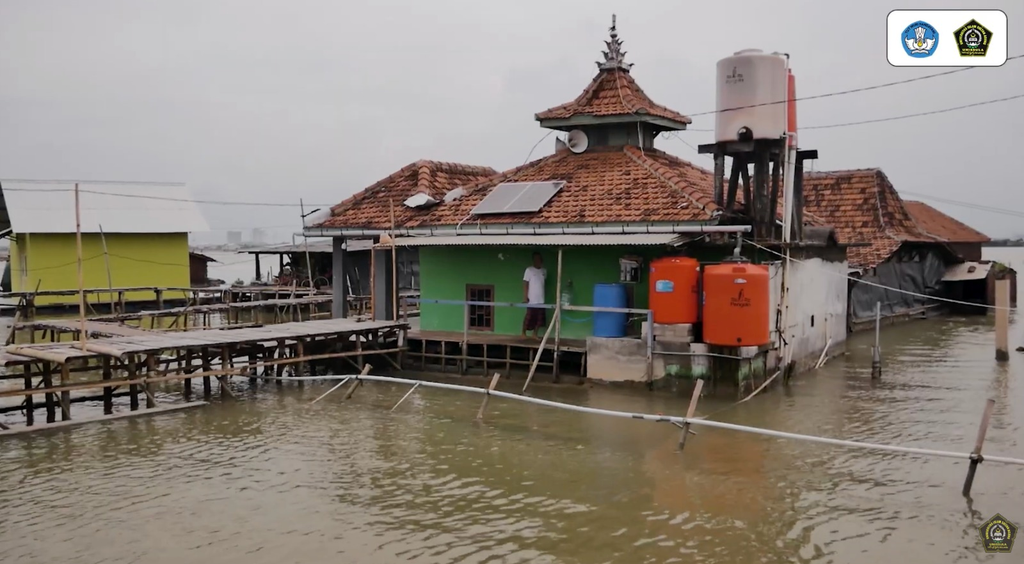
Timbulsloko is a coastal community that faces complex environmental and water-related pressures. In this context, rainwater harvesting provides a practical approach to strengthening local water resilience by capturing rainfall and making it available for beneficial household and community uses.
Through the Smart-PAH programme, community members were introduced to practical approaches related to rainwater collection, storage, utilisation, and responsible water management.
Community Education on Water Conservation
The Smart-PAH initiative combines education with practical implementation.
Rather than providing information only through classroom-style activities, the programme demonstrates how rainwater can be captured and managed as a locally available freshwater resource.
This educational approach strengthens community understanding of:
- Rainwater harvesting;
- Freshwater conservation;
- Responsible household water use;
- Alternative freshwater sources;
- Sustainable water storage and utilisation; and
- Community resilience to water-related environmental pressures.
The programme therefore connects technical knowledge with the everyday needs of local residents.
Practical Freshwater Management
Rainwater harvesting is a practical form of freshwater management because it enables communities to capture rainfall that would otherwise become surface runoff.
For communities facing pressures on conventional freshwater resources, the approach can contribute to diversification of water sources and improved awareness of the importance of conserving available freshwater.
Through community education, UNISSULA encourages residents to understand water not simply as a resource to consume, but as a resource that can be collected, managed, conserved, and used responsibly.
The 2025 Smart-PAH programme therefore provides a direct example of educational outreach on water management and conservation for a local community.
Strengthening Water Resilience in a Coastal Community
The location of the programme in Timbulsloko gives the initiative particular relevance.
Coastal communities can face interconnected challenges involving flooding, environmental degradation, freshwater availability, sanitation, and climate-related risks.
Community knowledge of rainwater harvesting can contribute to resilience by helping residents understand alternative ways of managing locally available freshwater.
The programme demonstrates UNISSULA’s approach of linking university knowledge with practical community needs through direct engagement and community service.
Wetskills-Indonesia 2025 at UNISSULA
UNISSULA further strengthened its freshwater education activities through Wetskills-Indonesia 2025, held in Semarang from 8 to 19 June 2025.
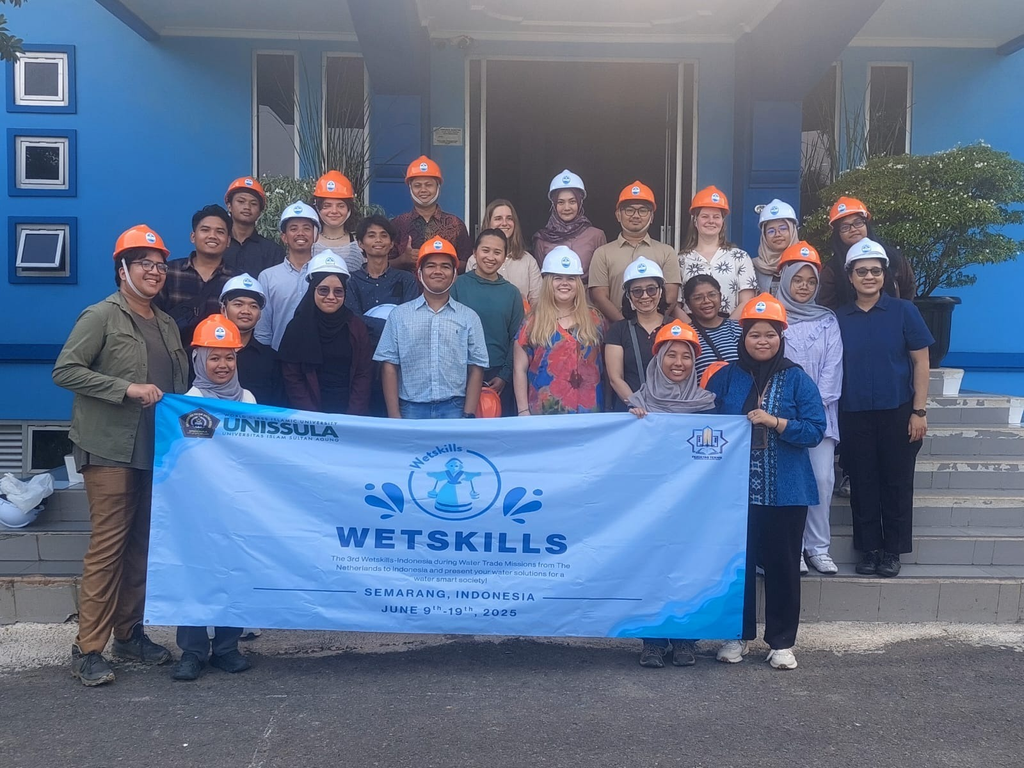

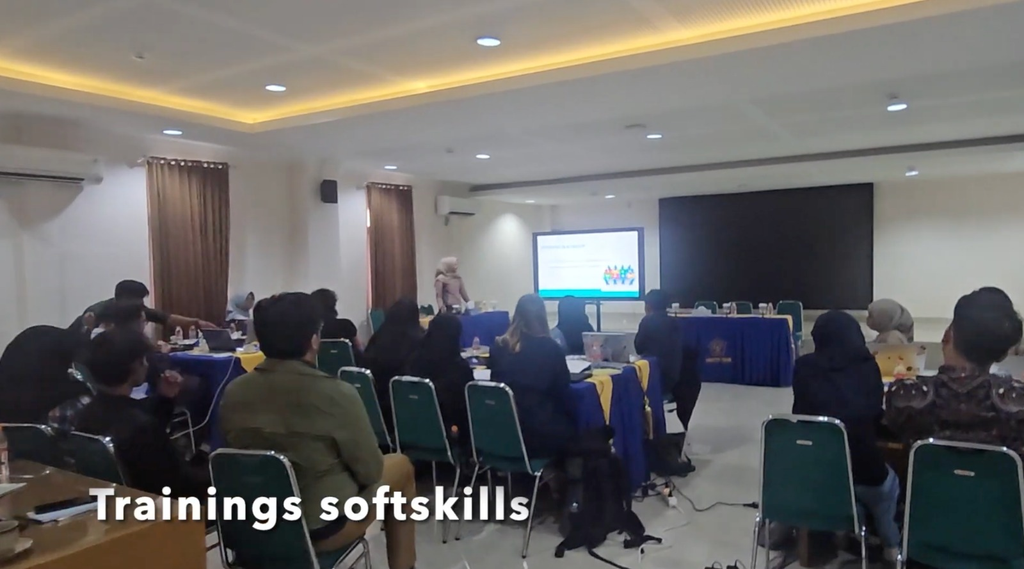
UNISSULA was an event partner and the venue for the programme. Wetskills brought together 24 young talents from around the world to collaborate on real-life water challenges affecting Semarang and Indonesia. Participants worked through multidisciplinary teams supported by field visits and expert mentorship. Wetskills Water Challenges
The programme addressed major water-management issues including:
- Groundwater depletion;
- Non-revenue water and water losses;
- Wastewater reuse;
- Flood-basin planning;
- River revitalisation;
- Community participation in water management; and
- Local water security and resilience.
This structured learning programme complemented UNISSULA’s direct community education activities by connecting participants with water professionals, government-related stakeholders, utilities, companies, and experts.
Learning from Local Water Professionals
Wetskills-Indonesia 2025 was designed as a practical educational experience rather than a conventional classroom programme.
Participants explored water-related sites, interacted with local water professionals, and developed solutions to cases provided by real organisations. The programme aimed to deepen participants’ understanding of Indonesia’s water sector, including its stakeholders, institutions, contemporary challenges, and opportunities. Wetskills Water Challenges
A preparatory programme document also describes Wetskills as a two-week challenge for university-level students and young water professionals, supported by local and international experts from academia, companies, and governmental institutions. UNISSULA was identified as one of the local academic partners. Wetskills Water Challenges
This practitioner-oriented model supports knowledge transfer beyond formal degree programmes.
Community-Based Water Solutions
One of the Wetskills cases, Engaging the Community for Water Solutions, focused specifically on community participation in water management.
Developed with Blue Deal Indonesia, the case explored how local governments could more effectively engage residents in responding to recurrent local and coastal flooding.
Participants examined how communities could move beyond simply receiving information and instead become active partners in water-management and resilience measures. Wetskills Water Challenges
This case illustrates the importance of public knowledge, participation, and cooperation in achieving sustainable water management.
Groundwater Conservation
Groundwater depletion was another major topic addressed during Wetskills-Indonesia 2025.
Groundwater is an important freshwater resource, but excessive extraction can contribute to environmental problems, particularly in urban and coastal regions.
By addressing groundwater depletion as a real-life water challenge, the programme encouraged participants to consider the relationship between water consumption, groundwater availability, urban development, land subsidence, and long-term water security. Wetskills Water Challenges
This reinforces the educational focus on responsible freshwater-resource management.
Reducing Water Loss
Another case addressed Water Footprint Compensation in Semarang, involving PDAM Semarang, WaterWorX, and Water Footprint Implementation.
The case focused on reducing Non-Revenue Water through the identification and repair of leaks and inefficiencies in the water-supply system.
Reducing water losses can increase the amount of freshwater available without requiring an equivalent increase in extraction. The case therefore connected practical utility management with water conservation, water stewardship, water security, and community resilience. Wetskills Water Challenges
Wastewater Reuse and Circular Water Management
Wastewater reuse was also included among the real-life challenges addressed by Wetskills participants.
This introduces participants to a more circular approach to water management in which water resources are managed efficiently and, where appropriate, reused rather than treated solely as a disposable resource after initial consumption.
Such approaches can help reduce pressure on freshwater resources while strengthening overall water efficiency.
Rivers and Freshwater Ecosystems
Wetskills-Indonesia 2025 also included a case on the revitalisation of the Semarang River.
The case considered how awareness of the river’s significance could be strengthened and how river revitalisation could be integrated with Semarang’s heritage and tourism development. Wetskills Water Challenges
The case demonstrates that freshwater systems such as rivers are not only sources of water but also important environmental, cultural, historical, and social assets.
Education about rivers therefore contributes to a wider understanding of freshwater ecosystem conservation and sustainable urban water management.
Connecting Community Education and Professional Learning
UNISSULA’s 2025 freshwater educational activities demonstrate two complementary approaches.
The Smart-PAH Timbulsloko programme provides direct education to a local community through practical rainwater-harvesting and freshwater-conservation activities.
Wetskills-Indonesia 2025 provides a structured learning environment in which students, young professionals, experts, utilities, government-related institutions, and water-sector organisations work together on real water challenges.
Together, these approaches connect:
Community education → practitioner learning → technical knowledge → practical water solutions.
Collaboration for Sustainable Water Management
UNISSULA’s cooperation with Wetskills Foundation was further formalised in June 2025 through a Memorandum of Understanding signed during the Dutch Trade Mission to Indonesia.
The agreement reaffirmed cooperation in water education and innovation, including future Wetskills activities, research, and knowledge exchange between students and professionals. Wetskills Water Challenges
This collaboration strengthens the university’s capacity to connect academic knowledge with practitioners and real-world water-management challenges.
Evidence of Implementation
- Smart Rainwater Harvesting (Smart-PAH), Timbulsloko, 2025 – UNISSULA implemented a community-based programme in Dukuh Timbulsloko, Sayung District, Demak Regency, focused on rainwater harvesting and sustainable freshwater management. The programme provided practical education relevant to water conservation and local water resilience.
- Direct local-community engagement – The Smart-PAH programme was conducted with residents of Timbulsloko, demonstrating the application of water-management knowledge directly within a local community.
- Wetskills-Indonesia 2025 – UNISSULA served as an event partner and venue for the programme in Semarang from 8–19 June 2025. Wetskills Water Challenges
- Real-life freshwater challenges – Participants addressed groundwater depletion, non-revenue water, wastewater reuse, flood management, river revitalisation, and community-based water solutions. Wetskills Water Challenges
- Practitioner-oriented education – Participants interacted with local water professionals, government-related institutions, companies, utilities, and experts while undertaking field-based learning and case development. Wetskills Water Challenges
- Community participation in water management – A dedicated Wetskills case examined ways to strengthen community involvement in local water-management and resilience measures. Wetskills Water Challenges
- Water conservation through efficiency – Another case focused on reducing water losses in Semarang’s water-supply system and improving water security and community resilience.