

















UNISSULA Promotes Sustainable Fishing Practices Through Community Education on Illegal Fishing in Demak

Strengthening Awareness of Sustainable Fisheries
Universitas Islam Sultan Agung (UNISSULA), through the Faculty of Industrial Technology (FTI), conducted a community education programme addressing illegal fishing in Bonang District, Demak Regency, Central Java, in November 2025.
Organised by FTI UNISSULA’s community service team, the initiative aimed to raise awareness among local fishing communities about the importance of responsible fishing practices, marine ecosystem protection, and the sustainable use of aquatic resources.
The programme reflected UNISSULA’s commitment to extending environmental education beyond the university campus and supporting coastal communities whose livelihoods depend on healthy marine ecosystems.
Community Education on Illegal Fishing
Illegal fishing presents significant challenges to the sustainability of marine resources. Practices that violate fisheries regulations can contribute to the depletion of fish stocks, damage aquatic habitats, and threaten the long-term economic stability of coastal communities.
Recognising these challenges, FTI UNISSULA organised educational outreach to improve local awareness of illegal fishing and encourage more responsible approaches to fisheries management.
The programme focused on the importance of preventing illegal fishing, protecting marine biodiversity, and maintaining fish stocks for future generations.
By connecting environmental knowledge with the daily activities of fishing communities, the initiative sought to encourage awareness of how sustainable fishing practices contribute to both ecosystem conservation and community well-being.
Free Educational Outreach for Local Fishing Communities
The community education programme was provided free of charge, enabling local fishing communities in Bonang to access information about illegal fishing and sustainable fisheries without financial barriers.
Conducted as part of UNISSULA’s community service activities (Pengabdian kepada Masyarakat), the programme demonstrated the university’s role in making sustainability-related education accessible to communities beyond its academic environment.
The outreach emphasised the relationship between responsible fishing practices, the protection of marine resources, and the continued availability of fisheries as a source of local livelihoods.
Through this approach, UNISSULA sought to strengthen environmental awareness while recognising the importance of sustainable fisheries for coastal community development.
Supporting Coastal Sustainability in Bonang, Demak
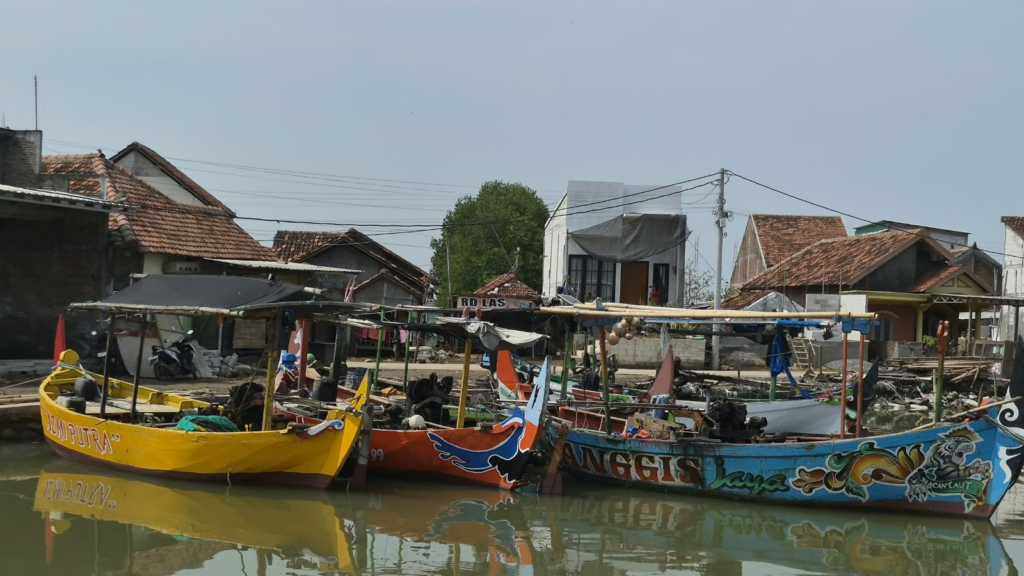
Bonang District in Demak Regency is a coastal area where fishing activities form an important part of local economic and community life.
The availability and sustainability of marine resources are closely connected to the livelihoods of fishing households and the long-term resilience of coastal communities.
By conducting the programme directly in Bonang, FTI UNISSULA brought environmental education closer to the communities engaged in fishing activities.
The initiative also reflected the importance of cooperation between higher education institutions and local communities in addressing environmental challenges through education and community engagement.
Contribution to SDG 14 – Life Below Water
UNISSULA’s community education programme contributes to the United Nations Sustainable Development Goal 14 – Life Below Water, which promotes the conservation and sustainable use of oceans, seas, and marine resources.
Through its November 2025 outreach activity, the university supported local awareness of illegal fishing, responsible fishing practices, and the importance of protecting aquatic ecosystems.
The initiative demonstrates UNISSULA’s commitment to providing accessible environmental education and engaging fishing communities in efforts to promote sustainable marine resource management.
By integrating community service with sustainability education, UNISSULA continues to strengthen its contribution to marine conservation awareness and the long-term well-being of coastal communities.