UNISSULA SUSTAINABILITY REPORTING
SDG 12 – Responsible Consumption and Production
Progress Report 2025
2025 Report Overview
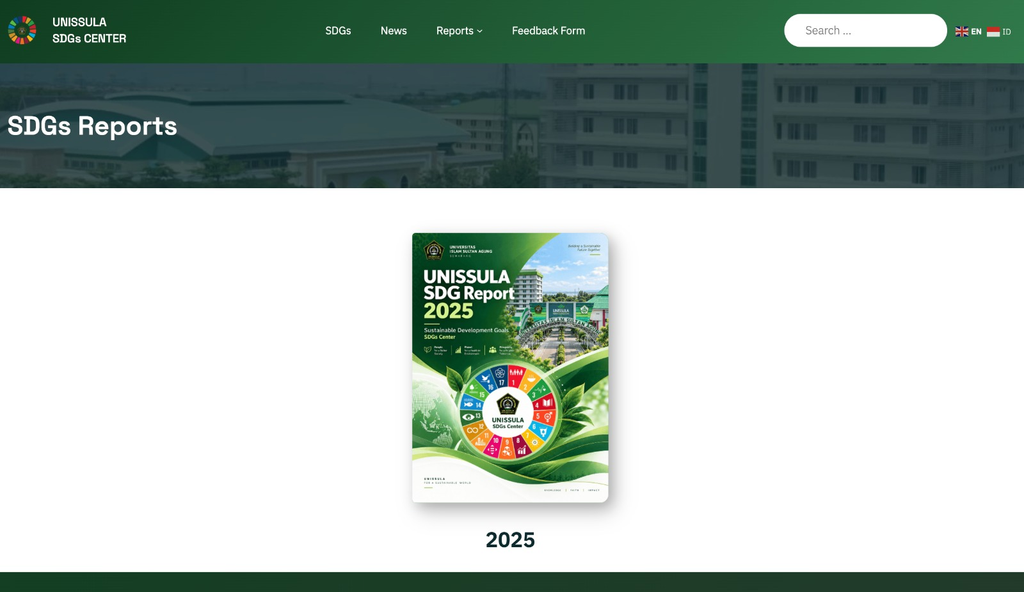
In 2025, Universitas Islam Sultan Agung (UNISSULA) documented its progress towards SDG 12 – Responsible Consumption and Production through responsible procurement, hazardous waste management, waste reduction, recycling, and institutional policies to minimise plastic and disposable items. The university recorded 78,410 kg of total waste, including 63,050 kg of food waste, and 1,082.7 kg of recycled waste, supported by monthly monitoring through its Waste Monitoring Dashboard. UNISSULA also strengthened waste minimisation requirements for outsourced service providers and suppliers. This report presents the university’s measurable achievements, institutional initiatives, and continuing priorities for improving resource efficiency and sustainable consumption during the 2025 reporting period.
Full SDG 12 Progress Report 2025
12.2.1
Ethical Sourcing Policy
12.2.1 Ethical Sourcing of Food and Supplies
Commitment to Responsible and Ethical Sourcing
Universitas Islam Sultan Agung (UNISSULA) is committed to responsible and ethical sourcing in the procurement of food, supplies, and services used across university operations.
The university seeks to ensure that procurement is conducted through identifiable and accountable supply channels, supports responsible use of institutional resources, strengthens transparency in purchasing, and contributes to sustainable consumption and production.
To support this commitment, UNISSULA implements a Close Loop System as an institutional framework for the procurement of goods and services.
Institutional Ethical Sourcing Policy
The implementation of responsible sourcing is formally supported through Rector Circular Letter No. 4493/J/SA/V/2025, issued on 14 May 2025.
The policy directs faculties, study programmes, bureaux, institutions, technical units, and other university units to procure relevant goods and services through designated providers within the Sultan Agung Waqf Foundation (YBW-SA) ecosystem.
The policy applies to a broad range of procurement categories, including food and catering, office supplies, operational services, travel services, medical equipment, and pharmaceutical products.
Close Loop System for Responsible Procurement
The Close Loop System provides UNISSULA with a structured approach to sourcing.
Rather than relying on fragmented purchasing arrangements, the university uses clearly identified institutional providers for defined categories of goods and services.
This system supports:
- supplier identification;
- procurement traceability;
- institutional accountability;
- consistent purchasing procedures;
- better coordination between university units and suppliers; and
- responsible management of institutional expenditure.
Through this framework, sourcing decisions can be more effectively monitored and documented.
Ethical Sourcing of Food
Food sourcing forms an important part of UNISSULA’s responsible procurement approach.
The institutional policy includes catering, snacks, supermarket services, and other food-related needs within the Close Loop System.
PT Generasi Sultan Agung serves as one of the designated providers for these services, including catering, snacks, and supermarket-related provision.
Using an identified procurement channel allows the university to maintain greater oversight over the origin, provision, and accountability of food supplied for university activities.
Responsible Food Procurement
UNISSULA seeks to ensure that food procurement is carried out through trusted and accountable sourcing arrangements.
The university’s approach supports:
- clear identification of food providers;
- consistent procurement procedures;
- traceability of transactions;
- oversight of food provision;
- responsible purchasing practices; and
- coordination between university units and food suppliers.
This framework complements UNISSULA’s broader commitment to sustainable food purchasing and responsible consumption.
Catering and Food Services
Catering and snack procurement for university activities is incorporated within the institutional sourcing system.
This provides a common procurement framework for events, meetings, academic activities, and other university programmes requiring food services.
The use of designated providers strengthens institutional oversight and helps maintain consistency in purchasing practices.
Ethical Sourcing Beyond Food
UNISSULA’s responsible sourcing policy extends beyond food procurement.
The Close Loop System covers a range of supplies and services needed for university operations.
This ensures that responsible sourcing is implemented as a university-wide procurement approach rather than being limited to a single category.
Office and Operational Supplies
For office and operational needs, the policy identifies PT Lumintu Agung Sejahtera (LAS) as a designated provider for areas including:
- printing;
- office stationery;
- air-conditioning procurement and services;
- construction-related services;
- outsourced personnel;
- parking;
- waste management; and
- other institutional operational needs.
These arrangements create clearer sourcing channels for supplies used throughout the university.
Health and Medical Supplies
Responsible sourcing also applies to health-related supplies.
The Close Loop System identifies PT SAFA (Sultan Agung Farmasi dan Alat Kesehatan) for the provision of:
- medical equipment;
- pharmaceutical products; and
- other health-related supplies.
Using an identified institutional provider strengthens accountability and traceability for products that directly relate to health and healthcare activities.
Travel and Hospitality Services
UNISSULA also applies its controlled sourcing approach to travel and hospitality.
PT Setia Amanah Ummat (SA Tour) provides services including:
- travel arrangements;
- ticket purchasing;
- hotel reservations;
- Umrah-related services; and
- guest hospitality.
Including these services within the same institutional sourcing framework helps strengthen consistency and accountability across university expenditure.
Supplier Identification and Accountability
A central principle of responsible sourcing is the ability to identify who supplies the university.
Through the Close Loop System, UNISSULA uses designated providers for defined procurement categories.
This supports a transparent procurement chain:
Identified supplier → Controlled procurement process → Documented transaction → Institutional accountability
Such an approach reduces reliance on unidentified or fragmented supply arrangements.
Procurement Traceability
Traceability is important for responsible institutional purchasing.
UNISSULA’s procurement framework enables university units to identify:
- the source of goods and services;
- the responsible provider;
- the category of procurement;
- the unit undertaking the transaction; and
- the institutional procurement channel used.
This strengthens oversight of university consumption and expenditure.
Supporting Responsible Supply Chains
The Close Loop System also helps strengthen coordinated supply chains within the Sultan Agung institutional ecosystem.
By sourcing through identifiable providers, UNISSULA can maintain closer relationships with suppliers and improve coordination regarding institutional needs.
This approach supports more stable and accountable supply arrangements.
Supporting Local Economic Circulation
Responsible sourcing can also contribute to local and institutional economic sustainability.
By strengthening procurement through providers operating within the YBW-SA ecosystem and surrounding economic networks, the university supports the circulation of expenditure within an identifiable institutional and local supply environment.
This can contribute to:
- stronger local economic activity;
- more stable supplier relationships;
- improved coordination;
- institutional economic resilience; and
- responsible consumption.
Responsible Use of University Resources
Ethical sourcing is closely connected to responsible use of financial and material resources.
A structured procurement system helps the university reduce unnecessary fragmentation of purchasing and improve coordination of demand.
This supports greater efficiency in institutional consumption.
University-Wide Application
The policy is intended for broad application across UNISSULA.
It addresses procurement undertaken by faculties, study programmes, bureaux, institutions, technical service units, administrative offices, and other university structures.
This institution-wide scope helps ensure that responsible sourcing becomes part of regular university operations.
Food and Supplies within a Common Procurement Framework
UNISSULA integrates both food and non-food sourcing within the same institutional procurement framework.
The system encompasses areas such as:
Food and catering + Office supplies + Operational services + Travel + Medical supplies
This integrated approach strengthens consistency and accountability across different forms of institutional consumption.
Responsible Consumption and Production
UNISSULA recognises that universities have a responsibility not only for what they consume, but also for how goods and services are sourced.
Responsible sourcing can help:
- improve supplier accountability;
- strengthen purchasing transparency;
- encourage responsible consumption;
- support efficient use of resources;
- improve traceability; and
- strengthen sustainable institutional operations.
These principles are aligned with SDG 12: Responsible Consumption and Production.
Sustainable Procurement Culture
UNISSULA seeks to develop a procurement culture in which purchasing decisions are increasingly guided by accountability, responsibility, transparency, and sustainability.
The Close Loop System provides an institutional mechanism through which these principles can be incorporated into daily procurement activities.
This includes both routine purchasing and larger operational requirements.
Evidence of Implementation
UNISSULA’s ethical and responsible sourcing approach is demonstrated through:
- Rector Circular Letter No. 4493/J/SA/V/2025 establishing the Close Loop System.
- Institution-wide implementation across university units.
- Controlled sourcing of food and catering services.
- Identified procurement channels for snacks and supermarket-related supplies.
- Designated sourcing arrangements for office stationery and printing.
- Controlled procurement of operational and maintenance services.
- Identified providers for travel and hospitality.
- Controlled sourcing of pharmaceutical products and medical equipment.
- Improved supplier identification and traceability.
- Integration of food and non-food procurement within a common institutional framework.
- Strengthened accountability for institutional purchasing.
- Support for responsible and sustainable consumption practices.
12.2.3
Policy Waste Disposal – Hazardous Materials
12.2.3 Hazardous Waste Management and Disposal
Commitment to Safe and Responsible Waste Management
Universitas Islam Sultan Agung (UNISSULA) is committed to managing waste in a safe, responsible, and environmentally sound manner.
The university recognises that certain types of waste require special handling because they may pose risks to human health and the environment. For this reason, UNISSULA applies specific requirements for the management and disposal of hazardous waste generated through academic, laboratory, healthcare, administrative, and operational activities.
Institutional Framework
UNISSULA formalised its hazardous waste management requirements through Circular Letter No. 8409/J/SA/IX/2025, dated 10 September 2025.
The circular applies across faculties, RSIGM, bureaux, institutions, technical units, administrative units, and other relevant parts of the university.
The policy was established to support a university environment that is safe, responsible, and sustainable while preventing adverse impacts of waste on human health and the environment.
Scope of Hazardous Waste
UNISSULA requires the safe and responsible management of hazardous waste, including:
- Hazardous and toxic waste (B3);
- Medical waste;
- Infectious waste;
- Chemical waste;
- Pharmaceutical waste;
- Sharps; and
- Laboratory waste.
These categories are explicitly included in the university’s waste management requirements.
Waste Segregation
Each unit that generates hazardous waste is required to separate hazardous waste from ordinary domestic waste.
Segregation ensures that hazardous materials receive appropriate handling from the point of generation until treatment and final disposal.
Hazardous waste must not be mixed with general waste.
Labelling and Identification
Hazardous waste must be properly identified and labelled according to its type and characteristics.
Clear identification helps reduce the risk of accidental exposure, inappropriate mixing, and improper disposal.
Safe Storage
Hazardous waste must be stored appropriately before further handling, transportation, treatment, or transfer.
Temporary storage is carried out in a manner that supports safety and helps prevent leakage, contamination, or uncontrolled release.
Collection and Transport
Units that generate hazardous waste are responsible for ensuring that waste is collected, transported, and transferred according to its type and applicable requirements.
The university requires hazardous waste generators to undertake:
- Segregation;
- Labelling;
- Storage;
- Transportation; and
- Transfer of waste according to its characteristics.
Prohibition of Improper Disposal
UNISSULA prohibits hazardous waste from being mixed with domestic waste or disposed of directly into the environment.
This requirement helps prevent contamination and supports safe and responsible waste management.
Medical and Infectious Waste
Medical and infectious waste is included within the university’s hazardous waste management framework.
These waste streams require separate handling because of their potential health risks and are managed through appropriate treatment channels.
Pharmaceutical Waste
Pharmaceutical waste is also covered within the university’s hazardous waste management requirements.
Such waste is handled separately and directed through appropriate disposal mechanisms to prevent uncontrolled release into the environment.
Chemical and Laboratory Waste
Chemical and laboratory waste is explicitly included within the university’s hazardous waste management system.
These waste types may arise from teaching, research, testing, clinical, or laboratory activities and therefore require appropriate segregation, storage, treatment, and disposal.
Sharps Management
Sharps are specifically identified as hazardous waste.
Items such as needles and other sharp materials require separate handling because they may cause injury or exposure to biological hazards.
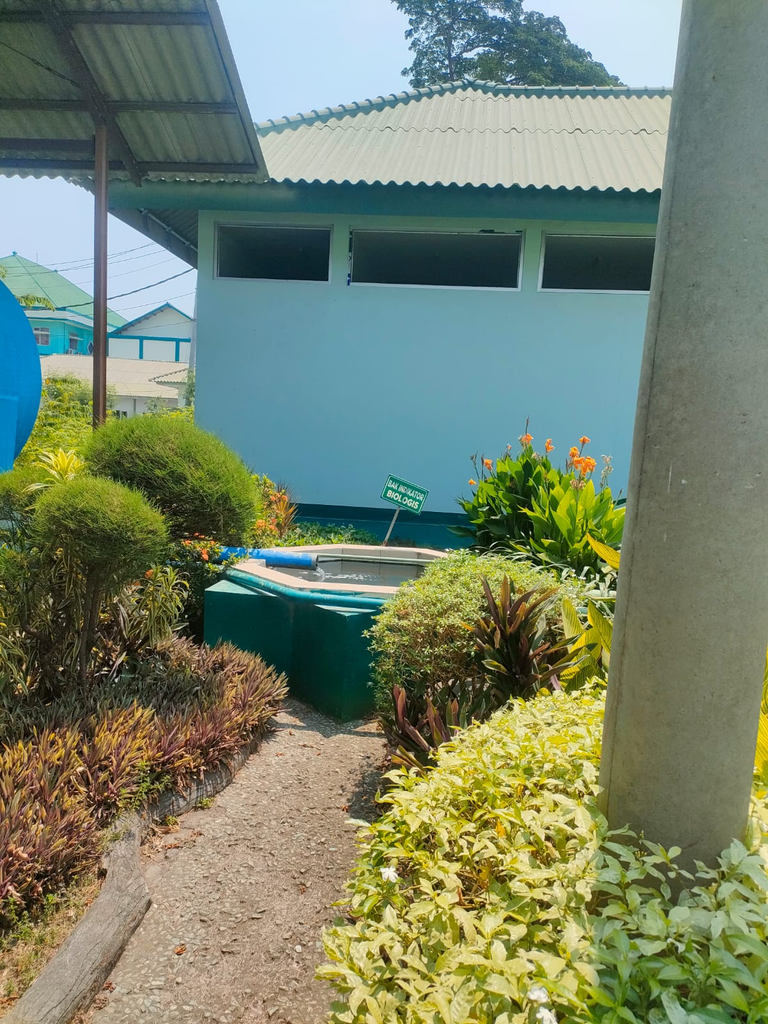
Internal Wastewater Treatment Facilities
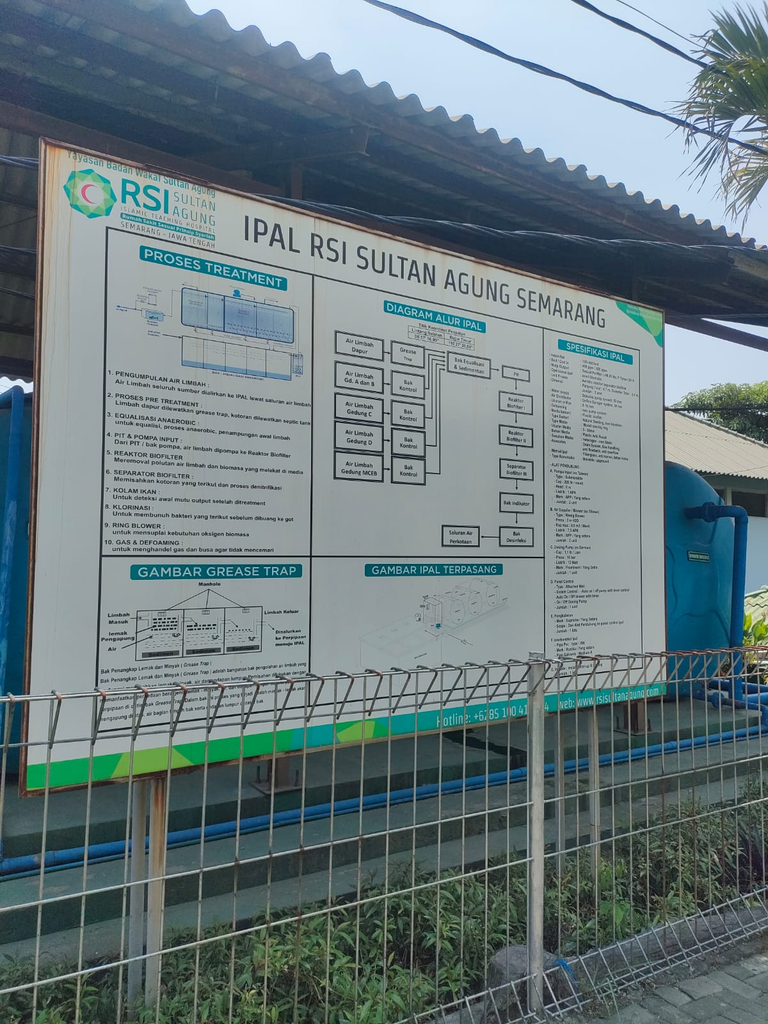
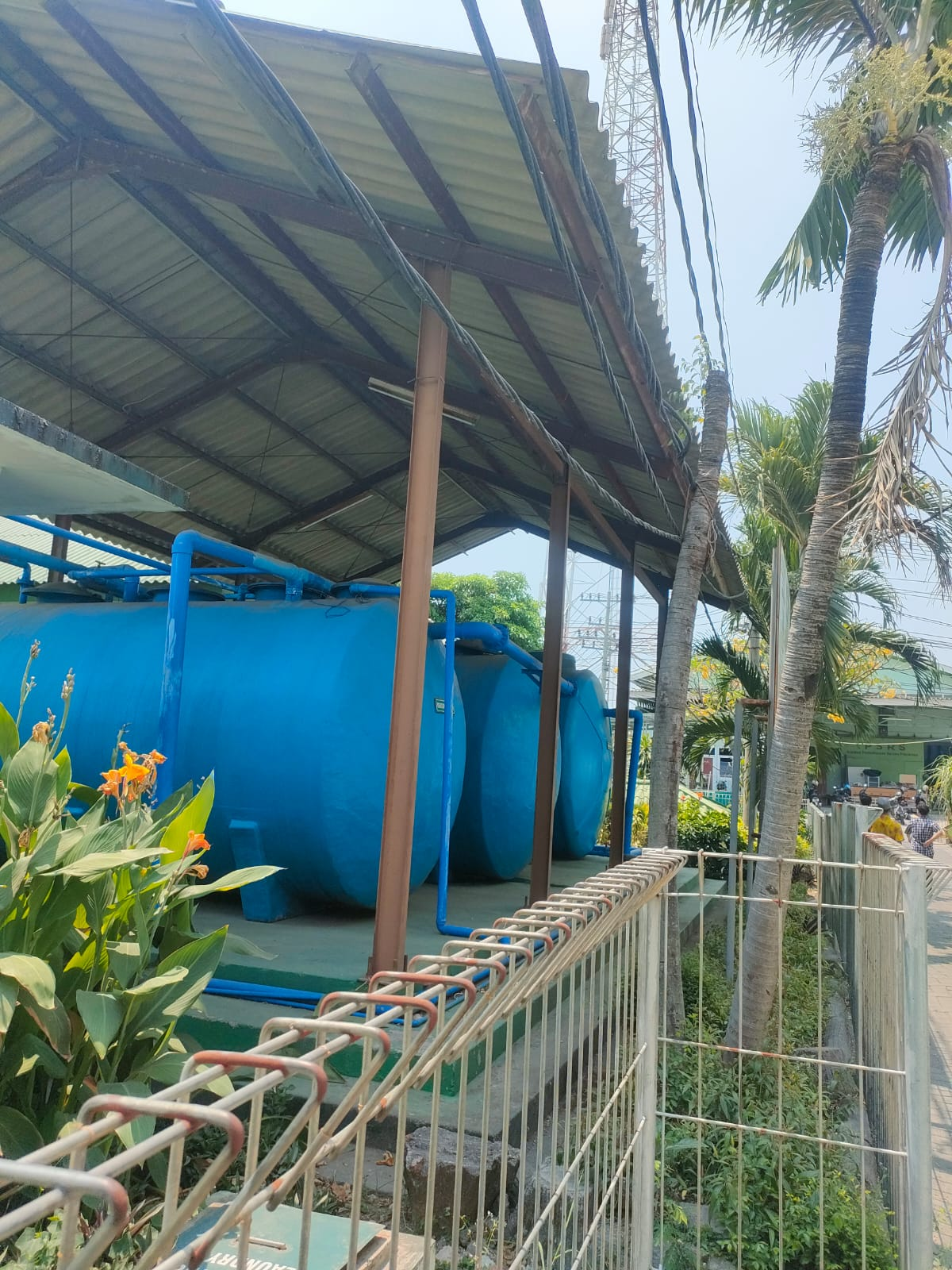
UNISSULA and its affiliated healthcare facilities operate Wastewater Treatment Plants (IPAL – Instalasi Pengolahan Air Limbah) as part of their environmental management systems.
These facilities support the treatment of wastewater generated from healthcare and operational activities before discharge.
The presence of internal wastewater treatment facilities demonstrates that waste management at UNISSULA is supported not only by administrative procedures but also by dedicated treatment infrastructure.
Wastewater Treatment at RSIGM Sultan Agung
RSIGM Sultan Agung operates an Instalasi Pengolahan Air Limbah (IPAL) to manage wastewater generated from its healthcare activities.
The facility supports controlled treatment before wastewater is discharged, helping reduce potential impacts on human health and the surrounding environment.
Wastewater Treatment at RSI Sultan Agung
RSI Sultan Agung Semarang also operates an IPAL facility with a structured treatment process.
The treatment system includes stages such as wastewater collection, pre-treatment, equalisation, biological treatment, filtration or separation, disinfection, and final discharge.
This infrastructure supports responsible wastewater management within the broader UNISSULA institutional environment.
Internal Treatment and Authorised Waste Management
Hazardous waste treatment and final disposal are carried out through authorised units or treatment facilities, including available internal treatment facilities, and/or licensed waste management providers.
This combined approach allows UNISSULA to manage different waste streams according to their characteristics and treatment requirements.
Wastewater that can be treated through internal IPAL facilities is managed within the available treatment system, while waste requiring specialised external handling may be transferred to authorised or licensed waste management providers.
Final Treatment and Disposal
The treatment and final disposal of hazardous waste are conducted through appropriate and authorised mechanisms.
This includes the use of internal treatment infrastructure where applicable and external licensed waste management providers where specialised treatment is required.
This approach is consistent with the university’s requirement that final treatment and disposal be undertaken through authorised units and/or licensed waste managers.
Documentation and Record Keeping
Hazardous waste management is supported by documentation and record keeping.
Relevant units are required to maintain records as part of monitoring, supervision, and accountability.
Documentation supports traceability throughout the waste management process.
Responsibility of Waste-Generating Units
Each unit that generates hazardous waste has responsibility for ensuring that waste is managed appropriately.
This includes faculties, laboratories, healthcare facilities, administrative units, and other operational units.
Responsibility begins at the point where waste is generated and continues until it is transferred to an appropriate treatment or disposal pathway.
Health and Environmental Protection
The hazardous waste management framework is designed to protect:
- Students;
- Academic staff;
- Administrative staff;
- Healthcare workers;
- Laboratory personnel;
- Waste handlers;
- Visitors; and
- The surrounding environment.
Proper waste management reduces the risk of exposure, contamination, injury, and environmental pollution.
Prevention of Environmental Contamination
UNISSULA’s approach places strong emphasis on preventing hazardous waste from entering uncontrolled waste streams or the natural environment.
By requiring segregation, safe storage, controlled transport, internal treatment where appropriate, and authorised disposal, the university reduces the possibility of hazardous materials contaminating soil, water, drainage systems, or surrounding areas.
Safe Campus Operations
Hazardous waste management forms part of UNISSULA’s broader commitment to safe campus operations.
A safe university environment requires both appropriate administrative controls and adequate physical infrastructure for handling and treating potentially hazardous waste.
Monitoring and Accountability
Monitoring and documentation support:
- Internal oversight;
- Traceability;
- Accountability;
- Responsible transfer;
- Compliance with procedures; and
- Continuous improvement.
These measures help ensure that hazardous waste management is implemented as an institutional responsibility.
Responsible Consumption and Production
Hazardous waste management contributes to responsible consumption and production by ensuring that waste generated from university activities is treated and disposed of appropriately.
The university seeks to minimise environmental and health impacts associated with waste generation and disposal.
This approach supports SDG 12: Responsible Consumption and Production.
Evidence of Implementation
UNISSULA’s hazardous waste management and disposal framework is demonstrated through:
- Circular Letter No. 8409/J/SA/IX/2025.
- Institution-wide application of hazardous waste management requirements.
- Explicit coverage of B3 waste.
- Coverage of medical and infectious waste.
- Coverage of chemical and pharmaceutical waste.
- Coverage of sharps and laboratory waste.
- Mandatory waste segregation.
- Labelling and identification requirements.
- Temporary storage requirements.
- Controlled transportation and transfer.
- Prohibition on mixing hazardous waste with domestic waste.
- Prohibition on direct disposal into the environment.
- Operation of internal wastewater treatment facilities (IPAL).
- Wastewater treatment facilities at RSIGM Sultan Agung and RSI Sultan Agung Semarang.
- Final treatment through authorised internal facilities and/or licensed waste management providers.
- Documentation and record keeping for monitoring and accountability.
12.2.4
Policy Waste Disposal – Landfill Policy
12.2.4 Waste Measurement, Landfill Reduction, and Recycling
Commitment to Measurable and Responsible Waste Management
Universitas Islam Sultan Agung (UNISSULA) is committed to managing waste in a measurable, responsible, and sustainable manner.
The university recognises that effective waste management requires not only waste collection and disposal, but also systematic measurement of how much waste is generated, how much is sent to final disposal facilities, and how much is recovered through recycling.
Through this approach, UNISSULA seeks to strengthen waste accountability, reduce the amount of waste sent to landfill, and increase recycling activities across the university.
Institutional Waste Measurement Policy
UNISSULA formalised this commitment through Circular Letter No. 8410/J/SA/IX/2025, dated 10 September 2025.
The circular applies to faculties, RSIGM, bureaux, institutions, technical units, administrative units, and other relevant parts of the university.
The policy establishes a university-wide approach to waste segregation, recording, measurement, reduction, and recycling.
Measuring Waste Generation
Every university unit is required to carry out:
- Waste segregation;
- Waste recording; and
- Measurement of waste generated.
This requirement provides a foundation for understanding the university’s waste streams and supporting evidence-based waste management decisions.
Measuring Waste Sent to Final Disposal
UNISSULA requires the amount of waste sent to the final processing or disposal facility (TPA) to be measured, recorded, and periodically reported.
This allows the university to monitor the volume or quantity of waste that leaves the campus for final disposal.
The measurement of waste sent to TPA provides an important baseline for evaluating waste reduction efforts.
Measuring Recycled Waste
In addition to final disposal, the university also requires the amount of waste that is recycled to be measured, recorded, and periodically reported.
By separating recycling data from final-disposal data, UNISSULA can monitor how much waste is diverted from landfill through recycling activities.
Waste Segregation as the Basis for Measurement
Waste segregation is an important first step in reliable waste measurement.
By separating different waste streams, university units are better able to identify:
- Recyclable waste;
- Residual waste;
- Organic waste;
- Other recoverable materials; and
- Waste requiring final disposal.
This supports more accurate recording and improves opportunities for recycling.
Recording and Data Collection
Waste management data is collected through the relevant university units.
The recording process supports a clearer understanding of:
- Waste generated;
- Waste sent to TPA;
- Waste recycled; and
- Changes in waste-management performance over time.
Regular data collection also strengthens institutional accountability.
Periodic Reporting
The university requires waste data to be reported periodically.
Periodic reporting ensures that waste management is treated as an ongoing institutional responsibility rather than as a one-time activity.
The information can be used to identify trends, evaluate progress, and determine where further improvements are needed.
Centralised Data Recapitulation
The university’s environmental management unit is responsible for compiling and evaluating waste-management data.
The circular requires the relevant environmental unit to undertake recapitulation and evaluation of waste data.
This creates a central institutional mechanism for monitoring waste performance across multiple units.
Evaluation of Waste Management Performance
Waste measurement provides UNISSULA with information that can be used to evaluate waste-management practices.
The data supports assessment of whether:
- Waste generation is increasing or decreasing;
- More waste is being recycled;
- Less waste is being sent to final disposal;
- Waste segregation is functioning effectively; and
- Additional waste-reduction measures are needed.
This enables waste management to become increasingly data-driven.
Reducing Waste Sent to Landfill
One of the objectives of the university’s waste-management approach is to reduce the amount of waste sent to TPA.
The circular explicitly establishes waste-data evaluation as a basis for reducing waste disposed of at final processing facilities.
Measurement is therefore directly connected to waste-reduction action.
Increasing Recycling Activities
UNISSULA also uses waste-management data as a basis for strengthening recycling activities.
By tracking the amount of waste recycled, the university can evaluate the effectiveness of recycling programmes and identify opportunities to increase material recovery.
This supports a transition from simple waste disposal toward more circular use of resources.
Waste Diversion
The university’s measurement framework supports waste diversion by distinguishing between waste that is:
- Sent to final disposal; and
- Recycled or recovered.
This distinction is essential for evaluating the effectiveness of waste-reduction and recycling efforts.
Supporting Circular Resource Use
Recycling allows materials that would otherwise become waste to return to productive use.
Through waste segregation, measurement, and recycling, UNISSULA supports more circular resource flows within its operations.
This approach helps reduce dependence on final disposal and promotes more efficient use of materials.
Institutional Accountability
A measurable waste-management system strengthens institutional accountability.
Each unit has responsibility for recording and measuring the waste it generates, while the environmental management function consolidates and evaluates the information.
This creates a structured process:
Waste generation → Segregation → Measurement → Recording → Reporting → Evaluation → Reduction and recycling
Data-Based Waste Management
UNISSULA’s approach emphasises the importance of data in environmental management.
Waste data provides a basis for:
- Operational planning;
- Monitoring;
- Evaluation;
- Waste-reduction programmes;
- Recycling initiatives; and
- Continuous improvement.
This helps ensure that waste-management decisions are supported by measurable information.
Responsibilities of University Units
Every university unit contributes to the implementation of the waste-management system.
Responsibilities include:
- Separating waste appropriately;
- Maintaining records;
- Measuring waste generated;
- Reporting relevant waste data; and
- Supporting recycling and waste-reduction programmes.
Institution-wide participation is important for producing reliable waste data.
Continuous Improvement
The university uses waste-management information to support continuous improvement.
Periodic evaluation enables UNISSULA to identify areas where waste can be reduced, materials can be recovered, and recycling practices can be expanded.
This creates a cycle of:
Measurement → Evaluation → Improvement
Environmental Benefits
Reducing waste sent to landfill and increasing recycling can provide several environmental benefits, including:
- Reduced pressure on final disposal facilities;
- Improved resource efficiency;
- Greater material recovery;
- Reduced unnecessary disposal;
- Improved campus environmental management; and
- Stronger awareness of responsible consumption.
Responsible Consumption and Production
The measurement of landfill and recycling waste forms part of UNISSULA’s broader commitment to SDG 12: Responsible Consumption and Production.
Responsible production and consumption require institutions to understand their waste streams and actively reduce unnecessary disposal.
Through systematic measurement, recording, reporting, and evaluation, UNISSULA strengthens the sustainability of its waste-management practices.
Evidence of Implementation
UNISSULA’s waste measurement and recycling framework is demonstrated through:
- Circular Letter No. 8410/J/SA/IX/2025.
- Institution-wide application of waste-management requirements.
- Mandatory waste segregation.
- Recording of waste generation.
- Measurement of waste generated by university units.
- Measurement of waste sent to TPA.
- Measurement of waste that is recycled.
- Periodic recording and reporting of landfill and recycling data.
- Centralised recapitulation of waste-management data.
- Evaluation of waste performance.
- Use of data as a basis for reducing waste sent to final disposal.
- Use of data to support increased recycling activities.
12.2.5
Policy for minimisation of plastic use
12.2.5 Plastic Use Minimisation
Commitment to Reducing Plastic Use
Universitas Islam Sultan Agung (UNISSULA) is committed to reducing the use of plastic across university operations and activities as part of its broader environmental sustainability efforts.
The university recognises that reducing unnecessary plastic consumption, especially single-use plastic, is an important step toward responsible resource use, waste reduction, and more sustainable campus practices.
Institutional Policy
UNISSULA formalised its plastic reduction commitment through Circular Letter No. 8411/J/SA/IX/2025, dated 10 September 2025.
The circular applies across faculties, RSIGM, bureaux, institutions, technical units, administrative units, and other relevant parts of the university.
The policy was established to reduce plastic use and support more sustainable environmental management across UNISSULA.
Reduction of Plastic Use Across University Activities
UNISSULA requires all university units to reduce plastic use, particularly single-use plastic, in activities including:
- Academic activities;
- Administrative activities;
- Meetings;
- Seminars;
- Student activities; and
- University services.
This broad scope helps ensure that plastic reduction is integrated into everyday university operations.
Focus on Single-Use Plastic
Single-use plastic is a major focus of the university’s reduction efforts.
These items are generally used only once before disposal and can contribute significantly to waste generation.
By reducing the provision and use of single-use plastic, UNISSULA seeks to limit unnecessary waste and encourage more sustainable consumption habits.
Reusable Alternatives
The university encourages the use of reusable items and more environmentally responsible alternatives.
Examples include:
- Reusable food containers;
- Reusable drinking containers;
- Refillable bottles;
- Reusable bags; and
- Non-plastic packaging.
This approach supports a gradual shift from disposable consumption toward repeated use and resource efficiency.
Refillable Drinking Bottles
Refillable drinking bottles are encouraged as an alternative to disposable plastic bottles.
The use of refillable containers can help reduce the number of single-use plastic bottles generated during meetings, seminars, academic activities, and daily campus life.
Reusable Food and Drink Containers
UNISSULA also encourages the use of reusable food and drink containers.
This supports the reduction of disposable cups, plastic food containers, and other single-use packaging associated with university activities.
Reusable Bags
Reusable bags are promoted as an alternative to single-use plastic bags.
Using durable bags repeatedly reduces demand for disposable plastic and contributes to more responsible consumption practices.
Non-Plastic Packaging
Where practical alternatives are available, university units are encouraged to choose non-plastic packaging.
This can reduce dependence on plastic materials and support procurement decisions that generate less plastic waste.
Sustainable Procurement
Plastic reduction is also incorporated into university procurement practices.
UNISSULA directs the procurement of goods and consumption for university activities to prioritise products that use as little plastic as possible.
This extends plastic reduction beyond individual behaviour and into institutional purchasing decisions.
Minimising Plastic in University Events
Meetings, seminars, workshops, ceremonies, student activities, and other university events can generate significant amounts of single-use plastic.
The university therefore encourages organisers to minimise plastic use when planning food, beverages, packaging, and other event-related supplies.
This may include greater use of reusable containers and alternative packaging.
Reducing Plastic in Food and Beverage Services
Food and beverage provision is an important area for plastic reduction.
University units are encouraged to avoid unnecessary use of disposable plastic packaging, cups, bottles, bags, and utensils where suitable alternatives are available.
This complements UNISSULA’s wider sustainable food and responsible procurement practices.
Plastic Reduction in Administrative Activities
Plastic reduction also applies to administrative and office operations.
Units are encouraged to consider reusable or lower-plastic alternatives when purchasing supplies and organising internal activities.
This helps integrate plastic minimisation into routine operational decisions.
Plastic Reduction in Student Activities
Student activities are included within the university-wide plastic reduction framework.
Student organisations and activity organisers are therefore encouraged to minimise single-use plastic and make greater use of reusable or more sustainable alternatives.
This helps extend environmental awareness throughout the campus community.
Procurement with Minimal Plastic
When purchasing goods for university activities, units are directed to prioritise products that use minimal plastic.
This may include selecting products with:
- Reduced plastic packaging;
- Reusable packaging;
- Refillable formats;
- Non-plastic alternatives; or
- Packaging designed for longer use.
The objective is to reduce plastic at the point of procurement rather than only managing it after it becomes waste.
Avoiding Single-Use Plastic Where Alternatives Exist
The university’s policy explicitly directs units to avoid providing single-use plastic when more sustainable alternatives are available.
This principle is important because waste prevention begins with reducing unnecessary material consumption.
Responsible Consumption
Plastic minimisation is part of UNISSULA’s broader approach to responsible consumption.
The university seeks to encourage the campus community to consider:
- Whether plastic is necessary;
- Whether an item can be reused;
- Whether a refillable option is available;
- Whether non-plastic packaging can be used; and
- Whether procurement can be made with less material.
These considerations help reduce unnecessary waste.
Waste Prevention
Reducing plastic use at source is one of the most effective ways to prevent plastic waste.
By focusing on consumption and procurement, UNISSULA seeks to prevent waste before it is generated.
This complements the university’s waste segregation, measurement, recycling, and disposal practices.
Supporting Resource Efficiency
Reusable products generally remain in use longer than disposable products.
Encouraging their use therefore supports greater resource efficiency and reduces repeated consumption of single-use materials.
This contributes to more sustainable university operations.
Campus Environmental Awareness
The implementation of plastic reduction also contributes to building environmental awareness among:
- Students;
- Academic staff;
- Administrative staff;
- University leaders;
- Student organisations; and
- Service providers.
Consistent institutional practices can help reinforce sustainable habits throughout the university community.
Relationship with Waste Reduction
Plastic use minimisation is closely connected with waste reduction.
Reducing plastic at the source can result in:
Less plastic purchased → Less single-use plastic consumed → Less plastic waste generated → Reduced disposal burden
This strengthens the university’s overall waste-management strategy.
Responsible Consumption and Production
UNISSULA’s plastic reduction approach contributes to SDG 12: Responsible Consumption and Production.
Reducing unnecessary plastic use, promoting reusable alternatives, and incorporating plastic minimisation into procurement help create more sustainable consumption patterns within the university.
Evidence of Implementation
UNISSULA’s plastic use minimisation framework is demonstrated through:
- Circular Letter No. 8411/J/SA/IX/2025.
- Institution-wide requirements to reduce plastic use.
- Explicit emphasis on reducing single-use plastic.
- Application to academic activities.
- Application to administrative activities.
- Application to meetings and seminars.
- Application to student activities.
- Application to university services.
- Encouragement of reusable food and drink containers.
- Promotion of refillable bottles.
- Promotion of reusable bags.
- Encouragement of non-plastic packaging.
- Procurement practices that prioritise minimal plastic use.
- Avoidance of single-use plastic where more sustainable alternatives are available.
12.2.6
Policy For Minimisation Of Disposable Items
12.2.6 Minimisation of Disposable Items
Commitment to Reducing Disposable Items
Universitas Islam Sultan Agung (UNISSULA) is committed to reducing the use of disposable items across university activities and operations.
The university recognises that items designed for single or short-term use can contribute significantly to waste generation. For this reason, UNISSULA promotes the use of reusable alternatives and encourages procurement practices that reduce unnecessary disposable consumption.
Institutional Policy
UNISSULA formalised this commitment through Circular Letter No. 8412/J/SA/IX/2025, dated 10 September 2025.
The circular applies across faculties, RSIGM, bureaux, institutions, technical units, administrative units, and other relevant parts of the university.
The policy was established to reduce waste generation and encourage the sustainable use of reusable items throughout university activities.
Reduction of Disposable Items Across University Activities
UNISSULA requires all university units to reduce the use of disposable items in:
- Academic activities;
- Administrative activities;
- Meetings;
- Seminars;
- Student activities; and
- University services.
This broad scope helps ensure that disposable-item reduction becomes part of regular university operations.
Preference for Reusable Items
The university encourages the use of items that can be used repeatedly as alternatives to disposable products.
Examples include:
- Reusable food containers;
- Reusable drinking containers;
- Reusable cutlery;
- Refillable bottles;
- Reusable cups;
- Reusable bags; and
- Other reusable activity equipment.
This approach supports a gradual shift from single-use consumption toward longer-lasting products.
Reusable Food and Drink Containers
Food and beverage activities can generate significant amounts of disposable waste.
UNISSULA therefore encourages the use of reusable containers for food and drinks in meetings, seminars, student activities, academic events, and other university programmes.
This helps reduce dependence on disposable packaging and serving items.
Reusable Cutlery
Reusable cutlery is encouraged as an alternative to disposable spoons, forks, knives, and other single-use eating utensils.
Repeated use can reduce the volume of waste generated from university events and food-service activities.
Refillable Bottles and Reusable Cups
The use of refillable bottles and reusable cups is encouraged throughout the university.
These alternatives help reduce the repeated disposal of drink containers and support more responsible daily consumption habits among students and staff.
Reusable Bags
UNISSULA also promotes reusable bags as alternatives to disposable bags.
Reusable bags can be used repeatedly for university activities, procurement, distribution of materials, and other operational purposes.
Minimisation in University Events
Meetings, seminars, workshops, ceremonies, student activities, and other events can generate large quantities of disposable items.
University units are therefore encouraged to plan activities in ways that minimise the use of single-use products.
This includes considering reusable alternatives when preparing:
- Food and beverage services;
- Participant supplies;
- Event materials;
- Bags;
- Containers; and
- Other activity equipment.
Minimisation in Administrative Operations
The policy also applies to administrative activities.
University units are encouraged to avoid unnecessary disposable products in routine office operations and to choose reusable or longer-lasting alternatives where practical.
This integrates waste prevention into everyday administrative practices.
Minimisation in Academic Activities
Academic activities are also included within the university’s disposable-item reduction framework.
Faculties and academic units are encouraged to minimise disposable materials during lectures, practical activities, workshops, conferences, and other academic programmes where reusable alternatives are available.
Minimisation in Student Activities
Student activities form part of the institutional policy.
Student organisations and activity organisers are encouraged to reduce disposable-item use and consider reusable options when preparing events and programmes.
This extends responsible consumption practices across the wider campus community.
Sustainable Procurement
UNISSULA incorporates disposable-item minimisation into procurement decisions.
The university directs procurement and consumption activities to prioritise products that:
- Can be reused;
- Have a longer useful life;
- Produce less waste; or
- Provide more sustainable alternatives to disposable products.
This means that waste prevention begins before products enter the university’s waste stream.
Avoiding Disposable Items Where Alternatives Exist
The university encourages units to avoid disposable products where more sustainable alternatives are available.
This principle supports a practical hierarchy:
Avoid disposable items → Use reusable alternatives → Reduce waste generation
Such an approach places prevention ahead of disposal.
Waste Prevention at Source
Reducing disposable items is an important form of waste prevention.
Instead of focusing only on managing waste after it has been generated, UNISSULA seeks to reduce the amount of waste created in the first place.
This contributes to more efficient resource use and lower disposal demand.
Resource Efficiency
Reusable items generally remain in circulation longer than disposable products.
Encouraging their use therefore supports more efficient use of materials and reduces repeated consumption.
This is especially relevant for frequently used items such as food containers, cups, bottles, cutlery, and bags.
Responsible Procurement and Consumption
The reduction of disposable items is integrated with responsible procurement.
University units are encouraged to consider the expected waste impact of products before purchasing them.
Procurement decisions can therefore take into account:
- Reusability;
- Product lifespan;
- Amount of waste generated;
- Availability of alternatives; and
- Opportunities for repeated use.
Relationship with Plastic Reduction
The minimisation of disposable items complements UNISSULA’s separate efforts to reduce plastic use.
While plastic reduction focuses specifically on plastic materials, disposable-item minimisation has a broader scope and applies to single-use products regardless of material.
This can include disposable products made from:
- Plastic;
- Paper;
- Composite materials;
- Aluminium;
- Foam; or
- Other materials intended for short-term use.
Relationship with Waste Reduction
Reducing disposable products directly supports the university’s wider waste-management strategy.
The relationship can be expressed as:
Fewer disposable items purchased → Fewer items discarded → Lower waste generation → Reduced disposal burden
This helps strengthen overall waste-reduction performance.
Supporting a Reuse Culture
UNISSULA seeks to develop a campus culture in which reuse becomes the preferred option where practical.
A reuse-oriented culture encourages students, staff, academic units, and service providers to consider whether an item can be used repeatedly before choosing a disposable alternative.
This supports more sustainable day-to-day behaviour.
Environmental Awareness
The policy also contributes to environmental awareness across the university community.
Reducing reliance on disposable products can encourage individuals to become more conscious of:
- Material consumption;
- Waste generation;
- Resource efficiency; and
- Environmental impacts.
Institutional policy provides a common framework for supporting these behaviours.
Continuous Improvement
Disposable-item minimisation is an ongoing process.
University units can progressively identify additional products that can be replaced by reusable or lower-waste alternatives.
This enables continuous improvement in campus resource efficiency and waste prevention.
Responsible Consumption and Production
UNISSULA’s disposable-item reduction approach contributes to SDG 12: Responsible Consumption and Production.
By reducing unnecessary single-use products, promoting reusable alternatives, and integrating waste prevention into procurement, the university supports more sustainable consumption patterns.
Evidence of Implementation
UNISSULA’s policy for minimising disposable items is demonstrated through:
- Circular Letter No. 8412/J/SA/IX/2025.
- Institution-wide requirements to reduce disposable-item use.
12.2.7
Disposable Policy: Extensions To Services
12.2.7 Extension of Waste Minimisation Policies to Outsourced Services
Extending Sustainability Requirements Beyond Internal Operations
Universitas Islam Sultan Agung (UNISSULA) extends its waste minimisation commitments beyond activities managed directly by university units.
The university’s policies on reducing plastic use and minimising disposable items also apply to outsourced services and third parties operating within the university environment.
This approach helps ensure that sustainability principles are applied consistently not only by students and staff, but also by external service providers working on campus.
Institutional Policy Framework
UNISSULA has established formal requirements for reducing plastic use and minimising disposable items through:
- Circular Letter No. 8411/J/SA/IX/2025 on plastic use reduction; and
- Circular Letter No. 8412/J/SA/IX/2025 on disposable-item minimisation.
Both policies apply across university operations and explicitly extend their requirements to outsourced service providers and third parties working within UNISSULA.
The plastic reduction policy states that its provisions also apply to outsourced service providers and third parties delivering services within the university.
The disposable-item minimisation policy contains the same extension for providers of outsourced services and third parties operating within the university environment.
Application to Outsourced Services
Outsourced services form an important part of university operations.
These may include services such as:
- Catering;
- Canteen operations;
- Cleaning;
- Security;
- Event support;
- Maintenance; and
- Other contracted campus services.
By extending waste minimisation requirements to these providers, UNISSULA ensures that external services are expected to support the same sustainability objectives applied internally.
Plastic Reduction in Outsourced Services
UNISSULA’s plastic minimisation policy requires outsourced providers to support efforts to reduce plastic use, particularly single-use plastic.
This means that services delivered within the university environment are expected to avoid unnecessary plastic use and to consider reusable or more sustainable alternatives where available.
The policy strengthens consistency between internal university activities and externally provided services.
Disposable-Item Minimisation in Outsourced Services
The university’s disposable-item reduction policy also applies to outsourced services.
Service providers are therefore expected to reduce reliance on single-use or short-life products where reusable alternatives are available.
This supports lower waste generation from contracted services and helps embed waste prevention into everyday campus operations.
Catering and Canteen Services
Catering and food-service activities are particularly relevant because they can generate significant amounts of disposable packaging and single-use items.
UNISSULA’s extended policies support the reduction of items such as:
- Disposable food containers;
- Single-use cups;
- Disposable cutlery;
- Plastic bags;
- Single-use bottles; and
- Unnecessary packaging.
Where practical, catering and canteen providers are encouraged to use reusable or lower-waste alternatives.
Cleaning Services
Cleaning services are also expected to support the university’s waste minimisation approach.
This may include reducing unnecessary disposable materials, considering reusable equipment where appropriate, and supporting responsible handling of waste generated through cleaning activities.
Security and Other Contracted Services
The policy extension also applies to other contracted services operating on campus, including security and operational support services.
The intention is to ensure that external providers working within the university environment contribute to the same sustainability principles expected of university units.
Consistency Across University Operations
Extending waste minimisation requirements to outsourced services helps prevent a situation where sustainability standards apply only to internal departments while externally provided services continue to generate avoidable waste.
UNISSULA therefore seeks to maintain a consistent approach:
Internal university units + Outsourced service providers + Third parties = Shared sustainability responsibilities
Responsible Procurement and Service Delivery
The extension of these policies also strengthens responsible procurement.
When services are outsourced, sustainability expectations can be incorporated into service arrangements, procurement requirements, operational instructions, and evaluation processes.
This helps ensure that waste minimisation is considered not only during internal activities but also when services are delivered by external parties.
Supporting Reusable Alternatives
Outsourced providers are encouraged to support the use of reusable products wherever practical.
Examples may include:
- Reusable food and drink containers;
- Refillable bottles;
- Reusable cups;
- Reusable bags;
- Reusable service equipment; and
- Lower-waste alternatives.
This supports waste prevention at the source.
Reducing Waste from Contracted Activities
Outsourced services can contribute significantly to campus waste generation.
By extending plastic and disposable-item reduction requirements to external providers, UNISSULA aims to reduce waste associated with:
- Food services;
- Cleaning activities;
- Events;
- Contracted operations; and
- Service delivery.
This contributes to lower overall waste generation across the university.
Shared Responsibility
Sustainable campus operations require participation from both internal and external stakeholders.
UNISSULA therefore treats outsourced providers and third parties as part of the wider university sustainability ecosystem.
The extension of waste minimisation policies creates shared responsibility for:
- Reducing plastic use;
- Reducing disposable items;
- Promoting reusable alternatives;
- Preventing unnecessary waste; and
- Supporting responsible consumption.
Monitoring and Implementation
Relevant university units can support implementation by communicating sustainability requirements to contracted service providers and monitoring their application in campus activities.
This creates a stronger connection between institutional policy and practical service delivery.
Integration with Waste Reduction Policies
The extension to outsourced services complements UNISSULA’s wider waste-management framework.
The university’s approach links:
- Plastic minimisation;
- Disposable-item minimisation;
- Waste segregation;
- Waste measurement;
- Recycling; and
- Responsible disposal.
Extending these measures to external service providers strengthens the consistency of the overall system.
Contribution to Responsible Consumption and Production
Applying waste minimisation requirements to outsourced services supports SDG 12: Responsible Consumption and Production.
Sustainable consumption cannot be achieved only through internal behaviour. It also requires expectations to extend to external parties delivering services within the university environment.
Through this approach, UNISSULA promotes more responsible service delivery and reduces the risk that contracted activities undermine campus sustainability efforts.
Evidence of Implementation
UNISSULA’s extension of waste minimisation policies to outsourced services is demonstrated through:
- Circular Letter No. 8411/J/SA/IX/2025 on plastic use minimisation.
- Explicit extension of plastic reduction requirements to outsourced service providers and third parties.
- Circular Letter No. 8412/J/SA/IX/2025 on disposable-item minimisation.
- Explicit extension of disposable-item reduction requirements to outsourced service providers and third parties.
- Application of the policies to services delivered within the university environment.
- Inclusion of externally provided services within UNISSULA’s broader sustainability framework.
- Support for reusable and lower-waste alternatives in contracted activities.
- Integration of outsourced services into institutional waste-reduction efforts.
12.2.8
Minimisation Policies Extended To Suppliers
12.2.8 Extension of Waste Minimisation Policies to Outsourced Suppliers and the Supply Chain
Extending Sustainability Requirements Across the Supply Chain
Universitas Islam Sultan Agung (UNISSULA) applies its waste minimisation commitments not only to internal university activities and outsourced services, but also to external suppliers and the wider supply chain supporting university operations.
This extension helps ensure that efforts to reduce plastic use and minimise disposable items are considered throughout procurement relationships, including suppliers and contractors involved in providing goods, materials, equipment, and contracted works for the university.
Institutional Policy Framework
UNISSULA has established formal policies concerning:
- Reduction of plastic use; and
- Minimisation of disposable items.
These commitments are set out through:
- Circular Letter No. 8411/J/SA/IX/2025 concerning plastic use reduction; and
- Circular Letter No. 8412/J/SA/IX/2025 concerning the minimisation of disposable items.
Both policies explicitly extend beyond internal university units.
The plastic reduction policy states that its provisions also apply to outsourced service providers, third parties, suppliers within the UNISSULA supply chain, and providers involved in building contracts or other contracted works.
The disposable-item minimisation policy similarly extends its requirements to outsourced services, third parties, supply-chain suppliers, and providers under construction or other work contracts.
Application to Outsourced Suppliers
UNISSULA recognises that suppliers play an important role in determining the environmental impact of university operations.
Products supplied to the university can influence:
- Material consumption;
- Plastic use;
- Generation of disposable waste;
- Packaging waste;
- Product lifespan; and
- Opportunities for reuse.
For this reason, UNISSULA extends its waste minimisation expectations to suppliers involved in its procurement and supply chain.
Supply Chain Coverage
The policy extension is intended to support responsible practices throughout the university’s supply chain.
Depending on the procurement activity, this may involve suppliers of:
- Equipment;
- Office and administrative supplies;
- Stationery;
- Operational materials;
- Food and beverage supplies;
- Maintenance materials;
- Construction materials; and
- Other goods required for university activities.
The principle is that sustainability considerations should not stop at the university’s internal operations.
Equipment Suppliers
Equipment procurement can involve packaging, protective materials, accessories, and other components that may generate waste.
UNISSULA encourages procurement practices that consider opportunities to reduce unnecessary plastic and disposable materials associated with supplied equipment.
Where alternatives are available, preference can be given to products and delivery arrangements that support reduced waste generation and more efficient material use.
Stationery and Office Supplies
Stationery and office supplies are frequently used across academic and administrative units.
The university’s supply-chain approach supports consideration of products that:
- Minimise unnecessary plastic;
- Avoid excessive disposable components;
- Use reduced packaging;
- Can be reused where appropriate; and
- Generate less waste during normal use.
This helps integrate waste minimisation into routine procurement decisions.
Building and Construction Contracts
UNISSULA’s policies explicitly include providers involved in building contracts and other contracted works.
Construction, renovation, maintenance, and other contracted works can involve significant quantities of materials and packaging.
Extending sustainability expectations to these providers strengthens the university’s ability to encourage responsible material use throughout project implementation.
Plastic Reduction in the Supply Chain
Under the university’s plastic reduction policy, procurement activities are expected to prioritise products with minimal plastic use and avoid single-use plastic where more sustainable alternatives are available.
Extending this policy to suppliers means that plastic reduction can be considered when goods and materials are:
- Selected;
- Packaged;
- Delivered;
- Used; and
- Managed after use.
This helps move plastic reduction upstream into procurement and supply-chain decisions.
Disposable-Item Reduction in the Supply Chain
UNISSULA also encourages products that can be reused or that generate less waste.
The university’s disposable-item policy directs procurement and consumption activities to prioritise products that can be used repeatedly or produce less waste, while avoiding disposable items where sustainable alternatives are available.
Applying this approach to suppliers can reduce the volume of waste entering the university through procurement activities.
Procurement as a Sustainability Tool
Procurement decisions can strongly influence campus environmental performance.
By extending waste minimisation requirements to suppliers, UNISSULA uses procurement not only as a mechanism for obtaining goods and services, but also as a means of supporting responsible consumption.
Relevant considerations can include:
- Necessity of the product;
- Material composition;
- Reusability;
- Durability;
- Packaging;
- Plastic content;
- Potential waste generation; and
- Availability of lower-waste alternatives.
Reducing Packaging Waste
Products supplied to universities often arrive with substantial packaging.
Supply-chain waste minimisation therefore also supports efforts to reduce unnecessary packaging where practical.
This may involve encouraging:
- Reduced packaging;
- Reusable packaging;
- Recyclable packaging;
- Bulk delivery where appropriate; and
- Alternatives to unnecessary single-use materials.
Preference for Reusable Products
Where operationally appropriate, UNISSULA encourages products that can be reused instead of disposed of after a single use.
This principle can apply across different categories of university procurement, including administrative supplies, equipment-related items, food-service materials, and activity supplies.
A reusable product remains in circulation longer and can help reduce repeated purchasing and disposal.
Lower-Waste Alternatives
In situations where reusable products are not practical, lower-waste alternatives can be considered.
This supports a procurement hierarchy based on:
Avoid unnecessary consumption → Prefer reusable products → Reduce material use → Select lower-waste alternatives
Such an approach supports waste prevention before disposal becomes necessary.
Integration with Contractors
Suppliers involved in construction, renovation, maintenance, and other contracted works are also part of the university’s sustainability framework.
The inclusion of contracted work providers helps ensure that waste minimisation expectations extend to project-based activities as well as routine purchasing.
This creates greater consistency across university procurement.
Shared Responsibility with Suppliers
UNISSULA views sustainable procurement as a shared responsibility between the university and its suppliers.
The university establishes expectations through its institutional policies, while suppliers and contractors contribute through responsible delivery of goods and contracted works.
This shared approach can help reduce:
- Unnecessary plastic;
- Disposable products;
- Excessive packaging;
- Avoidable material waste; and
- Inefficient use of resources.
Supply-Chain Accountability
Extending sustainability policies to suppliers also strengthens accountability.
University units responsible for procurement and contract management can communicate the relevant waste minimisation requirements when engaging suppliers and contractors.
This helps integrate sustainability expectations into procurement processes and supplier relationships.
Relationship with Outsourced Services
UNISSULA distinguishes between:
- Outsourced services, such as contracted campus services; and
- Outsourced suppliers, which provide goods, materials, equipment, or contracted works.
Both categories are covered by the university’s broader waste minimisation framework.
This allows sustainability requirements to reach both service delivery and the supply of goods.
Supporting Circular Resource Use
Extending minimisation policies to suppliers supports a more circular approach to resource use.
Instead of focusing only on waste after it has been generated, UNISSULA seeks to consider waste prevention earlier in the supply chain.
This approach encourages attention to:
- How products are sourced;
- How they are packaged;
- How long they can be used;
- Whether they can be reused; and
- How much waste they generate.
Responsible Consumption and Production
The extension of waste minimisation policies to outsourced suppliers and the supply chain supports SDG 12: Responsible Consumption and Production.
Responsible consumption requires institutions to consider not only how resources are used internally, but also how purchasing decisions influence suppliers and material flows.
By extending its policies to external suppliers and contractors, UNISSULA strengthens sustainability considerations throughout its procurement system.
Evidence of Implementation
UNISSULA’s extension of waste minimisation policies to outsourced suppliers and the supply chain is demonstrated through:
- Circular Letter No. 8411/J/SA/IX/2025 concerning plastic use reduction.
- Procurement requirements that prioritise products with minimal plastic use and avoid single-use plastic where alternatives are available.
- Explicit extension of the plastic reduction policy to suppliers within the UNISSULA supply chain.
- Explicit inclusion of providers involved in building contracts and other contracted works.
- Circular Letter No. 8412/J/SA/IX/2025 concerning disposable-item minimisation.
- Procurement requirements prioritising reusable products or products that generate less waste.
- Explicit extension of disposable-item minimisation requirements to suppliers within the university supply chain.
- Explicit inclusion of providers involved in building contracts and other contracted works.
12.3.1
Waste Tracking
12.3.1 Waste Generation and Recycling Measurement Across the University
University-Wide Waste Monitoring
Universitas Islam Sultan Agung (UNISSULA) measures and monitors the amount of waste generated across the university as part of its environmental management and waste-reduction efforts.
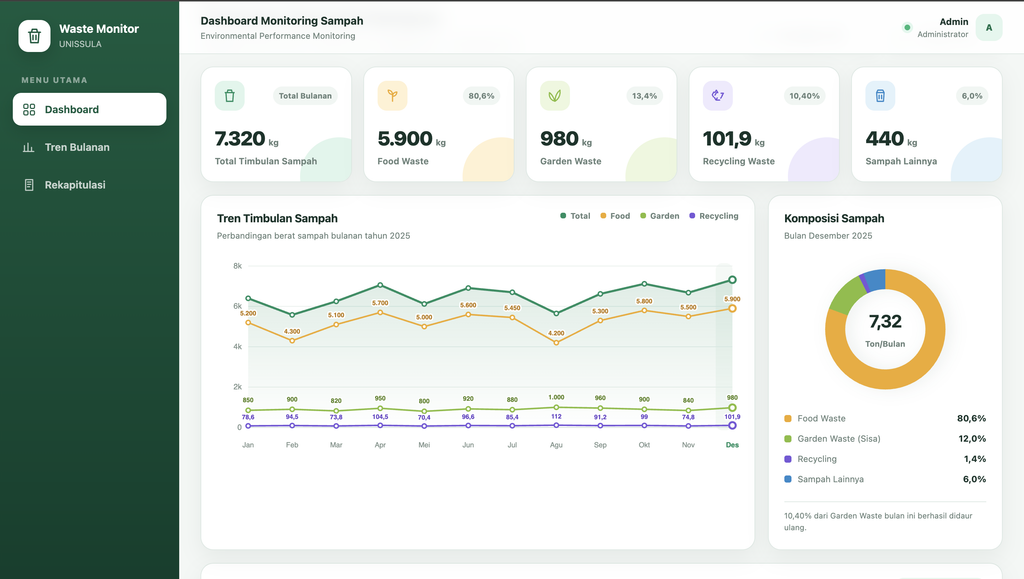
The university maintains a dedicated Waste Monitoring Dashboard that records waste generation by period, tracks major waste categories, and identifies the amount of waste that is recycled or otherwise recovered from the waste stream.
The monitoring system provides university-wide data and allows waste performance to be reviewed on both a monthly and annual basis.
Waste Monitoring Dashboard
UNISSULA’s Waste Monitoring Dashboard provides a centralised overview of campus waste generation.
The dashboard includes information on:
- Total waste generated;
- Food waste;
- Garden waste;
- Other waste;
- Recycled waste;
- Monthly waste trends;
- Waste composition;
- Annual monitoring records; and
- Verification status of recorded data.
The dashboard enables university administrators to monitor changes in waste generation throughout the year and assess the effectiveness of waste-management activities.
Measurement of Total Waste Generated
The university records the total amount of waste generated each month.
For example, in December 2025, the dashboard recorded:
- Total waste generated: 7,320 kg
- Food waste: 5,900 kg
- Garden waste: 980 kg
- Other waste: 440 kg
The monthly data allow the university to compare waste generation between different periods and identify changes in waste patterns.
Waste Measurement by Category
Waste is recorded according to major categories to provide a clearer understanding of the composition of campus waste.
The principal categories monitored are:
Food Waste
Food waste represents the largest proportion of the university’s recorded waste stream.
This category includes organic waste arising primarily from food consumption and food-service activities within the university environment.
Garden Waste
Garden waste includes organic material generated through campus landscaping and green-space maintenance.
This may include leaves, grass clippings, plant material, and other biodegradable waste produced through the maintenance of university grounds.
Other Waste
The monitoring system also records waste that does not fall within the principal food or garden waste categories.
This enables the university to maintain a more complete record of the overall campus waste stream.
Measurement of Recycled Waste
In addition to measuring total waste generation, UNISSULA separately records the amount of waste that is successfully recycled or recovered.
The dashboard presents Recycling Waste as a monitored indicator alongside the main waste categories.
For December 2025, the university recorded:
- Garden Waste: 980 kg
- Recycled Waste: 101.9 kg
- Recycling proportion: 10.40% of garden waste
The recycled amount is recorded as a portion of the relevant waste stream and is therefore not added again to the total waste generated.
This approach prevents double counting and allows the university to distinguish between waste generated and the portion subsequently diverted through recycling or recovery activities.
Monthly Recycling Monitoring
Recycling performance is monitored throughout the year rather than being recorded only as an annual figure.
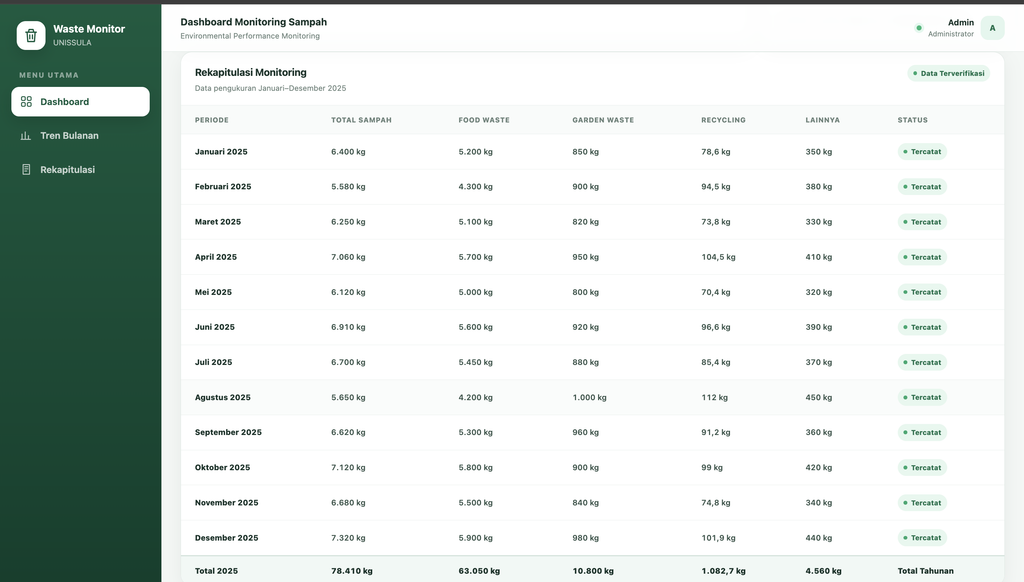
The 2025 dashboard records the following monthly recycled amounts:
| Month | Garden Waste | Recycled Waste |
|---|---|---|
| January 2025 | 850 kg | 78.6 kg |
| February 2025 | 900 kg | 94.5 kg |
| March 2025 | 820 kg | 73.8 kg |
| April 2025 | 950 kg | 104.5 kg |
| May 2025 | 800 kg | 70.4 kg |
| June 2025 | 920 kg | 96.6 kg |
| July 2025 | 880 kg | 85.4 kg |
| August 2025 | 1,000 kg | 112.0 kg |
| September 2025 | 960 kg | 91.2 kg |
| October 2025 | 900 kg | 99.0 kg |
| November 2025 | 840 kg | 74.8 kg |
| December 2025 | 980 kg | 101.9 kg |
| Total 2025 | 10,800 kg | 1,082.7 kg |
The monthly figures demonstrate that recycling is measured continuously and can vary from one period to another.
Annual Waste Measurement
The monitoring system also provides annual totals.
For 2025, UNISSULA recorded:
- Total waste generated: 78,410 kg
- Food waste: 63,050 kg
- Garden waste: 10,800 kg
- Other waste: 4,560 kg
- Recycled waste: 1,082.7 kg
Because recycled waste represents a portion of the relevant waste category, it is tracked separately as a recovery indicator rather than being treated as an additional waste category in the total calculation.
Monthly Trend Analysis
The dashboard presents waste generation in a monthly trend graph.
This enables the university to observe:
- Increases or decreases in total waste;
- Changes in food waste generation;
- Changes in garden waste;
- Fluctuations in recycled waste; and
- Seasonal differences in waste production.
Trend monitoring provides a stronger basis for identifying periods of higher waste generation and determining where waste-reduction initiatives may be needed.
Waste Composition Monitoring
The dashboard also visualises the composition of campus waste.
For December 2025, the dashboard shows the relative proportions of food waste, remaining garden waste, recycled waste, and other waste.
This visual representation helps users understand which waste streams contribute most significantly to overall waste generation.
Avoiding Double Counting
UNISSULA distinguishes carefully between:
- Waste generated; and
- Waste recycled.
Recycled waste is a portion of waste already included within the total waste generated.
For example:
Garden Waste Generated → Portion Recycled → Remaining Garden Waste
This accounting approach ensures that recycling data can be monitored without inflating the total amount of waste generated.
Data Recording and Verification
The waste-monitoring system maintains monthly records for the entire reporting period.
The dashboard includes status indicators showing that recorded data have been entered and verified within the monitoring system.
This supports consistency in university waste records and makes it possible to review historical data when evaluating environmental performance.
University-Wide Coverage
The monitoring framework is designed to represent waste generated across university operations rather than waste from only a single faculty, department, or activity.
This university-wide approach allows UNISSULA to assess its overall waste profile and establish a consistent institutional record of waste generation and recycling.
Data-Based Waste Management
Waste measurement is an important part of UNISSULA’s environmental management approach.
Reliable data allow the university to:
- Identify major waste streams;
- Monitor changes in waste generation;
- Measure recycling performance;
- Evaluate waste-reduction activities;
- Identify opportunities for further recycling;
- Support more efficient use of resources; and
- Improve future waste-management programmes.
Supporting Waste Reduction
Measurement provides the baseline needed for effective waste reduction.
By understanding how much waste is generated and how much is recycled, the university can identify where interventions may have the greatest impact.
This supports a continuous cycle of:
Measurement → Evaluation → Reduction → Recycling → Improvement
Supporting Responsible Consumption and Production
The university’s waste-monitoring system supports SDG 12: Responsible Consumption and Production by providing measurable information on resource use, waste generation, and recycling.
Monitoring enables UNISSULA to move beyond general environmental commitments by maintaining quantitative records of its waste-management performance.
Evidence of Implementation
UNISSULA demonstrates its measurement of waste generated and recycled through:
- A dedicated university Waste Monitoring Dashboard.
- Monthly measurement of total waste generated.
- Separate measurement of food waste.
- Separate measurement of garden waste.
- Separate measurement of other waste.
- Measurement of recycled waste.
- Monthly recycling records for January–December 2025.
- Annual waste totals for 2025.
- Monthly waste trend visualisation.
- Waste composition visualisation.
- Recorded and verified monitoring data.
- University-wide waste measurement and reporting.
12.4.1
Publication Of A Sustainability Report
Publication of a Sustainability Report
Universitas Islam Sultan Agung (UNISSULA) publicly publishes its sustainability reporting through the official UNISSULA SDGs Center website.
In 2025, UNISSULA made its sustainability report available through the SDGs Reports page, which serves as a public portal for institutional reporting related to the Sustainable Development Goals.
Through this reporting platform, UNISSULA provides public access to sustainability-related information, institutional progress, and documented initiatives across the SDGs, including responsible consumption and production.
This demonstrates UNISSULA’s commitment to transparency, accountability, and public communication of its sustainability performance.