

















UNISSULA SUSTAINABILITY REPORTING
SDG 14 – Life Below Water
Progress Report 2025
2025 Report Overview
In 2025, Universitas Islam Sultan Agung (UNISSULA) documented its progress towards SDG 14 – Life Below Water through aquatic ecosystem conservation, sustainable water management, coastal restoration, marine pollution prevention, and community engagement. The university implemented the Smart Rainwater Harvesting programme in Timbulsloko, supported Wetskills-Indonesia 2025, and promoted coastal sustainability through ICCDA 6 and research on aquatic biodiversity and environmental monitoring. UNISSULA also strengthened institutional policies on sustainable aquatic food sourcing, wastewater management, plastic waste reduction, and aquatic ecosystem protection, while supporting mangrove restoration and campus lake monitoring. This report presents the university’s institutional initiatives, documented achievements, and continuing priorities for protecting aquatic ecosystems during the 2025 reporting period.
Full SDG 14 Progress Report 2025
14.2.1
Fresh-Water Ecosystems (Community Outreach)
14.2.1 Fresh-Water Ecosystems Educational Programmes
Universitas Islam Sultan Agung (UNISSULA) provides educational programmes and community outreach activities that promote sustainable freshwater management, water conservation, and practical solutions to water-related challenges.
In 2025, UNISSULA implemented and supported initiatives that combined direct community education with practitioner-oriented learning. Two important examples were the Smart Rainwater Harvesting (Smart-PAH) programme in Dukuh Timbulsloko, Sayung District, Demak Regency, and Wetskills-Indonesia 2025, an international water education and innovation programme hosted at UNISSULA in Semarang.
Together, these initiatives demonstrate UNISSULA’s commitment to translating water knowledge into practical solutions for local communities and water-sector practitioners.
Smart Rainwater Harvesting in Timbulsloko
In 2025, UNISSULA carried out the Smart Rainwater Harvesting (Smart-PAH) programme in Dukuh Timbulsloko, Sayung District, Demak Regency.
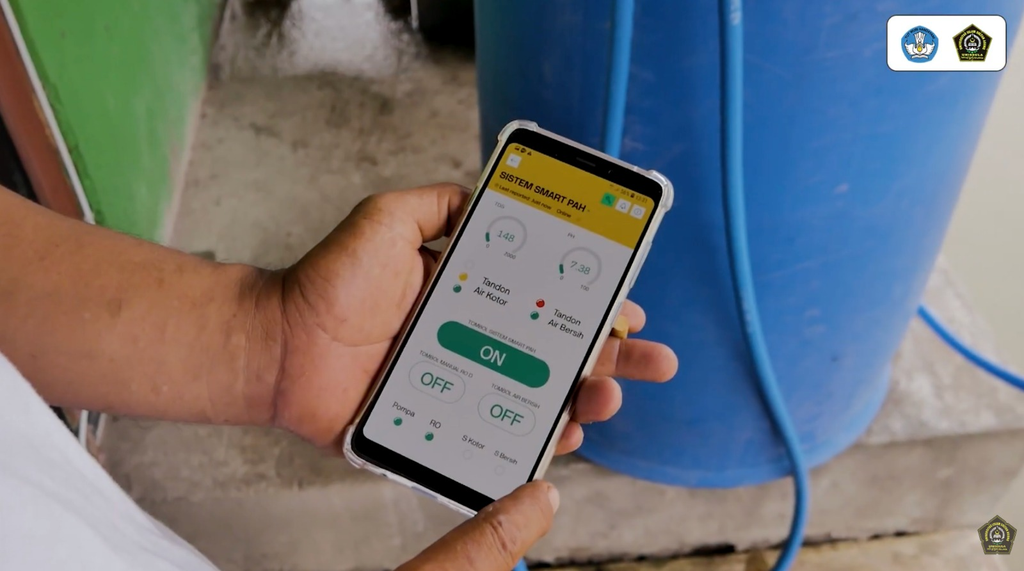
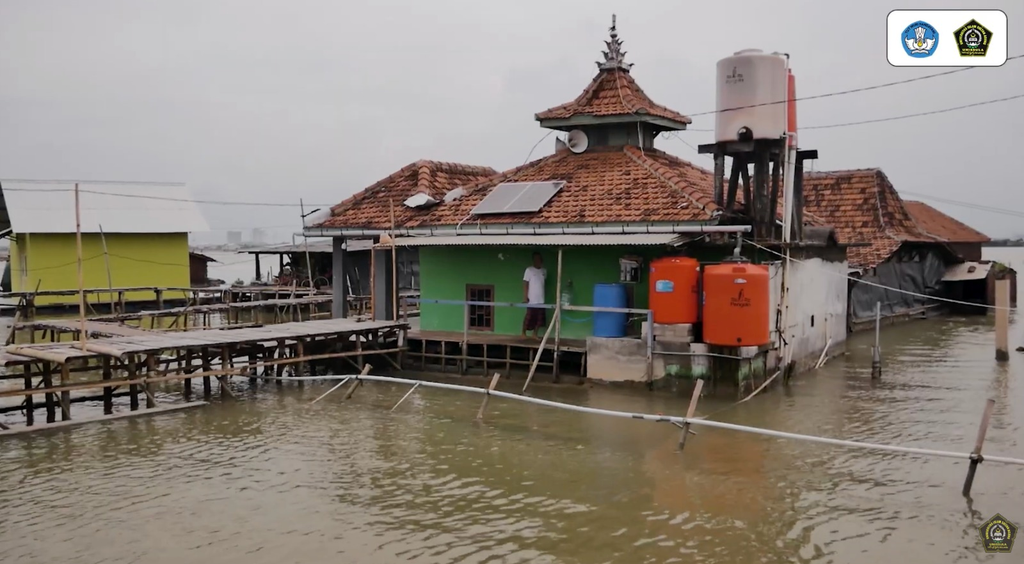
The programme was designed as a community-based educational initiative addressing sustainable water management and the utilisation of rainwater as an alternative freshwater resource.
Timbulsloko is a coastal community that faces complex environmental and water-related pressures. In this context, rainwater harvesting provides a practical approach to strengthening local water resilience by capturing rainfall and making it available for beneficial household and community uses.
Through the Smart-PAH programme, community members were introduced to practical approaches related to rainwater collection, storage, utilisation, and responsible water management.
Community Education on Water Conservation
The Smart-PAH initiative combines education with practical implementation.
Rather than providing information only through classroom-style activities, the programme demonstrates how rainwater can be captured and managed as a locally available freshwater resource.
This educational approach strengthens community understanding of:
- Rainwater harvesting;
- Freshwater conservation;
- Responsible household water use;
- Alternative freshwater sources;
- Sustainable water storage and utilisation; and
- Community resilience to water-related environmental pressures.
The programme therefore connects technical knowledge with the everyday needs of local residents.
Practical Freshwater Management
Rainwater harvesting is a practical form of freshwater management because it enables communities to capture rainfall that would otherwise become surface runoff.
For communities facing pressures on conventional freshwater resources, the approach can contribute to diversification of water sources and improved awareness of the importance of conserving available freshwater.
Through community education, UNISSULA encourages residents to understand water not simply as a resource to consume, but as a resource that can be collected, managed, conserved, and used responsibly.
The 2025 Smart-PAH programme therefore provides a direct example of educational outreach on water management and conservation for a local community.
Strengthening Water Resilience in a Coastal Community
The location of the programme in Timbulsloko gives the initiative particular relevance.
Coastal communities can face interconnected challenges involving flooding, environmental degradation, freshwater availability, sanitation, and climate-related risks.
Community knowledge of rainwater harvesting can contribute to resilience by helping residents understand alternative ways of managing locally available freshwater.
The programme demonstrates UNISSULA’s approach of linking university knowledge with practical community needs through direct engagement and community service.
Wetskills-Indonesia 2025 at UNISSULA
UNISSULA further strengthened its freshwater education activities through Wetskills-Indonesia 2025, held in Semarang from 8 to 19 June 2025.
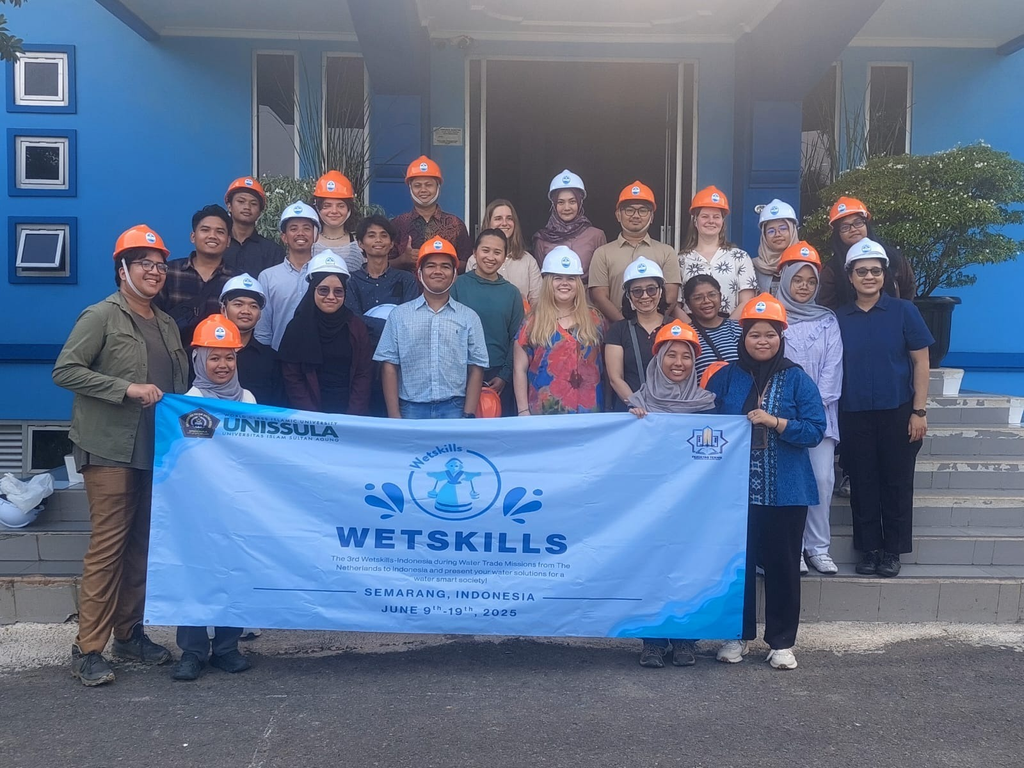

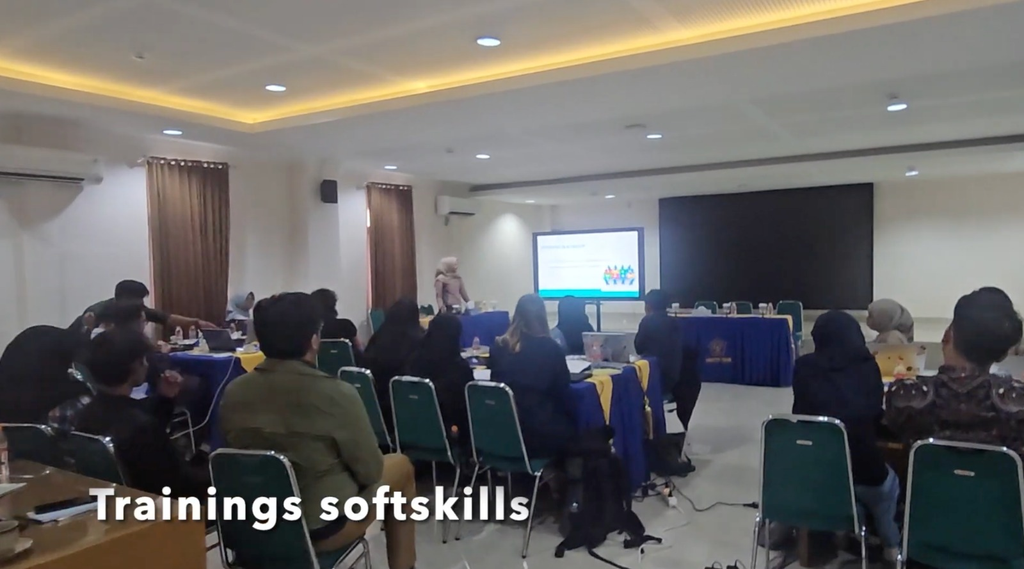
UNISSULA was an event partner and the venue for the programme. Wetskills brought together 24 young talents from around the world to collaborate on real-life water challenges affecting Semarang and Indonesia. Participants worked through multidisciplinary teams supported by field visits and expert mentorship. Wetskills Water Challenges
The programme addressed major water-management issues including:
- Groundwater depletion;
- Non-revenue water and water losses;
- Wastewater reuse;
- Flood-basin planning;
- River revitalisation;
- Community participation in water management; and
- Local water security and resilience.
This structured learning programme complemented UNISSULA’s direct community education activities by connecting participants with water professionals, government-related stakeholders, utilities, companies, and experts.
Learning from Local Water Professionals
Wetskills-Indonesia 2025 was designed as a practical educational experience rather than a conventional classroom programme.
Participants explored water-related sites, interacted with local water professionals, and developed solutions to cases provided by real organisations. The programme aimed to deepen participants’ understanding of Indonesia’s water sector, including its stakeholders, institutions, contemporary challenges, and opportunities. Wetskills Water Challenges
A preparatory programme document also describes Wetskills as a two-week challenge for university-level students and young water professionals, supported by local and international experts from academia, companies, and governmental institutions. UNISSULA was identified as one of the local academic partners. Wetskills Water Challenges
This practitioner-oriented model supports knowledge transfer beyond formal degree programmes.
Community-Based Water Solutions
One of the Wetskills cases, Engaging the Community for Water Solutions, focused specifically on community participation in water management.
Developed with Blue Deal Indonesia, the case explored how local governments could more effectively engage residents in responding to recurrent local and coastal flooding.
Participants examined how communities could move beyond simply receiving information and instead become active partners in water-management and resilience measures. Wetskills Water Challenges
This case illustrates the importance of public knowledge, participation, and cooperation in achieving sustainable water management.
Groundwater Conservation
Groundwater depletion was another major topic addressed during Wetskills-Indonesia 2025.
Groundwater is an important freshwater resource, but excessive extraction can contribute to environmental problems, particularly in urban and coastal regions.
By addressing groundwater depletion as a real-life water challenge, the programme encouraged participants to consider the relationship between water consumption, groundwater availability, urban development, land subsidence, and long-term water security. Wetskills Water Challenges
This reinforces the educational focus on responsible freshwater-resource management.
Reducing Water Loss
Another case addressed Water Footprint Compensation in Semarang, involving PDAM Semarang, WaterWorX, and Water Footprint Implementation.
The case focused on reducing Non-Revenue Water through the identification and repair of leaks and inefficiencies in the water-supply system.
Reducing water losses can increase the amount of freshwater available without requiring an equivalent increase in extraction. The case therefore connected practical utility management with water conservation, water stewardship, water security, and community resilience. Wetskills Water Challenges
Wastewater Reuse and Circular Water Management
Wastewater reuse was also included among the real-life challenges addressed by Wetskills participants.
This introduces participants to a more circular approach to water management in which water resources are managed efficiently and, where appropriate, reused rather than treated solely as a disposable resource after initial consumption.
Such approaches can help reduce pressure on freshwater resources while strengthening overall water efficiency.
Rivers and Freshwater Ecosystems
Wetskills-Indonesia 2025 also included a case on the revitalisation of the Semarang River.
The case considered how awareness of the river’s significance could be strengthened and how river revitalisation could be integrated with Semarang’s heritage and tourism development. Wetskills Water Challenges
The case demonstrates that freshwater systems such as rivers are not only sources of water but also important environmental, cultural, historical, and social assets.
Education about rivers therefore contributes to a wider understanding of freshwater ecosystem conservation and sustainable urban water management.
Connecting Community Education and Professional Learning
UNISSULA’s 2025 freshwater educational activities demonstrate two complementary approaches.
The Smart-PAH Timbulsloko programme provides direct education to a local community through practical rainwater-harvesting and freshwater-conservation activities.
Wetskills-Indonesia 2025 provides a structured learning environment in which students, young professionals, experts, utilities, government-related institutions, and water-sector organisations work together on real water challenges.
Together, these approaches connect:
Community education → practitioner learning → technical knowledge → practical water solutions.
Collaboration for Sustainable Water Management
UNISSULA’s cooperation with Wetskills Foundation was further formalised in June 2025 through a Memorandum of Understanding signed during the Dutch Trade Mission to Indonesia.
The agreement reaffirmed cooperation in water education and innovation, including future Wetskills activities, research, and knowledge exchange between students and professionals. Wetskills Water Challenges
This collaboration strengthens the university’s capacity to connect academic knowledge with practitioners and real-world water-management challenges.
Evidence of Implementation
- Smart Rainwater Harvesting (Smart-PAH), Timbulsloko, 2025 – UNISSULA implemented a community-based programme in Dukuh Timbulsloko, Sayung District, Demak Regency, focused on rainwater harvesting and sustainable freshwater management. The programme provided practical education relevant to water conservation and local water resilience.
- Direct local-community engagement – The Smart-PAH programme was conducted with residents of Timbulsloko, demonstrating the application of water-management knowledge directly within a local community.
- Wetskills-Indonesia 2025 – UNISSULA served as an event partner and venue for the programme in Semarang from 8–19 June 2025. Wetskills Water Challenges
- Real-life freshwater challenges – Participants addressed groundwater depletion, non-revenue water, wastewater reuse, flood management, river revitalisation, and community-based water solutions. Wetskills Water Challenges
- Practitioner-oriented education – Participants interacted with local water professionals, government-related institutions, companies, utilities, and experts while undertaking field-based learning and case development. Wetskills Water Challenges
- Community participation in water management – A dedicated Wetskills case examined ways to strengthen community involvement in local water-management and resilience measures. Wetskills Water Challenges
- Water conservation through efficiency – Another case focused on reducing water losses in Semarang’s water-supply system and improving water security and community resilience.
14.2.2
Sustainable Fisheries (Community Outreach)
14.2.2 Educational Outreach on Sustainable Tourism Management
Universitas Islam Sultan Agung (UNISSULA) supports community-based education and outreach on sustainable tourism management through applied community service programmes that strengthen the capacity of local tourism practitioners, village institutions, and community organisations.
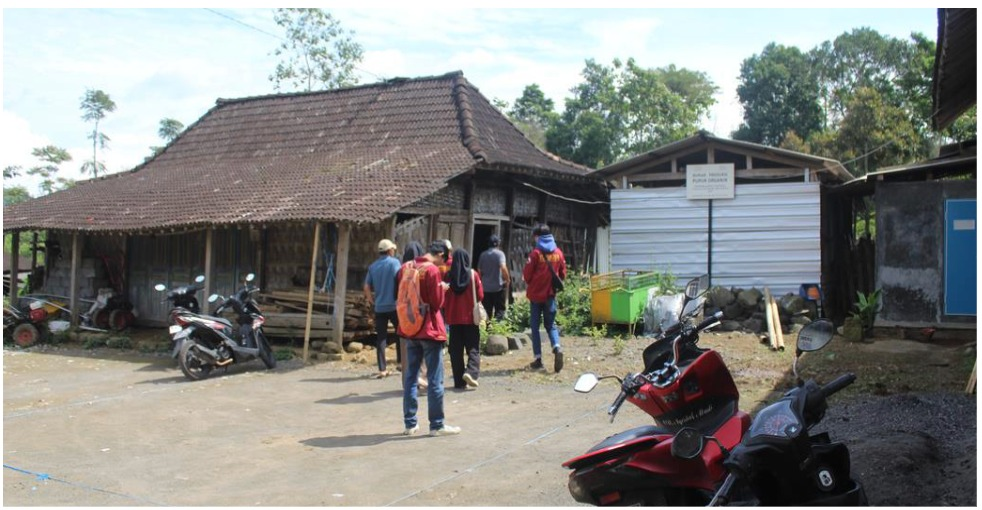
In 2025, the Urban and Regional Planning Study Programme, Faculty of Engineering, UNISSULA, carried out a participatory community-service programme in Manggihan Village, Getasan Sub-district, Semarang Regency, to assist Pokdarwis Pepeling and the Manggihan Village Government in preparing an education- and ecotourism-based Tourism Village Masterplan.
The programme was designed not merely to produce a planning document, but also to strengthen local capacity for managing tourism in an environmentally responsible, educational, and sustainable manner.
Community-Based Sustainable Tourism Education
Manggihan Village is an emerging tourism village with natural, agricultural, livestock, and educational-tourism potential.
Before the programme, the village did not yet have a comprehensive tourism planning document, partly because of limited technical capacity among the local tourism-awareness group and village government.
UNISSULA therefore provided direct assistance to help local practitioners prepare a sustainable tourism development framework based on education, ecology, and community participation.
The programme placed local stakeholders at the centre of the planning process. Pokdarwis Pepeling, the village government, youth groups, and community business groups were actively involved in identifying local potential, analysing challenges, and formulating future tourism development.
Participatory Outreach with Local Practitioners
The programme used a participatory method involving UNISSULA lecturers and students together with:
- Manggihan Village Government;
- Pokdarwis Pepeling;
- Karang Taruna;
- Local community groups; and
- Kelompok Usaha Bersama.
The outreach process included perception alignment, primary surveys, Focus Group Discussions, aerial mapping using drones, and collaborative preparation of the masterplan.
This approach ensured that local tourism practitioners were not passive recipients of a university plan. Instead, they participated directly in identifying tourism assets, discussing development concepts, evaluating environmental conditions, and planning future tourism facilities and programmes.
Implementation During 2025
The community-service activities were carried out through several stages during 2025.
A primary survey was undertaken on 22 March 2025, involving UNISSULA, the village government, and local community organisations. The survey collected information on physical, social, and economic conditions across the village.
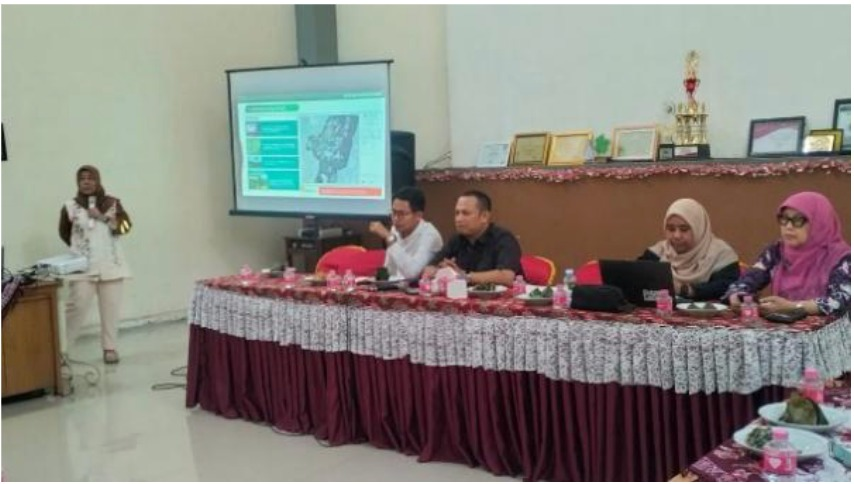
A Focus Group Discussion was held on 16 April 2025 at Manggihan Village Hall. It brought together village officials, Karang Taruna, Pokdarwis, local business groups, and the UNISSULA community-service team to discuss survey findings, identify key issues, and develop ideas for village tourism.
On 23 May 2025, the team conducted aerial mapping with drone technology together with village officials and Pokdarwis to support detailed spatial planning for future tourism development.
These activities demonstrate that the programme was a practical and structured outreach initiative conducted directly with local tourism practitioners.
Education- and Ecology-Based Tourism Planning
The programme adopted an eco-edutourism approach.
This approach combines three important elements:
- Tourism attractions based on the natural environment;
- Learning and educational interaction between visitors and the environment; and
- Sustainability principles.
The programme also recognised sustainable tourism as an approach that should maintain ecosystem functions, preserve natural tourism attractions, protect local social and cultural values, maintain visitor comfort, and create economic benefits for the community.
UNISSULA therefore assisted the local community in designing tourism development that could generate economic opportunities without neglecting environmental protection.
Strengthening Local Tourism Management Capacity
One of the principal objectives of the programme was to improve the technical capacity of Pokdarwis Pepeling and the Manggihan Village Government.
The completed masterplan was intended to function as both a technical planning guide and a capacity-building tool for local tourism managers. The programme strengthened their readiness to manage tourism development based on education and ecology in a more sustainable way.
The masterplan also identified human-resource development as an important part of future tourism management, including training in:
- Tourism management;
- Homestay management;
- Culinary services;
- Digital marketing;
- Tourism guiding; and
- Hospitality.
These capacity-building measures were designed to strengthen the professionalism and long-term sustainability of village tourism management.
Community-Based Tourism Development
The Manggihan programme places the community at the centre of tourism development.
The tourism village is managed by Pokdarwis Pepeling under the village institutional structure, and the programme emphasised community participation as a key requirement for sustainable tourism.
The resulting development concept seeks to create tourism products that allow visitors to interact with local landscapes, agriculture, livestock activities, local enterprises, and community life.
The planned tourism packages include nature tourism, educational tourism, integrated camping and educational tourism, homestays, and community-based experiences.
This model supports a form of tourism in which local people are directly involved in planning, management, service provision, and economic activity.
Sustainable Management of Natural Resources
Environmental sustainability is an important component of the Manggihan tourism-development strategy.
The village is located in the upper part of the Tuntang watershed, meaning that land-use decisions in Manggihan can influence the environmental condition of Lake Rawa Pening downstream.
The programme therefore recognised the need to control land use and tourism development so that it would not create negative environmental impacts downstream.
Environmental risks, including erosion and landslides, were also considered in the planning process, and the village’s natural assets were assessed together with ecological carrying capacity and spatial constraints.
This demonstrates that tourism development was addressed not only from an economic perspective, but also through environmental management and ecosystem protection.
Eco-Educational Tourism Products
The masterplan identifies two principal tourism products within the priority development area.
The first is a camping ground using the village’s natural landscape. The second is an educational tourism area where visitors can learn about local agriculture, livestock, seed nurseries, greenhouse activities, local products, organic fertiliser, and biogas.
These tourism products are intended to combine environmental education, local livelihoods, and visitor experiences.
By connecting tourism with local environmental practices and community enterprises, the programme supports a model of tourism development in which education and environmental responsibility are central components.
Supporting Infrastructure for Sustainable Tourism
The masterplan also includes supporting infrastructure intended to benefit both residents and future visitors.
Planned measures include pedestrian routes, interpretation and directional signage, improved village infrastructure, clean-water network expansion, drainage improvement, waste segregation facilities, and optimisation of a village reservoir for both irrigation and tourism purposes.
Within the educational tourism zone, planned environmental-support facilities include:
- An automatic fertiliser-sieving machine;
- Aqua Smart Micro Sprinkler;
- A rainwater harvesting installation;
- Solar panels;
- Educational information boards; and
- Improved facilities for organic fertiliser production.
These measures demonstrate an effort to integrate tourism development with practical environmental management.
Institutional and Community Collaboration
The programme was carried out through close collaboration between UNISSULA and local stakeholders.
Pokdarwis Pepeling and the Manggihan Village Government contributed data, participated in surveys, supported Focus Group Discussions, and helped formulate the masterplan.
The programme therefore represents more than academic research. It is a direct community-service and capacity-building activity in which the university works alongside local tourism practitioners.
The completed masterplan strengthened local understanding of tourism planning and provided a practical framework for future implementation.
Long-Term Sustainable Tourism Capacity
The programme concluded that Pokdarwis Pepeling and the Manggihan Village Government had strengthened their understanding of the importance of comprehensive tourism planning.
The masterplan also provides a basis for future collaboration between the village, local communities, government institutions, private partners, and UNISSULA.
Continued education and mentoring are recommended to improve community capacity in environmental management, local product development, tourism operations, and implementation of the tourism masterplan.
The programme was funded through UNISSULA’s internal community-service funding and was implemented in cooperation with Pokdarwis Pepeling and the Manggihan Village Government.
Evidence of Implementation
- Community-service programme in 2025 – UNISSULA assisted Pokdarwis Pepeling and the Manggihan Village Government in preparing an education- and ecotourism-based Tourism Village Masterplan.
- Direct engagement with local tourism practitioners – The programme involved the village government, Pokdarwis, Karang Taruna, local business groups, and other community stakeholders through participatory planning.
- Structured educational outreach – Activities included surveys, Focus Group Discussions, aerial mapping, analysis, and collaborative masterplan preparation.
- 2025 implementation was documented through activities on 22 March, 16 April, and 23 May 2025.
- Sustainable tourism principles were explicitly incorporated through the eco-edutourism approach, including ecosystem conservation, environmental learning, community participation, and long-term sustainability.
- Capacity building for sustainable tourism management included tourism management, homestay management, digital marketing, guiding, hospitality, and institutional strengthening.
- Environmental management was integrated into tourism planning, including watershed protection, irrigation-related infrastructure, rainwater harvesting, clean-water facilities, waste management, and renewable-energy support.
14.2.3
Overfishing (Community Outreach)
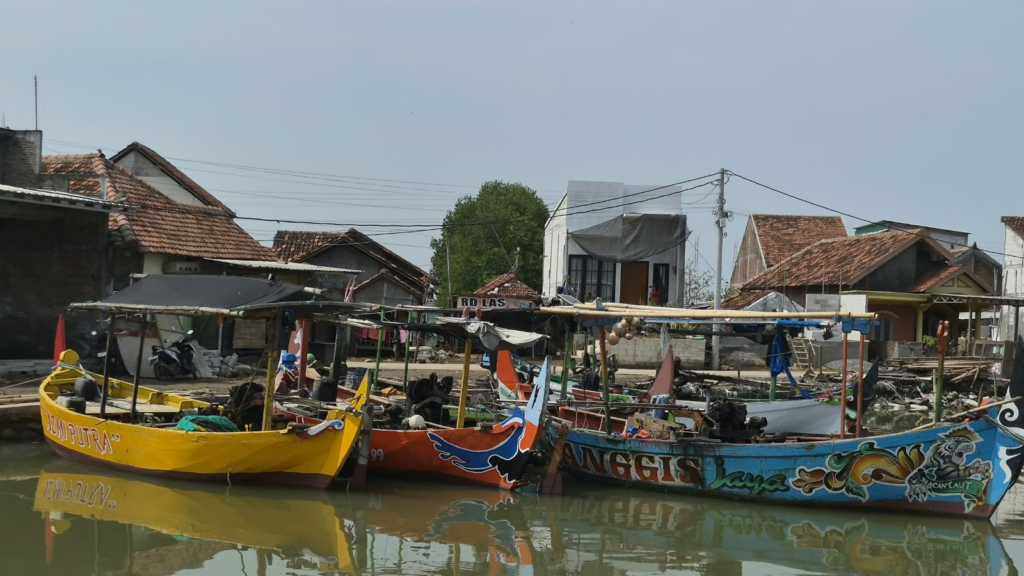
UNISSULA Promotes Sustainable Fishing Practices Through Community Education on Illegal Fishing in Demak

Strengthening Awareness of Sustainable Fisheries
Universitas Islam Sultan Agung (UNISSULA), through the Faculty of Industrial Technology (FTI), conducted a community education programme addressing illegal fishing in Bonang District, Demak Regency, Central Java, in November 2025.
Organised by FTI UNISSULA’s community service team, the initiative aimed to raise awareness among local fishing communities about the importance of responsible fishing practices, marine ecosystem protection, and the sustainable use of aquatic resources.
The programme reflected UNISSULA’s commitment to extending environmental education beyond the university campus and supporting coastal communities whose livelihoods depend on healthy marine ecosystems.
Community Education on Illegal Fishing
Illegal fishing presents significant challenges to the sustainability of marine resources. Practices that violate fisheries regulations can contribute to the depletion of fish stocks, damage aquatic habitats, and threaten the long-term economic stability of coastal communities.
Recognising these challenges, FTI UNISSULA organised educational outreach to improve local awareness of illegal fishing and encourage more responsible approaches to fisheries management.
The programme focused on the importance of preventing illegal fishing, protecting marine biodiversity, and maintaining fish stocks for future generations.
By connecting environmental knowledge with the daily activities of fishing communities, the initiative sought to encourage awareness of how sustainable fishing practices contribute to both ecosystem conservation and community well-being.
Free Educational Outreach for Local Fishing Communities
The community education programme was provided free of charge, enabling local fishing communities in Bonang to access information about illegal fishing and sustainable fisheries without financial barriers.
Conducted as part of UNISSULA’s community service activities (Pengabdian kepada Masyarakat), the programme demonstrated the university’s role in making sustainability-related education accessible to communities beyond its academic environment.
The outreach emphasised the relationship between responsible fishing practices, the protection of marine resources, and the continued availability of fisheries as a source of local livelihoods.
Through this approach, UNISSULA sought to strengthen environmental awareness while recognising the importance of sustainable fisheries for coastal community development.
Supporting Coastal Sustainability in Bonang, Demak
Bonang District in Demak Regency is a coastal area where fishing activities form an important part of local economic and community life.
The availability and sustainability of marine resources are closely connected to the livelihoods of fishing households and the long-term resilience of coastal communities.
By conducting the programme directly in Bonang, FTI UNISSULA brought environmental education closer to the communities engaged in fishing activities.
The initiative also reflected the importance of cooperation between higher education institutions and local communities in addressing environmental challenges through education and community engagement.
Contribution to SDG 14 – Life Below Water
UNISSULA’s community education programme contributes to the United Nations Sustainable Development Goal 14 – Life Below Water, which promotes the conservation and sustainable use of oceans, seas, and marine resources.
Through its November 2025 outreach activity, the university supported local awareness of illegal fishing, responsible fishing practices, and the importance of protecting aquatic ecosystems.
The initiative demonstrates UNISSULA’s commitment to providing accessible environmental education and engaging fishing communities in efforts to promote sustainable marine resource management.
By integrating community service with sustainability education, UNISSULA continues to strengthen its contribution to marine conservation awareness and the long-term well-being of coastal communities.
14.3.1
Conservation And Sustainable Utilisation Of The Oceans (Events)
14.3.1 Conservation and Sustainable Utilisation of Oceans, Seas, Lakes and Rivers
Universitas Islam Sultan Agung (UNISSULA) supports and organises academic and professional events that promote the conservation, resilience, and sustainable utilisation of aquatic and coastal ecosystems.
In 2025, UNISSULA organised the 6th International Conference on Coastal and Delta Areas (ICCDA #6), an international forum specifically focused on the challenges facing coastal and delta regions. The conference brought together academics, professionals, international experts, and other stakeholders to exchange knowledge and develop approaches to climate adaptation, environmental protection, sustainable infrastructure, and resilience in vulnerable coastal and delta areas.
The event directly supports UNISSULA’s wider commitment to maintaining aquatic ecosystems through knowledge exchange, collaborative research, technological innovation, and sustainable management approaches.
International Conference on Coastal and Delta Areas 2025
The 6th International Conference on Coastal and Delta Areas (ICCDA #6) was organised by UNISSULA’s Faculty of Engineering and Faculty of Industrial Technology on 2 July 2025.
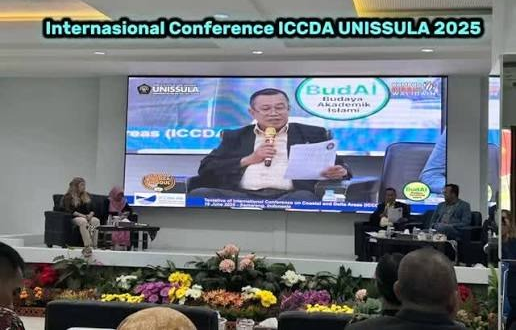
The conference adopted the theme:
“Build A Strong Nation: Advancing Climate Adaptation and Resilience through Sustainable Development in Coastal and Delta Areas.”
The theme placed the conservation and sustainable development of coastal and delta environments at the centre of the event. These environments are closely connected with seas, rivers, estuaries, wetlands, and other aquatic ecosystems and are particularly vulnerable to climate-related pressures.
UNISSULA emphasised the importance of international collaboration, research innovation, and cross-country cooperation in responding to climate change, particularly in coastal and delta areas that face significant environmental and disaster risks.
Promoting Conservation of Coastal and Delta Ecosystems
Coastal and delta regions are dynamic environments where terrestrial and aquatic systems interact.
Protecting these areas requires integrated approaches involving water management, infrastructure planning, ecosystem protection, climate adaptation, environmental monitoring, and sustainable resource utilisation.
ICCDA #6 provided a platform for discussing these interconnected challenges. The conference covered major topics including:
- climate change;
- sustainable infrastructure;
- environmental technology;
- coastal and delta resilience;
- water and environmental management; and
- sustainable development.
Through these discussions, the conference promoted greater understanding of how scientific knowledge, technology, and planning can contribute to the long-term protection and sustainable utilisation of coastal and aquatic environments.
International Knowledge Exchange for Coastal Sustainability
ICCDA #6 brought together speakers from several countries, demonstrating the international character of the event and enabling participants to learn from different approaches to coastal and water-related challenges.
Speakers included experts from VIA University College in Denmark, Hanze University of Applied Sciences in the Netherlands, Gdansk University of Technology in Poland, Water Footprint Implementation and Wetskills Foundation in the Netherlands, Université de La Manouba in Tunisia, and UNISSULA.
The participation of experts with backgrounds in environmental technology, water management, infrastructure, and climate resilience strengthened the conference as a forum for exchanging approaches that can be applied to the conservation and sustainable management of aquatic and coastal environments.
Coastal Flooding and Environmental Monitoring
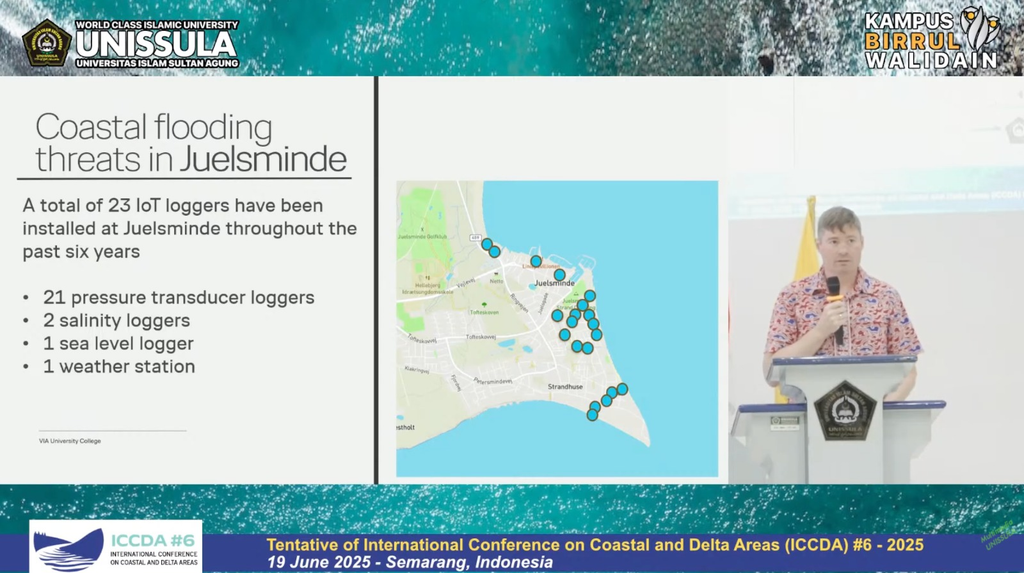
One of the presentations during ICCDA #6 highlighted coastal flooding threats in Juelsminde and demonstrated the use of environmental monitoring technology.
The presentation illustrated a monitoring system using multiple Internet of Things (IoT) loggers, including pressure transducers, salinity loggers, a sea-level logger, and a weather station.
This example demonstrated how environmental monitoring can support understanding of coastal flooding, salinity conditions, sea-level change, and other processes affecting coastal areas.
Such monitoring is important for evidence-based management because it allows coastal risks to be observed and analysed systematically. It also supports the development of adaptation strategies that can protect communities, infrastructure, and coastal ecosystems.
The presentation therefore connected technological innovation with the sustainable management and resilience of coastal environments.
Supporting Sustainable Management Through Science and Technology
ICCDA #6 emphasised that the challenges affecting coastal and delta areas cannot be addressed through a single discipline.
Effective management requires collaboration across areas such as:
- hydrology;
- environmental engineering;
- urban and regional planning;
- water management;
- sustainable infrastructure;
- environmental technology; and
- climate science.
By bringing these fields together, UNISSULA provided a forum where researchers and practitioners could exchange scientific evidence and practical approaches to the management of coastal and aquatic environments.
The conference also created opportunities for researchers to present solutions that can contribute to more resilient and sustainable development in coastal and delta regions.
Research Dissemination and Collaborative Solutions
ICCDA #6 received 78 scientific papers, of which 67 were accepted and presented following review. The conference therefore served not only as a seminar but also as a significant platform for disseminating research relevant to environmental sustainability and coastal development.
This research exchange is important because aquatic and coastal conservation depends on continuous improvement in knowledge, monitoring techniques, engineering approaches, community resilience strategies, and environmental management.
UNISSULA used the conference to encourage interdisciplinary collaboration and the development of practical solutions for the environmental challenges experienced by coastal and delta regions.
From Knowledge Exchange to Practical Action
The aim of ICCDA #6 extended beyond academic discussion.
UNISSULA described the conference as an opportunity to encourage collaborative action across disciplines and to inspire practical solutions for creating more resilient and sustainable coastal and delta areas.
This orientation is particularly important for the sustainable utilisation of aquatic resources. Conservation requires not only protecting ecosystems from degradation but also ensuring that human development, infrastructure, water management, and resource utilisation are planned in ways that do not compromise the long-term functioning of aquatic environments.
By connecting research with professional practice, ICCDA #6 supported this broader sustainability approach.
Additional International Seminar on Coastal and Delta Resilience
UNISSULA also strengthened its 2025 activities through an International Hybrid Seminar held on 6 January 2025 at the Faculty of Engineering.
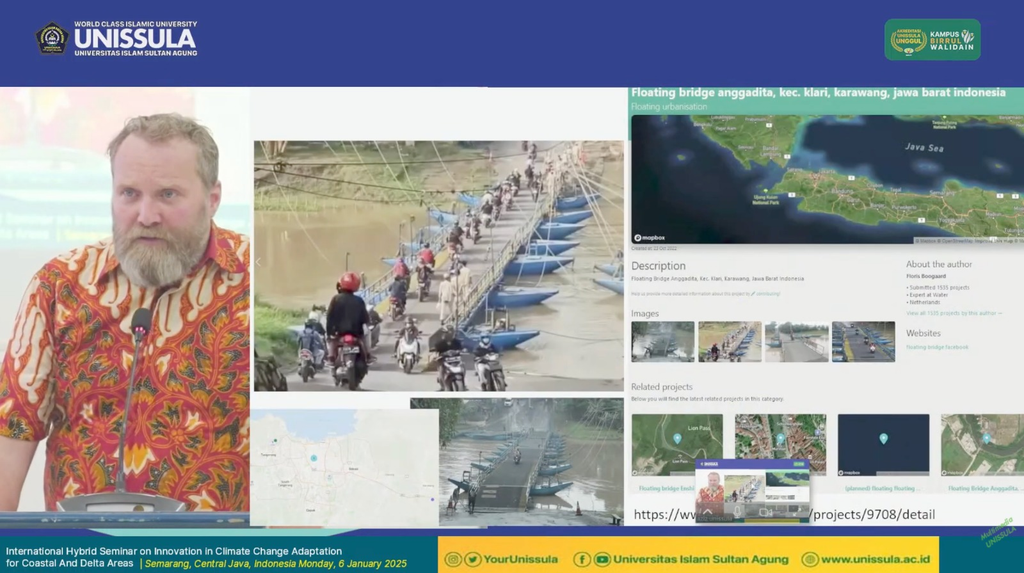
The seminar focused on climate change, adaptation, and resilience, particularly in coastal and delta regions. Its expected outcomes included practical strategies and policy recommendations for addressing climate change, documentation of international best practices, stronger collaboration among stakeholders in coastal and delta regions, and identification of technological innovations to support adaptation.
The event involved experts in water management systems, urban planning, renewable energy, sustainable infrastructure, and hydrology. Participants included environmental agencies, public works and water-resource institutions, BBWS Pemali Juana, academics, students, and NGOs.
This seminar complemented ICCDA #6 by broadening engagement with government agencies and practitioners responsible for water resources, environmental management, and infrastructure.
Engagement with Government and Environmental Stakeholders
An important feature of UNISSULA’s 2025 activities was the involvement of organisations responsible for environmental and water-resource management.
Participants in the January international seminar included:
- Central Java Provincial Environmental Service;
- environmental agencies from regencies and cities in Central Java;
- the Department of Public Works, Water Resources and Spatial Planning;
- BBWS Pemali Juana;
- the Central Java Regional Settlement Infrastructure Center;
- academics and students; and
- NGOs.
The involvement of these stakeholders strengthened the practical relevance of the event because many of them have direct responsibilities related to rivers, water resources, environmental protection, infrastructure, and climate resilience.
Building Capacity for Sustainable Aquatic Ecosystem Management
Through ICCDA #6 and its related international seminar activities, UNISSULA contributed to building knowledge and professional capacity for sustainable management of aquatic and coastal environments.
These activities promoted:
scientific understanding → environmental monitoring → stakeholder collaboration → sustainable planning → coastal and aquatic resilience.
This approach recognises that the conservation of oceans, seas, rivers, and related aquatic resources requires collaboration between universities, governments, professionals, communities, and international partners.
Evidence of Implementation
- ICCDA #6 was organised by UNISSULA on 2 July 2025, led collaboratively by the Faculty of Engineering and Faculty of Industrial Technology.
- The conference theme explicitly focused on climate adaptation, resilience, and sustainable development in coastal and delta areas, directly connecting the event with the sustainable management of coastal and aquatic environments.
- International experts from Denmark, the Netherlands, Poland, Tunisia, and Indonesia participated in the conference, supporting international knowledge exchange on environmental and coastal challenges.
- The conference addressed topics including climate change, sustainable infrastructure, environmental technology, and other sustainability challenges relevant to coastal and delta areas.
- A conference presentation on coastal flooding threats demonstrated environmental monitoring using pressure, salinity, sea-level, and weather data, illustrating practical approaches to understanding and managing coastal environmental risks.
- Seventy-eight scientific papers were submitted and 67 were presented, demonstrating substantial research engagement and dissemination through the conference.
- UNISSULA also organised an International Hybrid Seminar on 6 January 2025 addressing climate adaptation and resilience in coastal and delta regions, with participants from environmental agencies, water-resource institutions, academia, and NGOs.
- The seminar aimed to develop practical strategies, share international best practices, strengthen stakeholder collaboration, and identify technological solutions for climate adaptation in coastal and delta areas.
14.3.2
Food From Aquatic Ecosystems (Policies)
14.3.2 Sustainable Sourcing of Food from Aquatic Ecosystems
Universitas Islam Sultan Agung (UNISSULA) is committed to ensuring that food sourced from aquatic ecosystems and used, provided, or sold on campus comes from legal and sustainable sources.
To support the sustainable use of aquatic resources, UNISSULA issued an institutional circular in 2025 that applies to university units, canteens, catering providers, food-service providers, vendors, service contractors, and other third parties operating within the university environment.
The policy establishes requirements for the sourcing of fish, seafood, and other food products originating from aquatic ecosystems and is intended to reduce the risk that food served or sold on campus is connected to illegal or environmentally damaging harvesting practices.
Institutional Policy on Sustainable Aquatic Food Sourcing
On 11 September 2025, UNISSULA issued Circular Letter No. 9018/J/SA/IX/2025 concerning the sustainable use of aquatic resources and the sourcing of food originating from aquatic ecosystems.
The circular states that food from aquatic ecosystems that is used, provided, or sold within UNISSULA should originate from legal and sustainable sources.
This institutional requirement applies directly to food procurement and food-service activities across the university environment.
Legal, Traceable and Sustainable Sources
The policy requires university units, canteens, catering providers, and food suppliers to use aquatic food products that are:
- legally sourced;
- traceable; and
- sustainably sourced.
These requirements are intended to strengthen accountability within the university’s food supply chain and encourage responsible purchasing of products originating from aquatic ecosystems.
Traceability is particularly important because it allows purchasing units and food-service providers to identify where aquatic products come from and to reduce the risk of sourcing from unlawful or unsustainable practices.
Prohibition of Unsustainable Fishing Practices
UNISSULA’s policy explicitly states that aquatic products must not originate from illegal, unreported, or unregulated fishing practices, nor from fishing practices that damage aquatic ecosystems.
This requirement connects campus food procurement with the protection of marine and freshwater resources.
By excluding products associated with illegal or destructive harvesting, UNISSULA seeks to ensure that food consumption on campus does not contribute to practices that undermine aquatic biodiversity, fish stocks, or the long-term health of aquatic ecosystems.
Application to Canteens, Catering and Food Services
The policy applies across the university environment, including to:
- university units;
- canteens;
- catering services; and
- other food providers.
This broad application is important because food on campus may be supplied through different channels, including routine canteen operations, meetings, seminars, official events, student activities, and institutional catering.
By applying the same sustainability expectations across these channels, UNISSULA establishes a consistent approach to aquatic food sourcing.
Requirements for Vendors and Third Parties
The circular also extends the policy to service providers, vendors, and third parties supplying food or related services within the university.
This ensures that sustainability requirements are not limited to food purchased directly by university administrative units.
External suppliers are also expected to support the university’s responsible sourcing principles.
This approach helps integrate sustainability requirements into the wider campus food supply chain.
Verification of Product Origin
The policy provides for proportional verification of product origin or supplier information.
This may involve checking available information regarding the source of aquatic products, supplier identity, or supporting information relevant to legality and sustainability.
The purpose of this verification is to provide a practical mechanism for implementing the policy rather than relying solely on general commitments.
It also encourages suppliers to maintain clear and reliable information about the origin of the aquatic food products they provide.
Supporting Responsible Fisheries and Aquaculture
The policy supports more responsible consumption of aquatic food by directing demand toward products obtained through lawful and sustainable harvesting or production.
This approach can contribute to:
- reducing demand for products associated with illegal fishing;
- discouraging destructive harvesting practices;
- strengthening traceability within aquatic food supply chains;
- encouraging responsible fisheries and aquaculture;
- protecting aquatic biodiversity; and
- supporting the long-term availability of aquatic food resources.
Through responsible procurement, universities can influence not only internal consumption but also the expectations placed on suppliers and food-service providers.
Campus-Wide Implementation
UNISSULA issued the circular to university leadership and administrative units, including faculties, bureaus, institutions, technical implementation units, and other organisational units.
This institutional distribution helps ensure that the policy can be implemented across different parts of the university rather than being restricted to a single unit or activity.
The policy therefore provides an institutional framework for sustainable aquatic food sourcing throughout the campus environment.
Policy Established in 2025
Circular Letter No. 9018/J/SA/IX/2025 was dated 11 September 2025 and issued on behalf of the Rector by the Vice Rector I of UNISSULA.
The 2025 issuance demonstrates that the university formally established its sustainable aquatic food sourcing requirements within the relevant policy period.
Evidence of Implementation
- UNISSULA issued Circular Letter No. 9018/J/SA/IX/2025 on 11 September 2025, establishing requirements for food sourced from aquatic ecosystems.
- Aquatic food used, provided, or sold at UNISSULA is required to originate from legal and sustainable sources.
- University units, canteens, catering providers, and food-service providers are covered by the policy, strengthening campus-wide application.
- Aquatic products must not originate from illegal, unreported, or unregulated fishing or from fishing practices that damage aquatic ecosystems.
- The requirements also apply to service providers, vendors, and third parties, extending sustainability expectations throughout the campus food supply chain.
- Verification of product origin or supplier information is included as an implementation mechanism, supporting legality, traceability, and sustainable sourcing.
14.3.3
Maintain Ecosystems And Their Biodiversity (Direct Work)
14.3.3 Research Supporting the Maintenance of Aquatic Ecosystems and Biodiversity
Universitas Islam Sultan Agung (UNISSULA) contributes to the maintenance of aquatic and coastal ecosystems through research on ecosystem health, biodiversity, climate adaptation, and nature-based approaches.
In 2025, UNISSULA researchers contributed to studies published in the proceedings of The 6th International Conference on Coastal and Delta Areas (ICCDA 2025) in IOP Conference Series: Earth and Environmental Science, Volume 1543. The studies address threatened coastal and river environments and explore approaches that can support ecosystem resilience, biodiversity monitoring, and sustainable environmental management.
ICCDA 2025 Proceedings:
Nature-Based Solutions for the Threatened Coastal Area of Sayung, Demak
One of the key UNISSULA studies published in 2025 is entitled “Climate Change Disaster Risk Reduction in Coastal Settlements of Sayung Demak, With Nature-Based Solutions.”
The research was authored by Jamilla Kautsary, Tiaranoor Andolia, and Dewi Ilma, affiliated with Urban and Regional Planning at Universitas Islam Sultan Agung. It was published in IOP Conference Series: Earth and Environmental Science, Volume 1543, article 012041.
The study examines the coastal area of Sayung, Demak, which faces significant environmental pressures from climate change, tidal flooding, waves, and changes to the coastline.
The research investigates Nature-Based Solutions as part of climate-disaster risk reduction in the coastal area. This approach is relevant because it works with natural systems and ecosystem functions while addressing environmental and climate-related risks.
Public evidence:
Research on an Ecosystem Under Environmental Pressure
Sayung represents an important area for ecosystem-related research because the coastal environment is exposed to multiple environmental pressures.
Changes in wave conditions and increasing tidal flooding have contributed to substantial changes to the coastline and affected productive and inhabited areas.
UNISSULA’s research in this setting contributes to understanding how environmental planning and nature-based approaches can support the resilience of a threatened coastal ecosystem.
The focus on an environmentally vulnerable coastal area strengthens the relevance of the research to ecosystem maintenance and long-term environmental sustainability.
Environmental DNA for River Ecosystem Health and Biodiversity
A second major ICCDA 2025 study involving UNISSULA researchers is entitled “Leveraging DNA Analysis in River Water: A Catalyst for Flood Prevention, Ecosystem Health, and Community Resilience.”
The authors include Ari Sentani and Selamet Imam Wahyudi from Civil Engineering, Universitas Islam Sultan Agung, together with researchers from Politeknik Negeri Semarang and Hanze University of Applied Sciences in the Netherlands.
The study examines the potential use of Environmental DNA (eDNA) analysis in river systems to support ecosystem-health monitoring, biodiversity assessment, water-quality assessment, pathogen detection, flood-risk understanding, and community resilience.
Public evidence:
Monitoring Biodiversity Through Environmental DNA
Environmental DNA provides an important approach for understanding biological communities in aquatic environments.
Analysis of environmental DNA can provide information about water quality and biodiversity, allowing researchers to better understand the condition of river ecosystems and identify environmental changes that may affect ecosystem health.
In this context, the research supports a scientific pathway from:
biodiversity → water quality → ecosystem condition → environmental change
This strengthens UNISSULA’s contribution to research that can support the maintenance of aquatic ecosystems and their biodiversity.
International Research Collaboration
The river ecosystem research also demonstrates international academic collaboration.
The study involved researchers from:
- Universitas Islam Sultan Agung;
- Politeknik Negeri Semarang; and
- Hanze University of Applied Sciences, Netherlands.
This collaboration strengthens the exchange of knowledge and research methods related to aquatic ecosystem monitoring and environmental risk.
Linking Coastal Resilience and Ecosystem Maintenance
The two ICCDA 2025 studies address complementary aspects of aquatic ecosystem sustainability.
The Sayung research addresses a threatened coastal environment and explores Nature-Based Solutions for climate adaptation and disaster-risk reduction.
Sayung–Demak research:
https://doi.org/10.1088/1755-1315/1543/1/012041
The river eDNA research focuses on methods for understanding ecosystem health and biodiversity through environmental monitoring.
River eDNA research:
https://doi.org/10.1088/1755-1315/1543/1/012045
Together, these studies demonstrate UNISSULA’s research activity addressing both the physical resilience of aquatic ecosystems and the biological information required to understand their condition.
Supporting Research on Mangrove Ecosystem Management
UNISSULA’s 2025 research on mangrove environments provides additional supporting evidence.
A study published in Jurnal Kajian Ruang examined community participation in environmental management in the mangrove ecotourism area of Tapak Village, Semarang.
The study discusses mangrove ecosystem functions, environmental degradation, biodiversity, and community participation in environmental management.
Tapak Mangrove Research 2025:
https://jurnal.unissula.ac.id/index.php/kr/article/download/44112/12346
This evidence complements the ICCDA studies because it examines how local communities participate in maintaining an environmentally sensitive coastal ecosystem.
Mangrove Edupark Tambakrejo Research
Another UNISSULA study in 2025 examined Mangrove Edupark Tambakrejo and community participation in its management.
The research addresses the importance of the mangrove environment for coastal protection and the role of communities in managing and maintaining mangrove diversity.
Mangrove Edupark Tambakrejo Research 2025:
https://repository.unissula.ac.id/46641
This study provides additional local evidence connecting university research with the management of existing coastal ecosystems.
Evidence of Implementation
- UNISSULA researchers conducted and published 2025 research on the environmentally vulnerable coastal area of Sayung, Demak, examining Nature-Based Solutions for reducing climate-related risks.https://doi.org/10.1088/1755-1315/1543/1/012041
- The Sayung research addresses a coastal environment affected by shoreline change, tidal flooding, and climate-related pressures, making it relevant to an ecosystem under threat.
- UNISSULA researchers also contributed to 2025 research on environmental DNA in river water for ecosystem-health and biodiversity monitoring.https://doi.org/10.1088/1755-1315/1543/1/012045
- The river research explicitly connects environmental DNA analysis with water quality, biodiversity, pathogens, and ecosystem-health monitoring.
- The eDNA research was conducted collaboratively by UNISSULA, Politeknik Negeri Semarang, and Hanze University of Applied Sciences, strengthening research engagement on aquatic ecosystem monitoring.
- Additional 2025 UNISSULA research examined community-based management of the Tapak mangrove ecosystem.https://jurnal.unissula.ac.id/index.php/kr/article/download/44112/12346
- Research at Mangrove Edupark Tambakrejo further examined community participation and mangrove ecosystem management.https://repository.unissula.ac.id/46641/
14.3.4
Technologies Towards Aquatic Ecosystem Damage Prevention (Direct Work)
14.3.4 Technologies and Practices to Minimise Damage to Aquatic Ecosystems
Universitas Islam Sultan Agung (UNISSULA) contributes to the development and application of technologies and practices that can support more sustainable marine, fisheries, and aquaculture activities.
In 2025, UNISSULA research addressed several technologies relevant to the protection of aquatic environments, including IoT-based water-quality monitoring for aquaculture, artificial-intelligence-based coral reef condition classification, ship fuel purification and emission reduction, and wave-energy conversion technologies.
These research activities demonstrate how technological innovation can support better environmental monitoring, reduce risks associated with marine and aquaculture activities, and promote more sustainable use of aquatic resources.

IoT-Based Water Quality Monitoring for Aquaculture
One of the strongest 2025 UNISSULA studies for aquatic ecosystem protection is:
“Sistem Pendeteksi Kualitas Air Berbasis IoT pada Budidaya Tambak di Desa Karangrejo, Kabupaten Demak.”
The research develops an Internet of Things-based system for monitoring water quality in aquaculture ponds.
The system monitors important parameters including:
- pH;
- temperature; and
- Total Dissolved Solids.
The purpose of the system is to provide real-time information about water conditions and help detect changes that may negatively affect fish or shrimp cultivation.
Public evidence:
https://repository.unissula.ac.id/39889
This type of monitoring technology is important for aquaculture because poor water quality can cause stress, disease, and mortality in aquatic organisms.
By providing early information on changing water conditions, the technology can support more responsible pond management and help prevent harmful conditions before they become severe.
Supporting Sustainable Aquaculture Practices
Aquaculture is highly dependent on the quality of the surrounding water environment.
When water parameters change beyond suitable conditions, the health of cultivated organisms can be affected and management practices may also create additional environmental pressure.
UNISSULA’s IoT-based monitoring research supports a preventive approach:
real-time water monitoring → early detection → faster management response → reduced risk to aquatic organisms and water quality.
This approach can help aquaculture operators manage ponds more carefully and reduce environmental risks associated with deteriorating water conditions.
Artificial Intelligence for Coral Reef Monitoring
UNISSULA also conducted 2025 research on the use of artificial intelligence for monitoring coral reef conditions.
One study is entitled:
“Klasifikasi Kondisi Terumbu Karang Menggunakan MobileNetV2 pada Android untuk Konservasi Ekosistem Laut.”
The research applies the MobileNetV2 deep-learning model through an Android-based system to assist in identifying coral reef conditions.
Public evidence:
https://repository.unissula.ac.id/45146
The technology supports marine ecosystem conservation by making coral-condition identification more accessible through mobile devices.
Monitoring coral condition is important because coral reefs are highly sensitive ecosystems that can be affected by environmental stress, pollution, climate change, and human activity.
Early identification of changes in coral condition can support conservation planning and environmental management.
Coral Reef Classification Using Deep Learning
A related UNISSULA study compares MobileNetV2 and DenseNet121 for coral reef image classification.
The system classifies coral conditions into categories such as bleached and unbleached, providing a technological approach for monitoring changes in reef condition.
Public evidence:
https://repository.unissula.ac.id/40136
The research demonstrates how artificial intelligence and image classification can support faster and more systematic observation of marine ecosystems.
Such technologies can complement conventional reef monitoring and provide useful information for conservation, fisheries management, tourism management, and marine environmental protection.
Technology for More Sustainable Maritime Operations
UNISSULA research in 2025 also examined technologies relevant to maritime transport.
A study entitled:
“Analisis Hasil Purifikasi Bahan Bakar terhadap Emisi Karbon Menggunakan Metode Fuzzy Sugeno”
analyses the effect of ship-fuel purification on emissions and supports the development of more environmentally responsible maritime operations.
Public evidence:
https://repository.unissula.ac.id/40141
Marine transportation depends heavily on fuel use, and inefficient or poor-quality fuel can contribute to increased emissions.
Fuel purification systems can improve fuel quality and support more efficient combustion, helping reduce environmental impacts associated with maritime operations.
This research therefore provides supporting evidence of UNISSULA’s work on technology related to sustainable marine-industry practices.
Wave Energy Conversion Technologies
UNISSULA researchers also contributed to research on renewable marine-energy technologies through the 2025 paper:
“Conversion Technologies for Sustainability in Tropical Regions: A Case Study of Southern Java, Indonesia.”
The study was published in IOP Conference Series: Earth and Environmental Science, Volume 1543, as part of The 6th International Conference on Coastal and Delta Areas (ICCDA 2025).
Public evidence:
https://doi.org/10.1088/1755-1315/1543/1/012031
The study evaluates four Wave Energy Converter technologies:
- Point Absorbers;
- Oscillating Water Columns;
- Attenuators; and
- Overtopping Devices.
The research evaluates their technical performance and suitability for deployment along the southern coast of Java.
Technologies for Commercial-Scale Marine Energy
The study identifies Overtopping Devices and Attenuators as particularly promising technologies for larger-scale wave-energy generation.
The paper also notes that Attenuators are suitable for large commercial projects and industrial-scale energy development supported by deep-sea infrastructure.
This work contributes to understanding how marine renewable-energy technologies may support more sustainable energy systems.
The paper also recommends further environmental impact studies to ensure that future deployment achieves both social and ecological sustainability.
Linking Technology with Aquatic Ecosystem Protection
UNISSULA’s 2025 research addresses aquatic ecosystem protection through several complementary technological approaches.
The aquaculture water-quality system focuses on preventing harmful water conditions.
The coral reef monitoring research supports early detection and conservation of sensitive marine ecosystems.
The maritime fuel-purification study addresses environmental impacts from marine transport operations.
The wave-energy research explores renewable technologies for marine energy development, while also recognising the need for environmental-impact assessment.
Together, these studies demonstrate how technological research can support more sustainable practices across fisheries, aquaculture, marine conservation, maritime transport, and marine-energy development.
Evidence of Implementation
- UNISSULA conducted 2025 research on IoT-based water-quality monitoring for aquaculture ponds, supporting early detection of harmful water conditions.
- The technology monitors important water parameters such as pH, temperature, and Total Dissolved Solids, supporting more responsible aquaculture management.
- UNISSULA conducted 2025 research on Android-based coral reef condition classification using MobileNetV2, supporting marine ecosystem conservation.
- Related coral reef research applied deep-learning classification to distinguish bleached and unbleached coral conditions, providing a technological approach to marine ecosystem monitoring.
- UNISSULA research also examined ship-fuel purification and its relationship with emission reduction, supporting environmentally responsible maritime operations.
- UNISSULA researchers evaluated four Wave Energy Converter technologies for the southern Java marine environment through ICCDA 2025.
- The wave-energy study assessed technologies suitable for commercial and industrial-scale deployment, while recommending environmental-impact studies to ensure ecological sustainability.
14.4.1
Water Discharge Guidelines And Standards
14.4.1 Water Quality Standards and Guidelines for Water Discharges
Universitas Islam Sultan Agung (UNISSULA) applies institutional standards and guidelines for wastewater management to ensure that water discharged from educational, healthcare, laboratory, and supporting activities is properly treated before release into the environment.
The university’s approach to wastewater management is based on pollution prevention, appropriate treatment, effluent monitoring, and compliance with applicable wastewater-quality standards. These measures are intended to protect water quality, aquatic ecosystems, living organisms, human health, and the surrounding environment.
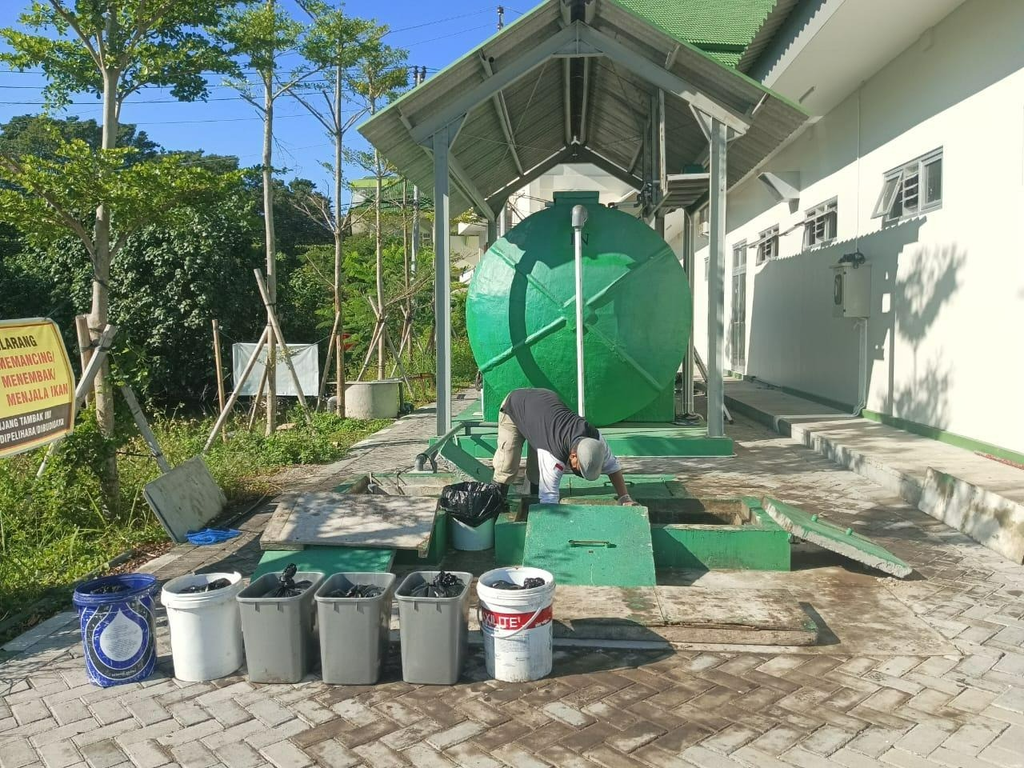
Within the integrated Sultan Agung educational and healthcare environment, wastewater treatment is supported by operational procedures and dedicated Wastewater Treatment Plants.

Institutional Guidelines for Wastewater Management
UNISSULA applies wastewater management standards that require wastewater generated from institutional activities to be appropriately managed before discharge.
The approach includes:
- Identification and separation of potentially hazardous liquid waste;
- Treatment of wastewater through appropriate wastewater-treatment systems;
- Monitoring of treated effluent;
- Compliance with applicable wastewater-quality standards; and
- Prevention of direct discharge that may cause environmental pollution.
The institutional wastewater-management framework is supported by operational procedures within the Sultan Agung educational and healthcare environment, where wastewater treatment facilities are used to manage wastewater generated from healthcare, laboratory, clinical, and supporting activities.
Wastewater Treatment Before Discharge
Wastewater generated from activities that may contain biological, chemical, or other contaminants is required to undergo appropriate treatment before being discharged.
Institutional waste-management procedures recognise liquid waste as one of the waste streams that requires specific environmental management.
Liquid waste can be treated through a dedicated Wastewater Treatment Plant, locally referred to as an Instalasi Pengolahan Air Limbah (IPAL).
This treatment process is intended to reduce biological and chemical hazards and prevent untreated wastewater from entering the surrounding environment.
Wastewater Quality Standards
UNISSULA’s wastewater-management approach requires treated wastewater to comply with applicable wastewater-quality standards before discharge.
The operational guidelines used within the Sultan Agung environment explicitly state that wastewater treated through a wastewater treatment installation must meet the applicable wastewater-quality standards established under environmental regulations.
This requirement ensures that wastewater discharge is controlled not only by treatment processes but also by measurable quality standards.
The principle applied is:
Wastewater generation → Treatment → Quality control → Compliant discharge
This approach helps reduce the risk of pollutants entering drainage systems, groundwater, rivers, or other receiving environments.
Effluent Monitoring
Wastewater management also includes monitoring of treated effluent.
Operational procedures require liquid effluent to be measured and recorded, while wastewater treated through IPAL facilities must comply with applicable wastewater-quality regulations.
Monitoring supports verification that treatment systems are functioning properly and that treated water remains within acceptable environmental limits before discharge.
The guidelines also refer to wastewater-quality standards for healthcare facilities when assessing effluent generated from treatment operations.
Wastewater Treatment at Sultan Agung Islamic Hospital
Implementation of UNISSULA’s environmental management approach can be seen at Sultan Agung Islamic Hospital, which operates a dedicated wastewater treatment installation.
The on-site IPAL facility includes a clearly documented treatment-flow system.
The facility processes wastewater through a sequence that includes:
Collection → Pretreatment → Equalisation → Biological treatment → Separation → Disinfection → Discharge
The wastewater streams shown on the facility’s treatment diagram include wastewater from kitchens and hospital buildings.
The treatment system also includes components such as:
- Grease traps;
- Equalisation tanks;
- Biofilter reactors;
- Biofilter separators;
- Disinfection units; and
- Controlled discharge channels.
The presence of this infrastructure demonstrates the practical implementation of wastewater-treatment requirements within the Sultan Agung environment.
Wastewater Treatment at Sultan Agung Dental and Oral Hospital
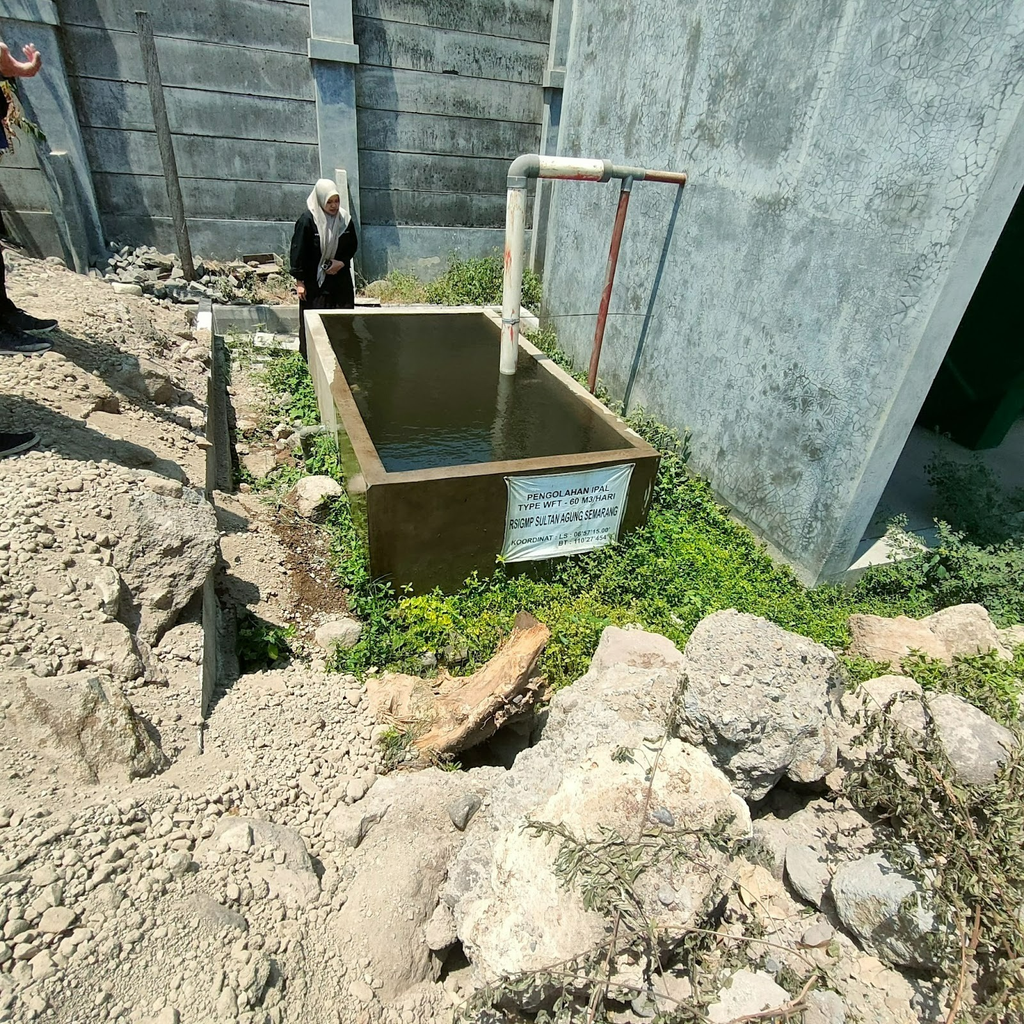
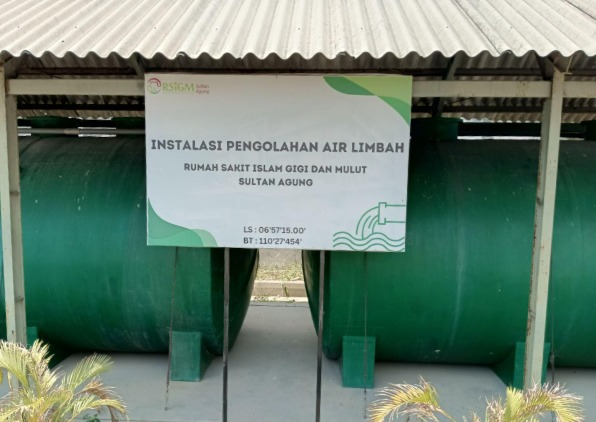
Wastewater-treatment infrastructure is also implemented at Sultan Agung Dental and Oral Hospital (RSIGM Sultan Agung).
RSIGM operates a dedicated Instalasi Pengolahan Air Limbah, providing treatment for wastewater generated from dental, clinical, laboratory, and supporting activities.
The existence of a dedicated wastewater-treatment facility at RSIGM demonstrates that wastewater management is applied across multiple healthcare facilities associated with the Sultan Agung educational environment.
This distributed wastewater-treatment approach helps ensure that potentially contaminated wastewater is treated close to its source before being released into the environment.
Management of Hazardous Liquid Waste
Wastewater management is supported by procedures for handling hazardous liquid waste.
Institutional operational guidelines recognise several potentially hazardous waste categories, including:
- Infectious waste;
- Chemical waste;
- Pharmaceutical waste;
- Heavy-metal waste;
- Laboratory waste; and
- Other hazardous materials.
These waste streams must be managed according to their characteristics and cannot simply be discharged directly into the environment.
For chemical waste, appropriate chemical treatment is identified as part of the required management process before liquid waste can enter the wastewater-management system.
This reduces the risk of hazardous substances contaminating water bodies or affecting aquatic organisms.
Pollution Prevention and Environmental Protection
The wastewater-management approach is intended to prevent environmental pollution and reduce risks to humans and other living organisms.
The operational guidelines state that hazardous waste must be managed to prevent negative impacts on:
- The environment;
- Human health; and
- Other living organisms.
The same framework also establishes the objective of preventing and controlling environmental pollution and damage caused by hazardous waste.
This makes water-quality protection part of a broader environmental-management system rather than a stand-alone technical process.
Protecting Aquatic Ecosystems and Human Health
Proper wastewater management is important because untreated or inadequately treated wastewater can affect:
- Surface water;
- Groundwater;
- Aquatic organisms;
- Soil quality;
- Surrounding communities; and
- Public health.
By requiring wastewater treatment, quality monitoring, and compliance with applicable discharge standards, UNISSULA contributes to protecting environmental quality and reducing potential harm to aquatic ecosystems.
The approach also supports safer management of wastewater from laboratories, healthcare facilities, kitchens, sanitation services, and other institutional activities.
Evidence of Implementation
- UNISSULA applies institutional wastewater-management practices that include treatment and control of liquid waste before discharge.
- Operational procedures recognise liquid waste as a waste stream that requires environmental management.
- Liquid waste can be treated through dedicated Wastewater Treatment Plants (IPAL).
- Wastewater treated through IPAL is required to meet applicable wastewater-quality standards.
- Effluent must be measured and recorded, and treated wastewater must comply with applicable wastewater-quality regulations.
- Wastewater-quality standards for healthcare facilities are referenced in operational procedures for effluent control.
- Sultan Agung Islamic Hospital operates a dedicated IPAL, supported by a documented treatment-flow system and on-site wastewater-treatment infrastructure.
- Sultan Agung Dental and Oral Hospital operates a dedicated IPAL, demonstrating wastewater-treatment implementation in another healthcare facility within the Sultan Agung environment.
- Hazardous liquid waste is subject to specific handling and treatment requirements, reducing the risk of inappropriate discharge into the environment.
14.4.2
Action Plan To Reducing Plastic Waste
14.4.2 Action Plan to Reduce Plastic Waste on Campus
Universitas Islam Sultan Agung (UNISSULA) implements an institutional action plan to reduce plastic waste across campus activities, services, procurement, and supporting operations.
The university’s approach focuses particularly on reducing single-use plastics, encouraging reusable alternatives, minimising plastic use in procurement and consumption activities, and extending these expectations to third-party service providers and suppliers.
This action plan supports a more sustainable campus environment by reducing unnecessary plastic consumption and encouraging practical alternatives that can be used repeatedly.
Institutional Action Plan for Plastic Waste Reduction
On 10 September 2025, UNISSULA issued Circular Letter No. 8411/J/SA/IX/2025 concerning the reduction of plastic use and the promotion of sustainable environmental management within the university.
The circular explicitly states that its purpose is to reduce plastic use and support sustainable environmental management at Universitas Islam Sultan Agung.
The action plan applies across university units and covers academic, administrative, student, service, procurement, and operational activities.
Reducing Single-Use Plastics
The university requires all units to reduce the use of plastic, particularly single-use plastic, in:
- Academic activities;
- Administrative activities;
- Meetings;
- Seminars;
- Student activities; and
- University services.
This requirement establishes plastic reduction as a campus-wide operational practice rather than a limited or one-time environmental campaign.
By applying the requirement to routine institutional activities, UNISSULA seeks to reduce the amount of disposable plastic entering the campus waste stream.
Promoting Reusable Alternatives
UNISSULA also encourages university units to replace disposable plastic products with reusable or environmentally preferable alternatives.
The circular specifically promotes the use of:
- Reusable food containers;
- Reusable drinking containers;
- Refillable bottles;
- Reusable bags; and
- Non-plastic packaging.
These measures are intended to reduce dependence on products that are used briefly and then discarded.
Encouraging refillable bottles and reusable food and drink containers also creates opportunities to prevent plastic waste at the source rather than managing it only after disposal.
Reducing Plastic Through Sustainable Procurement
Plastic reduction is also incorporated into university procurement and consumption practices.
The action plan directs university procurement and consumption activities to prioritise products that use as little plastic as possible. It also calls for avoiding single-use plastic products whenever more sustainable alternatives are available.
This means that plastic reduction is not limited to individual behaviour.
Procurement decisions can influence the quantity and type of materials entering the university environment and can reduce plastic waste before it is generated.
The university therefore applies a preventive approach:
Reduce unnecessary purchasing → Minimise plastic packaging → Choose reusable alternatives → Reduce plastic waste generation
Application to University Activities and Events
The action plan applies to a broad range of university activities.
Meetings, seminars, academic programmes, student activities, administrative services, and other institutional events are expected to reduce single-use plastic consumption.
In practice, this approach encourages organisers to consider reusable or lower-waste alternatives when providing:
- Drinking water;
- Food and refreshments;
- Event materials;
- Bags and packaging; and
- Other consumable items.
Integrating plastic reduction into regular university events helps make waste prevention part of routine institutional practice.
Extending Requirements to Third Parties and Suppliers
The plastic-reduction action plan also extends beyond university units.
The circular states that plastic-reduction requirements apply to:
- Outsourced service providers;
- Third parties;
- Suppliers within the UNISSULA supply chain; and
- Providers involved in construction contracts or other university works.
This broader scope is important because a significant proportion of materials entering a university campus may originate from external suppliers.
By extending plastic-reduction expectations to these parties, UNISSULA seeks to influence plastic use throughout its operational and procurement relationships.
Reducing Waste at the Source
The central principle of the action plan is waste prevention at source.
Rather than relying only on downstream waste collection, the university encourages units to reduce the amount of plastic entering campus activities in the first place.
This approach is based on several practical steps:
Avoid unnecessary single-use plastics → Choose reusable products → Reduce plastic packaging → Influence suppliers → Reduce waste generation
Source reduction can decrease the amount of waste requiring collection, transportation, sorting, recycling, or final disposal.
Supporting More Sustainable Consumption
The action plan also supports more sustainable consumption patterns within the university community.
The use of refillable bottles, reusable bags, reusable food containers, and alternative packaging can help students, staff, university units, and service providers develop practices that generate less disposable waste.
These measures connect individual behaviour with institutional procurement and operational decisions, creating a broader approach to plastic reduction across campus.
Campus-Wide Scope
Circular Letter No. 8411/J/SA/IX/2025 was addressed to faculty leaders, the Director of RSIGM, heads of bureaus, institutes, technical implementation units, organisational units, and administrative offices within Universitas Islam Sultan Agung.
This distribution demonstrates that the action plan has a broad institutional scope and is not limited to a single faculty or administrative unit.
The university-wide coverage supports consistent implementation across academic and non-academic operations.
Action Plan Established in 2025
The circular was formally issued on 10 September 2025 on behalf of the Rector by the Vice Rector I of UNISSULA.
Its issuance in 2025 establishes a formal institutional basis for continued plastic-waste reduction measures across the university.
Evidence of Implementation
- UNISSULA issued Circular Letter No. 8411/J/SA/IX/2025 on 10 September 2025, establishing an institutional action plan to reduce plastic use on campus.
- All university units are required to reduce plastic use, particularly single-use plastics, across academic, administrative, meeting, seminar, student, and service activities.
- University units are encouraged to use reusable and environmentally preferable alternatives, including reusable food and drink containers, refillable bottles, reusable bags, and non-plastic packaging.
- University procurement and consumption activities are directed to minimise plastic use and avoid single-use plastics where sustainable alternatives are available.
- Plastic-reduction requirements extend to outsourced services, third parties, suppliers, and providers working under university contracts.
- The circular applies across the university organisational structure, including faculties, bureaus, institutes, technical units, administrative units, and RSIGM.
14.4.3
Reducing Marine Pollution (Policy)
14.4.3 Policy on Preventing and Reducing Marine Pollution from Land-Based Activities
Universitas Islam Sultan Agung (UNISSULA) is committed to preventing and reducing marine and aquatic pollution originating from land-based activities.
In 2025, UNISSULA established an institutional policy that addresses major sources of pollution generated from campus and supporting activities, including solid waste, plastic waste, chemicals, hazardous waste, and wastewater.
The policy is designed to prevent pollutants from entering drainage systems, rivers, coastal areas, and other environments that may affect aquatic and marine ecosystems.
Institutional Policy on Marine Pollution Prevention
On 11 September 2025, UNISSULA issued Circular Letter No. 9014/J/SA/IX/2025 concerning the prevention and reduction of pollution of aquatic and marine environments originating from land-based activities.
The circular explicitly states that UNISSULA seeks to prevent and reduce pollution of waters and the sea arising from activities conducted on land within the university environment.
This establishes a clear institutional policy connecting campus activities with the protection of downstream aquatic and marine environments.
Preventing Direct Discharge of Pollutants
The policy requires all university units to prevent the direct disposal of:
- Solid waste;
- Plastic waste;
- Chemicals;
- Hazardous waste; and
- Wastewater
into water channels, rivers, coastal areas, or other environments where such materials may pollute aquatic and marine ecosystems.
This is important because pollution generated on land can be transported through drainage systems and waterways before eventually entering rivers, estuaries, and coastal waters.
By controlling pollution at its source, UNISSULA applies a preventive approach rather than relying only on downstream environmental remediation.
Reducing Plastic Pollution
Plastic waste is one of the important land-based pollution sources addressed through UNISSULA’s environmental policies.
In addition to the marine pollution policy, UNISSULA issued Circular Letter No. 8411/J/SA/IX/2025, requiring university units to reduce plastic use, particularly single-use plastics, in academic activities, administration, meetings, seminars, student activities, and university services.
The university also encourages reusable alternatives such as reusable food and drink containers, refillable bottles, reusable bags, and non-plastic packaging.
Procurement and consumption activities are also directed to minimise plastic use and avoid single-use plastic products where more sustainable alternatives are available.
These measures support the prevention of plastic waste that could otherwise enter drainage systems and aquatic environments.
Responsible Management of Hazardous Waste
UNISSULA also applies institutional requirements for the safe and responsible management of hazardous waste.
Circular Letter No. 8409/J/SA/IX/2025 requires safe management of hazardous waste, including medical, infectious, chemical, pharmaceutical, sharp-object, and laboratory waste.
Hazardous waste must be separated, labelled, stored, transported, and transferred according to its type and applicable requirements. The policy also explicitly prohibits hazardous waste from being mixed with domestic waste or discharged directly into the environment.
Final treatment and disposal must be conducted through authorised units or licensed waste-management providers, supported by documentation and records.
These measures reduce the risk that hazardous chemicals and other harmful materials contaminate soil, drainage systems, surface water, groundwater, or aquatic ecosystems.
Wastewater Treatment and Pollution Prevention
Wastewater management provides another important component of UNISSULA’s pollution-prevention approach.
Operational environmental guidelines within the Sultan Agung educational and healthcare environment recognise liquid waste as a waste stream that requires appropriate treatment.
Liquid waste can be treated through dedicated Wastewater Treatment Plants (Instalasi Pengolahan Air Limbah – IPAL) before discharge.
Wastewater treated through these systems is required to comply with applicable wastewater-quality standards.
Effluent must also be measured and recorded to support compliance with applicable environmental requirements.
This creates a practical pollution-control pathway:
Wastewater generation → Treatment → Monitoring → Compliance verification → Controlled discharge
Wastewater Treatment Infrastructure
Wastewater treatment is supported by dedicated infrastructure within the Sultan Agung educational and healthcare environment.
Sultan Agung Islamic Hospital operates a wastewater treatment installation with a documented treatment flow involving collection, pretreatment, equalisation, biological treatment, separation, disinfection, and controlled discharge.
Sultan Agung Dental and Oral Hospital (RSIGM Sultan Agung) also operates a dedicated wastewater treatment installation.
These facilities provide practical evidence that liquid waste is treated before discharge and that pollution prevention is supported by physical infrastructure in addition to institutional policy.
Extending Responsibility Beyond University Units
UNISSULA’s marine pollution policy also extends responsibility to external parties operating within or supporting the university environment.
The policy requires:
- University units;
- Service providers;
- Vendors; and
- Third parties
to support the reduction of single-use plastics, responsible waste management, and pollution-prevention measures for pollution originating from land-based activities.
This broad scope is important because waste and pollution can also be generated through outsourced services, procurement, construction, catering, maintenance, and other contracted activities.
Preventing Pollution at the Source
UNISSULA’s approach prioritises preventing pollution before it reaches aquatic environments.
The institutional framework combines several complementary measures:
Reduce plastic use → Separate and safely manage hazardous waste → Treat wastewater → Monitor effluent → Prevent direct discharge → Extend requirements to suppliers and third parties
This source-control approach helps reduce the movement of pollutants from land-based university activities into drainage systems, rivers, coastal areas, and marine ecosystems.
Protection of Aquatic and Marine Ecosystems
Land-based pollution can affect water quality and aquatic ecosystems through many pathways, including solid waste, plastics, chemicals, hazardous substances, and untreated wastewater.
UNISSULA’s policy addresses these risks by prohibiting direct discharge of potential pollutants into environments that can affect aquatic and marine ecosystems.
The wider environmental-management framework also aims to prevent pollution and environmental damage caused by hazardous waste.
Together, these measures support the protection of aquatic ecosystems, biodiversity, human health, and surrounding communities.
Policy Established in 2025
Circular Letter No. 9014/J/SA/IX/2025 was formally issued on 11 September 2025 on behalf of the Rector by the Vice Rector I of UNISSULA.
The policy therefore provides a formal institutional basis for marine and aquatic pollution prevention within the relevant period.
Evidence of Implementation
- UNISSULA issued Circular Letter No. 9014/J/SA/IX/2025 on 11 September 2025, establishing a policy to prevent and reduce aquatic and marine pollution from land-based activities.
- The policy explicitly prohibits direct disposal of waste, plastics, chemicals, hazardous waste, and wastewater into water channels, rivers, coastal areas, or environments that may pollute aquatic and marine ecosystems.
- The policy applies to university units, service providers, vendors, and third parties, extending environmental responsibility beyond internal university operations.
- UNISSULA separately requires reductions in single-use plastics and promotes reusable alternatives, helping prevent plastic pollution at source.
- Hazardous waste is required to be separated, labelled, stored, transported, and managed responsibly and may not be discharged directly into the environment.
- Wastewater can be treated through dedicated IPAL facilities before discharge.
- Treated wastewater is required to comply with applicable wastewater-quality standards, supporting protection of receiving environments.
- Effluent is subject to measurement and recording, providing an operational mechanism for monitoring discharge quality.
- Wastewater treatment infrastructure is implemented at Sultan Agung Islamic Hospital and Sultan Agung Dental and Oral Hospital, providing physical evidence of land-based pollution control within the Sultan Agung environment.
14.5.1
Minimizing Alteration Of Aquatic Ecosystems (Plan)
14.5.1 Plan to Minimise Physical, Chemical, and Biological Alterations of Aquatic Ecosystems
Universitas Islam Sultan Agung (UNISSULA) is committed to maintaining the sustainability of aquatic ecosystems associated with university activities.
In 2025, UNISSULA established an institutional plan to minimise physical, chemical, and biological alterations to related aquatic ecosystems. The plan addresses potential impacts on water flows, sedimentation, erosion, water quality, habitats, vegetation, biodiversity, and aquatic organisms.
This approach supports the protection of rivers, drainage systems, ponds, coastal areas, and other aquatic environments that may be affected directly or indirectly by university activities.
Institutional Plan for Aquatic Ecosystem Protection
On 11 September 2025, UNISSULA issued Circular Letter No. 9015/J/SA/IX/2025 concerning the sustainability of aquatic ecosystems related to university activities.
The circular explicitly states that UNISSULA establishes a plan to maintain the sustainability of aquatic ecosystems connected with university activities.
The plan is structured around three major areas of environmental protection:
Physical conditions → Chemical quality → Biological integrity
This framework ensures that aquatic ecosystem protection is considered from multiple environmental dimensions rather than only from a pollution-control perspective.
Minimising Physical Alterations
The first component of the plan requires all university units to minimise physical alterations to aquatic ecosystems.
The circular specifically addresses:
- Changes in water flow;
- Sedimentation;
- Erosion;
- Disturbance to drainage channels;
- Disturbance to rivers;
- Disturbance to ponds;
- Disturbance to coastal areas; and
- Disturbance to related habitats.
Physical alterations can affect the structure and functioning of aquatic ecosystems by changing water movement, sediment distribution, habitat availability, or shoreline conditions.
By explicitly addressing these risks, UNISSULA establishes preventive measures to reduce physical disturbance associated with institutional activities and supporting infrastructure.
Protecting Water Flow and Drainage Systems
Water movement is an important component of aquatic ecosystem health.
UNISSULA’s plan requires activities to avoid unnecessary changes to water flow and drainage systems that may influence downstream aquatic environments.
Maintaining appropriate water movement helps reduce risks such as:
- Excessive sedimentation;
- Erosion;
- Obstruction of drainage;
- Changes in water distribution; and
- Physical degradation of aquatic habitats.
This preventive approach is particularly relevant in urban and coastal environments where changes to drainage and surface water movement can affect rivers, wetlands, and downstream coastal ecosystems.
Minimising Chemical Alterations
The second component of the plan focuses on preventing chemical changes to water quality.
UNISSULA requires institutional activities to prevent chemical alteration of aquatic environments through proper management of:
- Wastewater;
- Chemicals;
- Hazardous waste; and
- Other potential pollution sources.
These materials must be managed in accordance with applicable quality standards and environmental requirements.
This approach is intended to prevent changes in water chemistry that could affect aquatic organisms, ecosystem functions, and human health.
Wastewater Treatment and Water Quality Protection
The chemical-protection component is supported by wastewater-management practices within the Sultan Agung educational and healthcare environment.
Liquid waste can be treated through dedicated Wastewater Treatment Plants (Instalasi Pengolahan Air Limbah – IPAL) before discharge.
Wastewater treated through these facilities is required to comply with applicable wastewater-quality standards.
Effluent is also subject to measurement and recording to support compliance with environmental requirements.
These measures help reduce the risk of chemical changes to receiving aquatic environments.
Hazardous Waste Management
UNISSULA’s environmental management framework also supports the prevention of chemical contamination through responsible hazardous-waste management.
Hazardous wastes must be separated, labelled, stored, transported, and managed according to their characteristics and applicable requirements. Direct discharge of hazardous waste into the environment is prohibited.
This provides an additional layer of protection against contamination of surface water, groundwater, drainage systems, and related aquatic environments.
Minimising Biological Alterations
The third component of the plan addresses biological conditions within aquatic ecosystems.
UNISSULA requires university activities to support the protection of:
- Aquatic habitats;
- Vegetation;
- Biodiversity; and
- Aquatic organisms.
Activities should avoid actions that may disturb aquatic organisms or degrade the biological integrity of related ecosystems.
This requirement recognises that aquatic ecosystem protection is not limited to water chemistry. Healthy ecosystems also depend on maintaining habitat structure, vegetation, species diversity, and ecological relationships.
Protecting Habitats and Biodiversity
Aquatic habitats provide essential conditions for plants, animals, and other organisms.
UNISSULA’s plan therefore connects institutional environmental management with habitat and biodiversity protection.
The biological component encourages activities to avoid unnecessary disturbance to aquatic organisms and to maintain vegetation and habitat conditions that support ecological functions.
This is particularly important for aquatic environments that may already be under pressure from urbanisation, pollution, land-use change, or climate-related impacts.
Supporting Research on Ecosystem Resilience
UNISSULA’s ecosystem-protection plan is complemented by research on aquatic and coastal environments.
In 2025, UNISSULA researchers contributed to work on Nature-Based Solutions in Sayung, Demak, addressing climate-related pressures in a vulnerable coastal environment.
Public evidence:
https://doi.org/10.1088/1755-1315/1543/1/012041
UNISSULA researchers also contributed to research on environmental DNA in river water, supporting assessment of biodiversity, water quality, and ecosystem health.
Public evidence:
https://doi.org/10.1088/1755-1315/1543/1/012045
These research activities complement the institutional plan by strengthening scientific understanding of aquatic ecosystem conditions and environmental pressures.
Supporting Research on Mangrove Ecosystems
Additional UNISSULA research in 2025 examined coastal and mangrove ecosystems in Semarang.
Research in the Tapak mangrove area addressed environmental management, biodiversity, ecosystem degradation, and community participation.
Public evidence:
https://jurnal.unissula.ac.id/index.php/kr/article/download/44112/12346
Research at Mangrove Edupark Tambakrejo also examined community participation and mangrove ecosystem management.
Public evidence:
https://repository.unissula.ac.id/46641
These studies provide supporting knowledge on how coastal habitats can be maintained under environmental pressure.
Preventing Land-Based Impacts on Aquatic Ecosystems
UNISSULA’s aquatic ecosystem plan is also supported by its policy on preventing pollution from land-based activities.
Circular Letter No. 9014/J/SA/IX/2025 requires university units to prevent direct disposal of waste, plastics, chemicals, hazardous waste, and wastewater into water channels, rivers, coastal areas, or environments that may pollute aquatic ecosystems.
This policy complements the 14.5.1 plan by addressing pollution pathways that could lead to chemical or biological alterations in aquatic environments.
Integrated Approach to Aquatic Ecosystem Protection
UNISSULA’s plan combines several complementary actions:
Physical protection → Water-quality protection → Pollution prevention → Habitat protection → Biodiversity protection
The physical dimension addresses water flow, sedimentation, erosion, and habitat disturbance.
The chemical dimension addresses wastewater, chemicals, hazardous waste, and other pollutants.
The biological dimension addresses habitat, vegetation, biodiversity, and aquatic organisms.
Together, these components establish a comprehensive framework for minimising alterations to aquatic ecosystems associated with university activities.
Evidence of Implementation
- UNISSULA issued Circular Letter No. 9015/J/SA/IX/2025 on 11 September 2025, establishing an institutional plan to protect the sustainability of aquatic ecosystems related to university activities.
- The plan explicitly addresses physical alterations, including changes in water flow, sedimentation, erosion, and disturbance to drainage systems, rivers, ponds, coastal areas, and related habitats.
- The plan addresses chemical alterations through the management of wastewater, chemicals, hazardous waste, and other pollution sources in accordance with applicable standards.
- The plan addresses biological alterations through protection of habitats, vegetation, biodiversity, and aquatic organisms.
- Wastewater can be treated through dedicated IPAL facilities, supporting prevention of chemical changes to receiving waters.
- Treated wastewater is required to comply with applicable wastewater-quality standards.
- Hazardous waste may not be discharged directly into the environment and must be managed through appropriate procedures.
- UNISSULA’s policy on land-based pollution prevention prohibits potential pollutants from being directly discharged into aquatic environments.
- Research on Sayung, river ecosystem health, Tapak, and Tambakrejo provides supporting scientific knowledge on coastal and aquatic ecosystem resilience and biodiversity.
14.5.2
Monitoring The Health Of Aquatic Ecosystems
14.5.2 Monitoring the Health of Aquatic Ecosystems
Universitas Islam Sultan Agung (UNISSULA) monitors the condition of aquatic ecosystems associated with the university through direct water-quality measurements and environmental observation.
In 2025, monitoring was carried out at the UNISSULA campus lake, an aquatic environment located within the university area. The monitoring uses water-quality measurement equipment to observe physicochemical parameters that can indicate changes in aquatic environmental conditions.
This activity supports the university’s broader commitment to maintaining aquatic ecosystem quality and identifying changes that may require environmental management action.
Direct Monitoring of the UNISSULA Campus Lake
The UNISSULA campus lake serves as a local aquatic ecosystem within the university environment.
Direct monitoring of the lake is conducted to observe water conditions and provide information that can support the maintenance of water quality and the ecological condition of the aquatic environment.
The monitoring process includes direct observation of the water body and measurement using a digital multi-parameter water-quality meter.
Photographic documentation from 2025 shows the campus lake as the monitoring location and the equipment used for water-quality measurement.
Water Quality Parameters
UNISSULA uses a multi-parameter water-quality monitoring device capable of measuring several physicochemical characteristics of water.
The monitored parameters include:
- pH;
- Water temperature;
- Electrical conductivity (EC);
- Salinity; and
- Related dissolved-solids and water-condition indicators.
These parameters are useful for identifying changes in water conditions that may influence aquatic organisms and ecosystem functions.
Rather than relying only on visual observation, the monitoring provides measurable information about the condition of the campus aquatic environment.
pH Monitoring
pH is one of the parameters monitored in the UNISSULA campus lake.
Photographic documentation of the monitoring equipment shows a recorded pH value of approximately 6.27, together with a temperature reading of approximately 23.8°C during a documented measurement.
The purpose of recording pH is to observe changes in water chemistry over time and identify conditions that may require further investigation or environmental management.
The recorded value is treated as monitoring data rather than, by itself, as a complete determination of overall ecosystem health.
Temperature Monitoring
Water temperature is another important parameter monitored because temperature changes can influence aquatic organisms, dissolved oxygen dynamics, biological processes, and other characteristics of aquatic environments.
Digital monitoring documentation also shows temperature data being recorded through the connected monitoring interface.
The monitoring system can display current temperature values and configurable high- and low-temperature thresholds, supporting continued observation of changing water conditions.
Electrical Conductivity and Salinity
The digital monitoring system also records electrical conductivity and salinity.
A documented monitoring interface displays values for:
- Temperature;
- Electrical conductivity;
- Salt concentration; and
- Specific gravity.
Electrical conductivity provides information related to the concentration of dissolved ions in water, while salinity measurements help identify changes in dissolved salt conditions.
Monitoring these parameters together with pH and temperature provides a broader picture of physicochemical conditions within the aquatic environment.
Digital Water Quality Monitoring
The monitoring system is supported by a digital interface that allows water-quality measurements to be viewed electronically.
The documented interface demonstrates that water monitoring is not limited to manual visual inspection. Water-condition data can be recorded and displayed through a connected monitoring system.
This approach supports more systematic observation of environmental conditions and provides data that can be compared across monitoring periods.
Supporting Aquatic Ecosystem Management
Water-quality monitoring is an important component of aquatic ecosystem management because changes in physicochemical conditions may indicate emerging environmental pressures.
UNISSULA uses monitoring information to support:
Measurement → Observation of change → Environmental evaluation → Management response
This approach enables the university to identify changes in water conditions before they develop into larger environmental problems.
Monitoring also complements the university’s institutional plan to minimise physical, chemical, and biological alterations of aquatic ecosystems. That plan addresses water quality, habitats, vegetation, biodiversity, and aquatic organisms.
Connection with Wastewater and Pollution Control
Aquatic ecosystem monitoring is supported by wider pollution-prevention measures within the university environment.
UNISSULA requires the prevention of direct discharge of waste, plastics, chemicals, hazardous waste, and wastewater into water channels or environments that may affect aquatic ecosystems.
Wastewater treatment and pollution-control practices therefore complement direct monitoring of the campus lake.
Together, prevention and monitoring provide two complementary approaches:
Prevent pollutants from entering aquatic environments → Monitor aquatic conditions to identify environmental change
Protecting the Campus Aquatic Environment
Monitoring the UNISSULA campus lake supports the university’s efforts to maintain a stable and environmentally responsible campus aquatic ecosystem.
Regular observation of pH, temperature, conductivity, salinity, and related indicators can help identify changes associated with:
- Pollution;
- Altered water chemistry;
- Changes in dissolved substances;
- Temperature fluctuations; and
- Other environmental pressures.
Monitoring information can then support decisions regarding water management, pollution prevention, and further environmental assessment when necessary.
Evidence of Implementation
- UNISSULA conducted direct monitoring of the campus lake in 2025 as an aquatic ecosystem associated with the university.
- The monitoring uses a digital multi-parameter water-quality meter capable of measuring pH, temperature, electrical conductivity, salinity, and related water-quality characteristics.
- Photographic documentation shows direct water-quality measurement equipment used for the monitoring activity.
- A documented measurement recorded a pH of approximately 6.27 and a water temperature of approximately 23.8°C.
- A digital monitoring interface records additional parameters including temperature, electrical conductivity, salt concentration, and specific gravity.
- The campus lake itself is documented as the aquatic ecosystem being monitored, providing clear physical evidence of the monitoring location.
- Monitoring is supported by an institutional plan to protect the physical, chemical, and biological condition of aquatic ecosystems associated with university activities.
- Pollution-prevention measures complement monitoring by restricting direct discharge of waste, chemicals, plastics, hazardous materials, and wastewater into aquatic environments.
14.5.3
Programs Towards Good Aquatic Stewardship Practices
14.5.3 UNISSULA Campus Aquatic Stewardship Programme
Universitas Islam Sultan Agung (UNISSULA) develops and supports an ongoing aquatic stewardship programme to maintain the quality and sustainability of aquatic ecosystems associated with the university.
A central component of this programme is the UNISSULA campus lake, which is maintained on a regular six-month cycle. The programme combines routine physical maintenance, water-quality monitoring, pollution prevention, and institutional environmental practices designed to protect the physical, chemical, and biological condition of the aquatic environment.
Through this continuing programme, UNISSULA encourages responsible management of campus water resources and promotes good aquatic stewardship as part of regular university environmental management.
Ongoing Maintenance of the UNISSULA Campus Lake
UNISSULA conducts routine maintenance of the campus lake every six months.
The regular maintenance schedule demonstrates that aquatic ecosystem management is not conducted only as a one-time environmental activity. Instead, the university maintains an ongoing programme for the care of the lake and its surrounding environment.
Routine maintenance supports the continued ecological and environmental function of the campus water body by helping to maintain appropriate physical conditions and preventing deterioration of the aquatic environment.
The six-month maintenance cycle also provides an opportunity to identify changes in the lake condition and determine whether additional maintenance or environmental management measures are necessary.
Water Quality Monitoring
Aquatic stewardship at the campus lake is supported by direct water-quality monitoring.
UNISSULA uses digital multi-parameter water-quality equipment to observe several physicochemical characteristics of the lake water, including:
- pH;
- temperature;
- electrical conductivity;
- salinity; and
- related dissolved-solids and water-condition indicators.
Monitoring provides measurable information that can be used to observe changes in water conditions over time.
Documented measurements include a pH reading of approximately 6.27 and temperature measurements, while the digital monitoring interface also provides information on conductivity, salt concentration, and related parameters.
These measurements support more informed management of the campus aquatic environment.
Combining Monitoring and Maintenance
The campus aquatic stewardship programme integrates environmental monitoring with routine maintenance.
The approach can be described as:
Monitor water conditions → Observe environmental change → Conduct routine maintenance → Prevent pollution → Maintain the aquatic environment
This combination is important because aquatic stewardship requires both observation and practical management.
Monitoring helps identify changes, while routine maintenance helps maintain the environmental condition of the water body and its surrounding area.
Institutional Plan for Aquatic Ecosystem Protection
The ongoing programme is supported by UNISSULA’s institutional plan for minimising physical, chemical, and biological alterations to aquatic ecosystems.
Circular Letter No. 9015/J/SA/IX/2025 establishes measures to protect aquatic ecosystems associated with university activities.
For physical conditions, university units are required to minimise changes in water flow, sedimentation, erosion, and disturbance to water channels, rivers, ponds, coastal areas, and related habitats.
For chemical conditions, activities must prevent changes in water quality through responsible management of wastewater, chemicals, hazardous waste, and other pollution sources.
For biological conditions, university activities are expected to protect habitats, vegetation, biodiversity, and aquatic organisms.
These institutional measures provide a framework for the ongoing stewardship of the campus lake.
Pollution Prevention as Part of Aquatic Stewardship
Good aquatic stewardship also requires preventing pollutants from entering aquatic environments.
UNISSULA’s institutional pollution-prevention policy requires university units to prevent the direct disposal of waste, plastics, chemicals, hazardous waste, and wastewater into water channels, rivers, coastal areas, or environments that could pollute aquatic ecosystems.
The policy also extends responsibility to service providers, vendors, and third parties supporting university activities.
These measures complement routine lake maintenance by reducing environmental pressure from land-based activities.
Plastic Waste Reduction
UNISSULA also supports aquatic stewardship by reducing potential sources of plastic pollution.
The university requires its units to reduce plastic use, particularly single-use plastics, across academic activities, administration, meetings, seminars, student activities, and university services.
Reusable alternatives such as refillable bottles, reusable food and drink containers, reusable bags, and non-plastic packaging are encouraged.
Reducing plastic at source helps lower the risk of waste reaching drains, water channels, and aquatic environments.
Institutional Support for Aquatic Stewardship
UNISSULA supports the programme through several practical mechanisms.
The university provides a recurring maintenance schedule for the campus lake, water-quality monitoring equipment, institutional environmental policies, pollution-prevention requirements, and operational support for maintaining the aquatic environment.
This institutional support encourages responsible environmental practices by university units and helps maintain aquatic stewardship as a continuing campus activity.
The recurring six-month maintenance cycle is particularly important because it demonstrates continuity rather than occasional environmental action.
Stewardship of a Local Aquatic Ecosystem
The UNISSULA campus lake is directly associated with the university and therefore represents an important local aquatic ecosystem for environmental management.
Its stewardship provides an opportunity to integrate:
Maintenance + Monitoring + Pollution Prevention + Environmental Responsibility
within the university’s own physical environment.
The lake also provides a practical setting for increasing awareness among students, staff, and university units about the importance of maintaining water quality and protecting aquatic environments.
Evidence of Implementation
- UNISSULA conducts routine maintenance of the campus lake every six months, demonstrating an ongoing aquatic stewardship programme rather than a one-time activity.
- The university conducts direct water-quality monitoring of the campus lake using digital multi-parameter monitoring equipment.
- Monitoring includes pH, temperature, electrical conductivity, salinity, and related water-quality indicators, providing measurable information on aquatic environmental conditions.
- Photographic documentation records the campus lake, the water-quality monitoring equipment, and the digital monitoring interface used in the programme.
- UNISSULA maintains an institutional plan to minimise physical alterations to aquatic ecosystems, including impacts associated with water flow, sedimentation, erosion, and habitat disturbance.
- The institutional plan addresses chemical alterations through management of wastewater, chemicals, hazardous waste, and other pollution sources.
- The plan also protects biological conditions, including habitat, vegetation, biodiversity, and aquatic organisms.
- UNISSULA prohibits direct disposal of pollutants into aquatic environments, supporting continued protection of the campus water environment.
- Plastic-reduction measures further support aquatic stewardship by reducing potential land-based sources of water pollution.
14.5.4
Collaboration For Shared Aquatic Ecosystems
14.5.4 Collaboration with Local Communities to Maintain Shared Aquatic Ecosystems
Universitas Islam Sultan Agung (UNISSULA) supports the maintenance of shared aquatic and coastal ecosystems through collaboration with local communities, environmental organisations, student groups, and other stakeholders.
In 2025, UNISSULA participated in coastal stewardship activities in Mangkang and Tambakrejo, Semarang, while university research also documented community-based management practices in the mangrove ecosystems of Tapak and Tambakrejo. These activities support the protection of coastal habitats that are shared by local residents, fishing communities, aquatic organisms, and other users of the coastal environment.
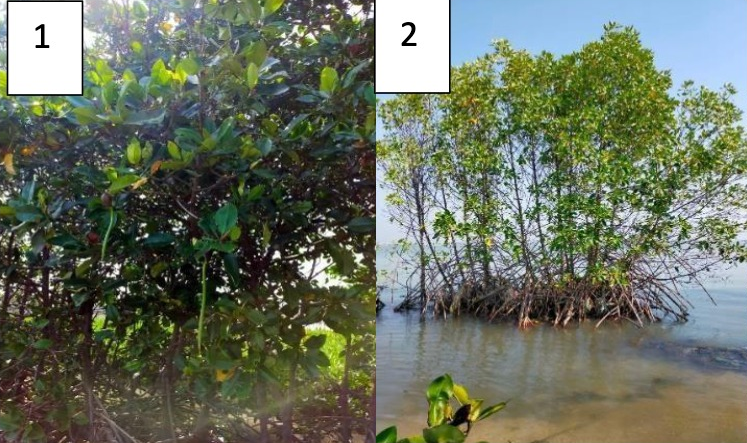
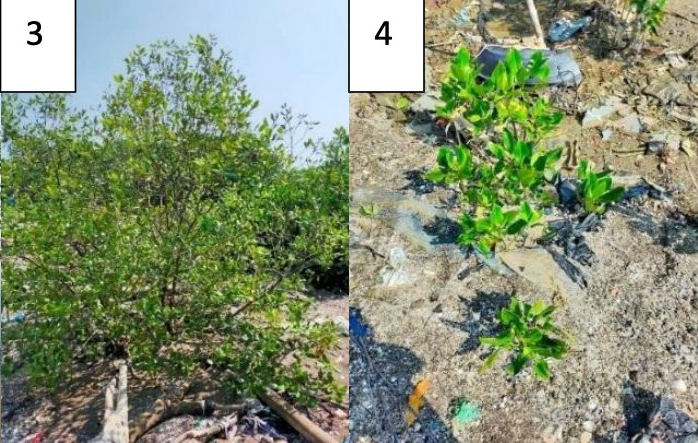

Community-Oriented Mangrove Stewardship in Mangkang
In 2025, students from the Faculty of Industrial Technology (FTI) UNISSULA conducted a community-oriented environmental activity in Mangkang, Semarang, as part of the Student Management Skills Training programme.
Approximately 70 students participated in the programme. On the third day, participants travelled to Mangkang for a community-service activity involving mangrove planting along the coastline. The planting site was reached through the coastal area, and participants returned to a nearby fishing-community settlement after completing the activity. Faculty of Technology and Informatics
Public evidence:
https://fti.unissula.ac.id/kegiatan-lkmm-bagi-mahasiswa-angkatan-2025
The activity demonstrates direct university involvement in maintaining a local coastal ecosystem located within a community environment.
Mangrove planting contributes to coastal ecosystem stewardship by supporting shoreline stability, habitat functions, and the resilience of coastal areas exposed to environmental pressure.
Collaboration in the Tambakrejo Coastal Restoration Programme
A particularly strong example of community collaboration occurred on 27 July 2025 at the coastal fishing village of Tambakrejo, Semarang.
The coastal restoration activity was organised by WALHI Central Java together with Kelompok Mangrove Nusantara and Ikatan Remaja Tambakrejo. The collaboration also involved several organisations, including Fikomedia Unissula, alongside foundations, environmental students, volunteers, and other community groups.
Fikomedia is a student organisation within UNISSULA’s Faculty of Communication.
Public evidence:
Mangrove Planting with Residents, Youth, Students, and Volunteers
The Tambakrejo restoration programme brought together 60 participants consisting of residents, young people, students, and volunteers.
During the activity, participants planted 1,200 Rhizophora mangrove seedlings along the Tambakrejo coast. The seedlings were provided through contributions from WALHI Central Java, the provincial environmental authority, and volunteers.
The activity was designed not only as a planting programme but also as an effort to strengthen collective awareness of the importance of protecting the coastal ecosystem that supports the social and economic life of the local fishing community.
This provides a clear example of university participation alongside local residents and community organisations in maintaining a shared aquatic and coastal ecosystem.
Strengthening Community-Led Coastal Stewardship
The Tambakrejo activity also marked the establishment of Kelompok Mangrove Nusantara, a local initiative involving residents and young people focused on the protection and restoration of the coastal environment.
A mangrove planting map was also launched to provide documentation and strategic direction for future mangrove planting.
This strengthens the long-term dimension of the activity because ecosystem maintenance is linked with local organisational capacity and future restoration planning.
UNISSULA’s participation alongside local community organisations contributes to a model of stewardship in which the university supports rather than replaces community leadership.
Community-Based Management of the Tapak Mangrove Ecosystem
UNISSULA also contributes academic knowledge to community-based coastal management.
A study published in 2025 in UNISSULA’s Jurnal Kajian Ruang examined community participation in managing the mangrove ecotourism area of Tapak Village, Tugurejo, Semarang.
The study identifies mangroves as important for preventing abrasion, supporting biodiversity, and neutralising pollutants. It also records environmental pressures including reclamation and industrial pollution.
Public evidence:
https://jurnal.unissula.ac.id/index.php/kr/article/view/44112
Local Community Participation in Tapak
The Tapak research found that local residents participate in environmental management, tourism operations, and educational programmes.
Their participation reached the partnership level, where communities influence decision-making with support from government. The study also highlights training and partnership schemes as mechanisms that can strengthen sustainable community-based ecosystem management.
This research provides additional evidence that maintaining local coastal ecosystems depends on active relationships among communities, institutions, government, and other stakeholders.
Full research:
https://jurnal.unissula.ac.id/index.php/kr/article/download/44112/12346
Community Participation in Mangrove Edupark Tambakrejo
UNISSULA’s 2025 research also examined Mangrove Edupark Tambakrejo and community participation in its management.
The study identifies the mangrove area as an important resource for protecting communities on the northern coast of Semarang from abrasion and tidal waves, while also supporting local economic and tourism activities. Unissula Repository
Public evidence:
https://repository.unissula.ac.id/46641
The study explicitly highlights the importance of involving local communities in the management and development of the area and in maintaining mangrove diversity. Unissula Repository
This provides supporting academic evidence for the community-based stewardship approach demonstrated through direct coastal activities.
Shared Responsibility for Coastal Ecosystems
Mangrove and coastal ecosystems are shared environmental resources.
Their ecological functions benefit both natural systems and surrounding communities through:
- Shoreline protection;
- Reduction of coastal erosion;
- Habitat provision;
- Biodiversity support;
- Fisheries-related ecological functions; and
- Increased resilience to coastal hazards.
Maintaining these benefits requires cooperation among universities, residents, young people, fishing communities, government institutions, environmental organisations, and other stakeholders.
UNISSULA contributes to this shared responsibility through direct environmental activities, student participation, community collaboration, and research supporting community-based ecosystem management.
Linking Community Engagement with Ecosystem Maintenance
UNISSULA’s 2025 activities demonstrate complementary forms of engagement.
In Mangkang, FTI students participated directly in mangrove planting within a local fishing-community environment.
In Tambakrejo, Fikomedia Unissula joined a multi-stakeholder coastal restoration initiative involving residents, local youth, environmental organisations, students, and volunteers, resulting in the planting of 1,200 mangrove seedlings.
Research in Tapak and Tambakrejo further supports understanding of how community participation contributes to sustainable mangrove management.
Together, these activities connect:
University participation → Local-community collaboration → Ecosystem restoration and management → Shared coastal stewardship
Evidence of Implementation
- FTI UNISSULA students conducted a community-service mangrove planting activity in the Mangkang coastal area in 2025, directly contributing to stewardship of a local coastal ecosystem near a fishing settlement.
- Fikomedia Unissula participated in the 2025 Tambakrejo Coastal Restoration programme, together with local community organisations, environmental groups, students, and volunteers.
- The Tambakrejo collaboration involved residents, young people, students, and volunteers and resulted in the planting of 1,200 Rhizophora mangrove seedlings.
- The programme supported a local community initiative, Kelompok Mangrove Nusantara, focused on coastal protection and restoration, strengthening community capacity for continued ecosystem stewardship.
- UNISSULA’s 2025 Tapak research documented community participation in environmental management and educational programmes at a local mangrove ecosystem, with participation reaching partnership level.
- UNISSULA’s 2025 Tambakrejo research documented the importance of local-community participation in mangrove management and the maintenance of mangrove diversity.
14.5.5
Watershed Management Strategy
14.5.5 UNISSULA Campus Lake and Catchment Management Strategy Based on Local Aquatic Biodiversity
Universitas Islam Sultan Agung (UNISSULA) implements a location-specific strategy for managing the campus lake and its associated water catchment environment.
The strategy integrates the management of water flow, sedimentation and erosion, water quality, pollution prevention, routine lake maintenance, habitat protection, vegetation, biodiversity, and aquatic organisms.
This approach recognises that maintaining an aquatic ecosystem requires more than managing the water body itself. The physical characteristics of the surrounding catchment, the chemical quality of the water, and the biological communities living within the ecosystem are managed as interconnected components.
By 2025, these principles had been incorporated into UNISSULA’s institutional aquatic ecosystem management framework and implemented through recurring lake maintenance, direct water-quality monitoring, pollution-prevention measures, and management of aquatic biodiversity documented within the campus lake.
Location-Specific Aquatic Ecosystem
The UNISSULA campus lake is the primary local aquatic ecosystem covered by this management approach.
As a water body located within the university environment, the lake interacts with surrounding drainage, water flow, vegetation, land surfaces, and university activities.
For this reason, UNISSULA manages the lake together with the environmental conditions that may affect water entering, leaving, or accumulating within the aquatic ecosystem.
The management strategy therefore considers the lake as part of a wider campus water catchment system, rather than treating it only as an isolated body of water.
Institutional Framework for Catchment Management
UNISSULA formalised its approach to aquatic ecosystem management through Circular Letter No. 9015/J/SA/IX/2025.
The institutional framework requires university units to minimise physical alterations to aquatic environments, including changes associated with:
- Water flow;
- Sedimentation;
- Erosion;
- Water channels;
- Rivers;
- Ponds;
- Coastal environments; and
- Associated habitats.
The same framework also requires the protection of water quality and biological conditions within aquatic ecosystems.
These provisions establish an integrated basis for managing both the physical catchment and ecological condition of aquatic environments associated with the university.
Managing Water Flow, Sedimentation, and Erosion
Physical management is an important component of the campus lake strategy.
Changes in drainage, sediment movement, erosion, or water flow can influence lake depth, water quality, habitat availability, and the organisms living within the ecosystem.
UNISSULA therefore requires activities to minimise disturbances to water flow, sedimentation, erosion, water channels, ponds, and associated aquatic habitats.
This enables catchment management to be connected directly with the protection of the aquatic ecosystem.
Management Based on Local Aquatic Biodiversity
UNISSULA’s strategy also considers the aquatic organisms documented within the campus lake.
The lake has documented management activities involving tawes and nila fish, carried out in cooperation with the Semarang City Fisheries Service.
A biodiversity-support activity involving 10,000 tawes and nila fingerlings was conducted in the UNISSULA lake environment to support the sustainability and ecological balance of the lake ecosystem.
This activity provides documented evidence of aquatic species specifically associated with the local water body and demonstrates that biological considerations form part of lake management.
Public evidence:
https://unissula.ac.id/blog/peringati-hari-bumi-kedokteran-unissula-tebar-10-000-benih-ikan
The tawes and nila are presented as documented aquatic species managed within the UNISSULA campus lake, rather than being described as endemic or protected species.
Continuity of Biodiversity Management
The documented aquatic-species activity forms part of a broader and continuing approach to maintaining the campus lake.
Its importance lies not only in the individual activity, but in demonstrating that UNISSULA had already incorporated aquatic organisms and ecological balance into management of the lake before the institutional framework was strengthened in 2025.
By 2025, aquatic biodiversity protection had been explicitly incorporated into the university’s institutional management framework.
Circular Letter No. 9015/J/SA/IX/2025 requires university activities to protect:
Habitats, vegetation, biodiversity, and aquatic organisms.
This connects previously documented species management with the university’s continuing ecosystem-management strategy.
Routine Maintenance Every Six Months
Implementation of the strategy includes routine maintenance of the UNISSULA campus lake every six months.
The recurring maintenance schedule provides a practical mechanism for maintaining the physical condition of the lake and its surrounding environment.
Routine maintenance enables the university to observe and address conditions such as accumulated material, changes around the lake environment, and other physical conditions that could affect water quality or habitat function.
The six-month cycle demonstrates that lake management is a continuing institutional practice rather than a one-time environmental activity.
Water-Quality Monitoring
The management strategy is supported by direct monitoring of the physicochemical condition of the campus lake.
UNISSULA uses a digital multi-parameter water-quality meter to monitor indicators including:
- pH;
- Water temperature;
- Electrical conductivity;
- Salinity; and
- Related water-quality parameters.
Monitoring equipment and its digital interface provide measurable information on changes in water conditions.
A documented measurement, for example, recorded a pH value of approximately 6.27, together with temperature data.
These measurements are used as environmental monitoring information and are considered together with other observations rather than being treated individually as a complete assessment of ecological health.
Connecting Water Quality and Aquatic Species
Water quality is directly relevant to the organisms living within the campus lake.
Changes in pH, temperature, conductivity, salinity, pollution levels, or other physicochemical conditions may affect aquatic organisms and habitat suitability.
UNISSULA therefore combines biodiversity management with water-quality monitoring.
The management sequence can be described as:
Identify the aquatic ecosystem and organisms → Monitor water conditions → Maintain the lake and catchment → Reduce physical and chemical disturbance → Protect habitat and biodiversity
This creates a direct connection between catchment management and the biological condition of the local aquatic ecosystem.
Prevention of Chemical Alteration
The institutional strategy also addresses chemical pressures on aquatic environments.
University activities are required to prevent changes in water quality through responsible management of:
Wastewater, chemicals, hazardous waste, and other pollution sources.
Protecting the chemical condition of water is particularly important for maintaining aquatic biodiversity because the biological condition of the lake depends on suitable environmental conditions.
Pollution Prevention Within the Catchment
UNISSULA also implements wider pollution-prevention measures to reduce potential contamination from activities surrounding aquatic environments.
Circular Letter No. 9014/J/SA/IX/2025 requires university units to prevent direct disposal of waste, plastics, chemicals, hazardous waste, and wastewater into water channels, rivers, coastal areas, or other environments that could pollute aquatic ecosystems.
The requirements also apply to service providers, vendors, and third parties operating within the university environment.
These controls reduce potential land-based pressures within the wider water catchment and complement direct lake management.
Protection of Habitat and Vegetation
Aquatic species cannot be managed independently of their habitat.
UNISSULA’s institutional framework therefore explicitly requires protection of:
Habitat, vegetation, biodiversity, and aquatic organisms.
Vegetation and habitat surrounding aquatic environments can contribute to ecological stability, reduce physical disturbance, and provide environmental conditions that support aquatic organisms.
The management strategy therefore combines species considerations with protection of the broader ecosystem.
Integrated Physical, Chemical, and Biological Management
The UNISSULA approach integrates three main dimensions.
Physical management includes water flow, sedimentation, erosion, drainage and water channels, lake conditions, and associated habitats.
Chemical management includes water-quality monitoring, wastewater control, chemical management, hazardous-waste management, and pollution prevention.
Biological management includes habitat, vegetation, biodiversity, and aquatic organisms documented within the local ecosystem.
All three dimensions are incorporated into the institutional aquatic ecosystem framework in place by 2025.
Together, they provide an integrated management strategy for the campus lake and its associated catchment.
Location-Specific Management Approach
The strategy is specifically connected with conditions found at the UNISSULA campus lake.
The location has:
- A defined water body;
- Documented aquatic organisms;
- Surrounding vegetation and habitat;
- Measurable physicochemical water conditions; and
- A recurring maintenance programme.
Management actions are therefore linked to the characteristics of the actual ecosystem rather than being applied only as general environmental principles.
The relationship can be expressed as:
UNISSULA campus catchment → Campus lake → Water conditions → Habitat → Local aquatic organisms → Management and monitoring
This location-specific approach provides the basis for maintaining the ecological function of the campus aquatic environment.
Adaptive Management of the Campus Lake
The strategy follows an adaptive management approach.
Environmental conditions are observed through monitoring, while routine maintenance provides opportunities for practical intervention.
Institutional requirements relating to water flow, sedimentation, erosion, water quality, habitat, biodiversity, and aquatic organisms provide the management framework.
The process can therefore be described as:
Monitor → Evaluate → Maintain → Prevent pollution → Protect habitat → Maintain aquatic biodiversity
This allows management measures to respond to observed environmental conditions.
Evidence of Implementation
- UNISSULA has an institutional aquatic ecosystem management framework in place by 2025 through Circular Letter No. 9015/J/SA/IX/2025.
- The framework addresses catchment-related physical processes, including water flow, sedimentation, erosion, water channels, ponds, and associated habitats.
- The strategy is applied to the UNISSULA campus lake, an aquatic ecosystem directly located within and associated with the university.
- The campus lake is maintained every six months, providing recurring implementation of the management strategy.
- UNISSULA directly monitors lake-water conditions using digital multi-parameter equipment measuring pH, temperature, electrical conductivity, salinity, and related indicators.
- Aquatic species are specifically documented within the lake-management context. Tawes and nila have been managed within the campus lake in collaboration with the Semarang City Fisheries Service to support ecological balance.
- The 2025 institutional framework explicitly requires protection of habitat, vegetation, biodiversity, and aquatic organisms, connecting aquatic species management with the broader ecosystem-management strategy.
- The framework also requires protection of water quality from wastewater, chemicals, hazardous waste, and other pollution sources.
- Additional pollution-prevention measures prohibit the direct discharge of waste and pollutants into aquatic environments, reducing land-based pressures within the water catchment.