

















UNISSULA SUSTAINABILITY REPORTING
SDG 4 – Quality Education
Progress Report 2025
2025 Report Overview
In 2025, Universitas Islam Sultan Agung (UNISSULA) documented its progress towards SDG 4 – Quality Education through public access to educational resources, lifelong learning opportunities, professional and vocational training, community education outreach, and inclusive learning policies. The university expanded educational access beyond formally enrolled students through free language courses, public educational events, professional development programmes, and community-based training. This report presents UNISSULA’s institutional initiatives, documented achievements, and continuing priorities for promoting inclusive, equitable, and lifelong learning opportunities during the 2025 reporting period.
Full SDG 4 Progress Report 2025
4.3.1
Public Resources (Lifelong Learning)
4.3.1 Public Resources for Lifelong Learning
UNISSULA Provides Free Access to Educational Resources for the Public
Universitas Islam Sultan Agung (UNISSULA) provides free access to educational resources and lifelong-learning opportunities for people who are not formally enrolled as university students.
Through these initiatives, UNISSULA extends education beyond formal degree programmes and supports lifelong learning for communities locally and across Indonesia.
Free Certified Learning Programmes
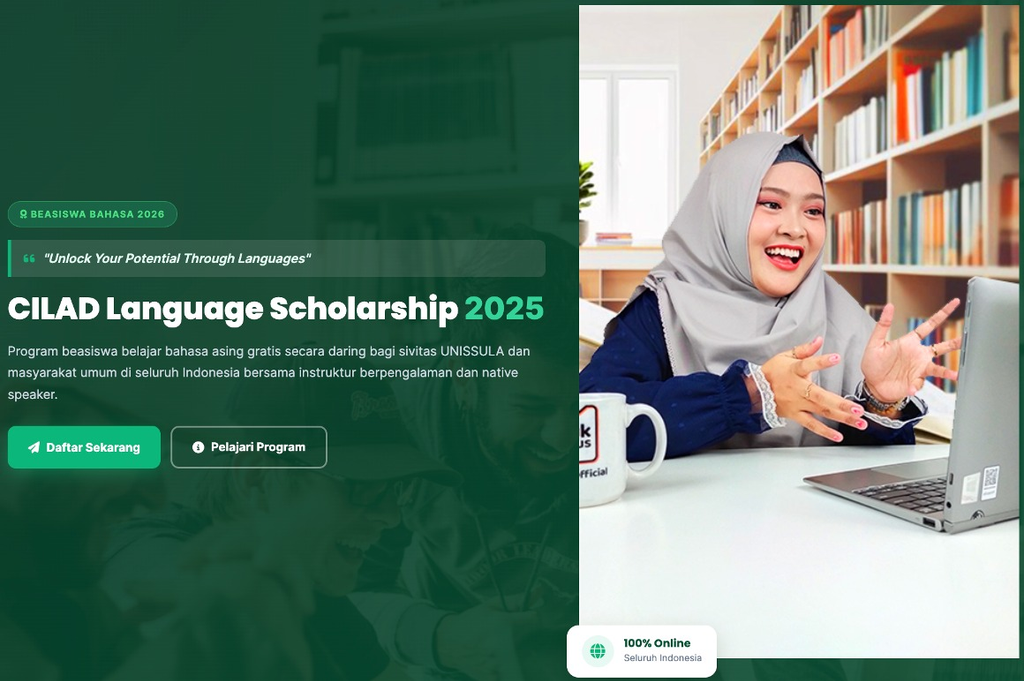
One of UNISSULA’s principal lifelong-learning initiatives is the CILAD Language Scholarship 2025.
The programme provides free online foreign-language education for members of the UNISSULA community and the general public throughout Indonesia.
Participants learn with experienced instructors and native speakers through structured online learning activities.
Participation is provided free of charge, and participants who successfully complete the programme receive a certificate.
The programme provides opportunities for members of the public to:
- develop foreign-language skills;
- learn directly from experienced instructors and native speakers;
- participate remotely from different regions of Indonesia;
- improve communication skills;
- strengthen educational and professional competencies; and
- obtain certification upon completion.
The programme is offered regularly and forms part of UNISSULA’s continuing commitment to expanding educational access beyond enrolled students.
Free Access to Campus Facilities and Learning Equipment
UNISSULA also provides members of surrounding communities with free access to selected university facilities, technologies, and practical learning resources through community-service and outreach programmes.
Participants include:
- local residents;
- farmers;
- food producers;
- MSMEs and entrepreneurs;
- school communities; and
- community organisations.
Facilities and resources used for community learning include:
- agricultural and hydroponic learning facilities;
- Qur’anic Garden educational resources;
- cultivation and biodiversity facilities;
- environmental and water-management technologies;
- renewable-energy demonstrations;
- specialist equipment; and
- other practical learning resources.
Participants can receive hands-on demonstrations, training, mentoring, and guidance from university academics and experts.
Access provided through these community-service programmes is free of charge, with programme costs supported through university or community-service funding.
Practical Technology and Knowledge Transfer
Community participants also benefit from practical access to university knowledge and technology.
Activities include:
- technology demonstrations;
- sustainable agriculture training;
- digital skills;
- entrepreneurship mentoring;
- food-production knowledge;
- environmental management;
- technical training; and
- other forms of applied learning.
This enables people outside the university to experience university-based learning resources directly rather than only receiving theoretical information.
Free Online Academic Resources
UNISSULA provides public access to academic knowledge through its online platforms.
UNISSULA Online Journals
The university’s online journal platform provides access to scholarly publications produced through UNISSULA’s academic and research activities.
Members of the public, researchers, educators, professionals, and students from other institutions can access academic articles and research findings online.
Url Link : https://jurnal.unissula.ac.id
UNISSULA Institutional Repository
UNISSULA’s institutional repository provides online access to university research and academic outputs.
The repository enables members of the public to search and access educational and research materials without being enrolled as UNISSULA students.
Url Link : https://repository.unissula.ac.id
Library Information Resources
UNISSULA’s library website also provides publicly accessible information and discovery resources related to the university’s academic collections.
Together, these services extend access to university knowledge beyond the physical campus.
Url Link : https://library.unissula.ac.id
Supporting Lifelong Learning
UNISSULA’s educational-resource provision supports lifelong learning through three complementary pathways:
Free structured learning → Free access to facilities and technology → Free online academic resources
This approach enables members of the public to choose learning opportunities according to their needs and circumstances.
A community member may participate in a structured certified course, engage with university facilities through practical community programmes, or independently access academic knowledge online.
Beneficiaries
Public educational resources are accessible to various groups, including:
- members of the general public;
- local communities;
- school communities;
- farmers and food producers;
- entrepreneurs and MSMEs;
- community organisations;
- professionals; and
- learners from other institutions.
The CILAD programme further expands this reach nationally by enabling people from across Indonesia to participate online.
2025 Evidence of Provision
UNISSULA’s public educational resources during the 2025 reporting period include:
- CILAD Language Scholarship 2025, providing free online language education to the general public throughout Indonesia;
- certification for participants who successfully complete the CILAD programme;
- free community access to selected university facilities and learning technologies;
- practical demonstrations and hands-on learning through community-service programmes;
- free mentoring and technology transfer;
- publicly accessible UNISSULA online journals;
- publicly accessible UNISSULA institutional repository; and
- public academic and library information resources.
4.3.2
Public Event (Lifelong Learning)
4.3.2 Public Educational Events
UNISSULA Hosts Free Educational Events Open to the General Public
Universitas Islam Sultan Agung (UNISSULA) regularly hosts educational events that are open to members of the general public as part of its commitment to lifelong learning and wider access to university knowledge.
These public educational events are provided free of charge, removing financial barriers and allowing wider participation in university-based learning activities.
Free Access to Public Educational Events
UNISSULA opens selected educational events not only to enrolled students but also to members of the general public.
Participants may include:
- students from other universities;
- school students;
- teachers and educators;
- professionals;
- alumni;
- entrepreneurs;
- government representatives;
- community organisations;
- researchers; and
- other interested members of the public.
Participation in the public events presented as evidence for this initiative is free of charge.

National Seminar on Career and Entrepreneurship
In November 2025, the Faculty of Industrial Technology hosted the Katalis 3.0 Career and Entrepreneur Talk, a national seminar focusing on career development and entrepreneurship.
The seminar was held on 13 November 2025 at the Faculty of Industrial Technology auditorium.
The event addressed issues relevant to employment, entrepreneurship, professional development, and preparation for life after university.
Speakers included professionals from different backgrounds who provided participants with knowledge and practical perspectives on careers and entrepreneurship. Fakultas Teknologi Informasi
The event illustrates how UNISSULA uses its campus facilities to create learning opportunities beyond formal classroom teaching.
Studium Generale with National-Level Experts
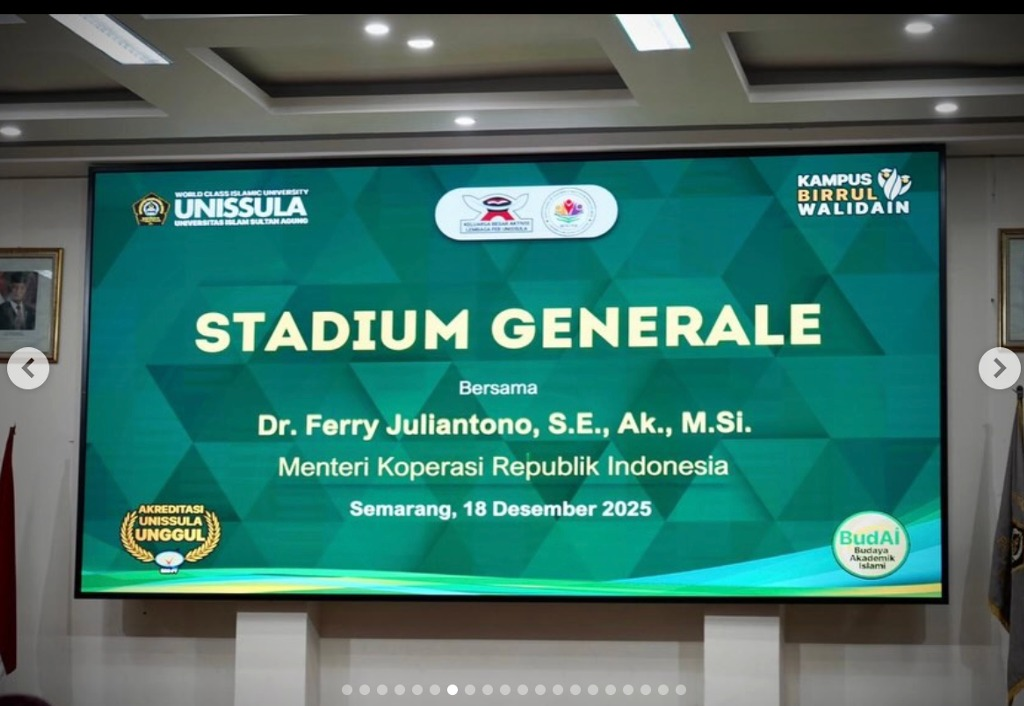
UNISSULA also hosts Studium Generale activities that provide participants with opportunities to learn directly from national figures and experts.
One example in 2025 was the Studium Generale with the Minister of Cooperatives of the Republic of Indonesia, held at UNISSULA on 18 December 2025.
The programme discussed the development of cooperatives, entrepreneurship, digital transformation, and the role of young people in strengthening Indonesia’s cooperative sector. Fakultas Ekonomi dan Bisnis Unissula
Activities of this kind enable participants to engage directly with national-level expertise and current economic and social issues.
International Conference and Global Knowledge Exchange
UNISSULA also hosts international academic events that broaden public access to knowledge and international perspectives.
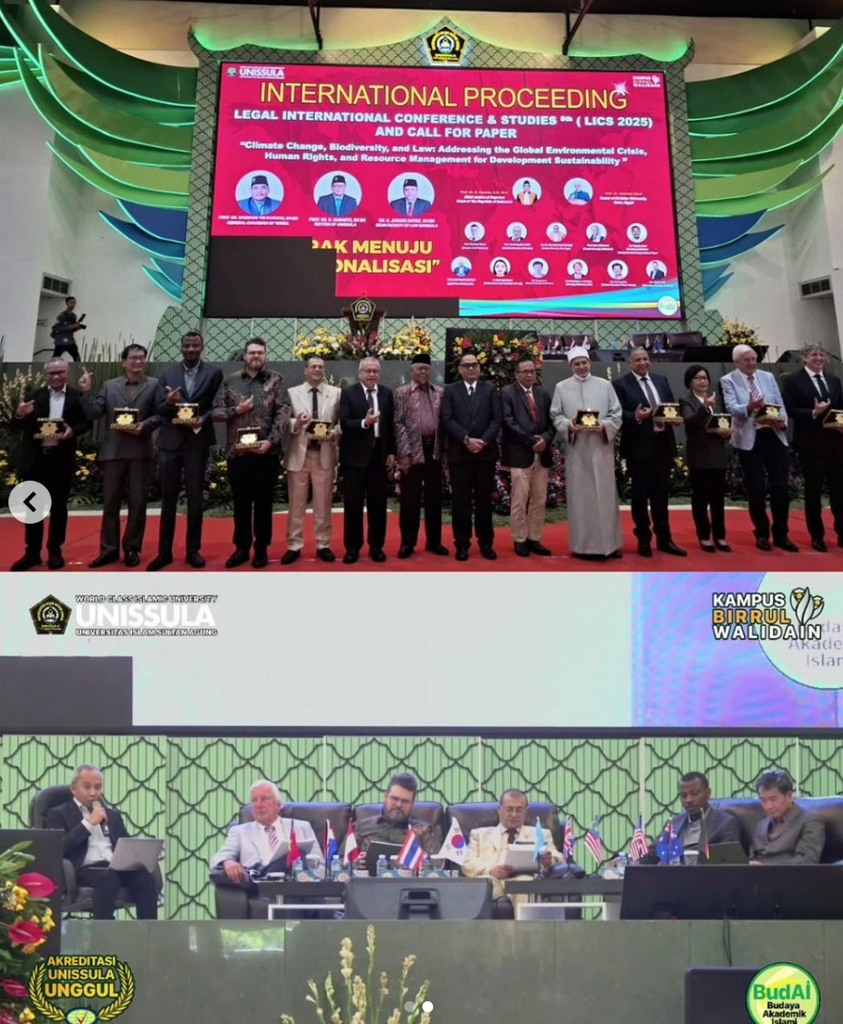
The Legal International Conference and Studies (LICS 2025) brought together international experts, academics, policymakers, and practitioners to discuss:
- climate change;
- biodiversity;
- environmental law;
- human rights;
- environmental justice;
- sustainable resource management; and
- development sustainability.
The conference provided a platform for interdisciplinary learning and knowledge exchange on major global challenges.
Public Engineering and Sustainability Education
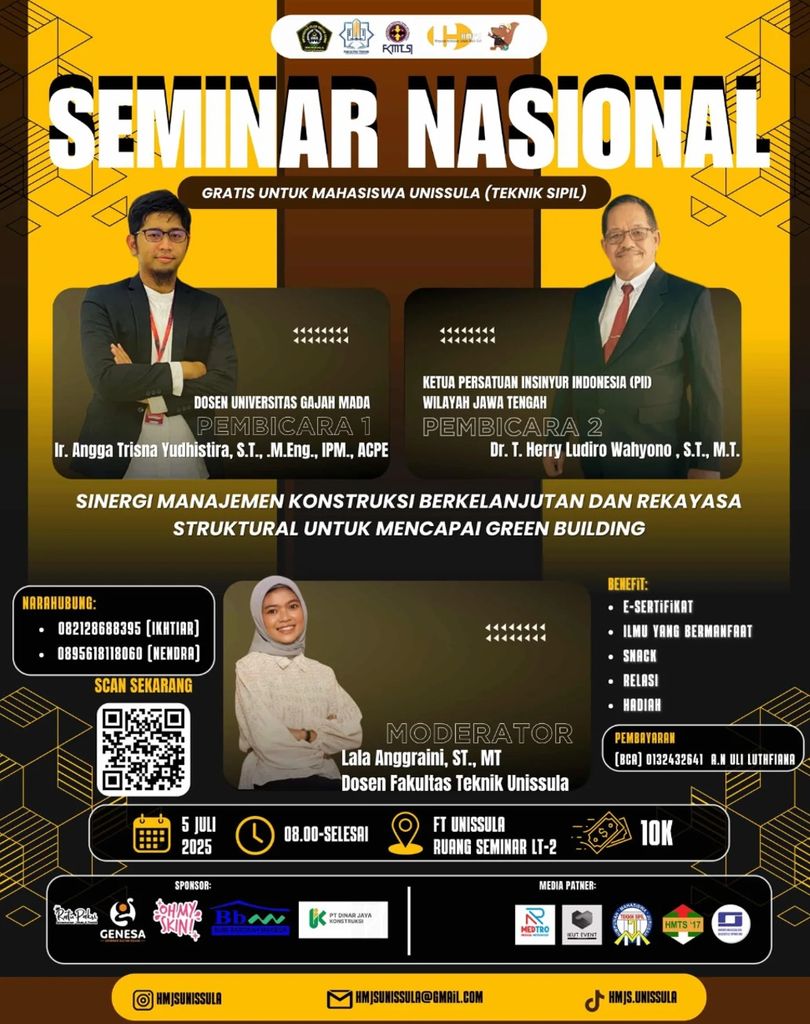
UNISSULA also organises educational seminars in engineering and sustainable development.
Topics include:
- sustainable construction;
- structural engineering;
- green buildings;
- technological innovation; and
- environmentally responsible development.
These activities provide participants with access to professional and academic expertise while promoting awareness of sustainability in engineering practice.
Career, Entrepreneurship and Professional Development
Public educational events at UNISSULA also cover practical lifelong-learning themes such as:
- career preparation;
- entrepreneurship;
- professional skills;
- business development;
- innovation;
- leadership; and
- workplace readiness.
These activities help members of the public and other learners gain practical knowledge that can support their personal and professional development.
Public Learning across Academic Disciplines
UNISSULA’s public educational activities are organised across multiple academic areas, including:
- engineering and technology;
- business and economics;
- law;
- health;
- education;
- sustainability;
- entrepreneurship; and
- Islamic studies.
This broad range enables the university to serve as a learning hub for different groups within society.
Free Participation
The educational events highlighted under this programme are open to the general public and provided free of charge.
Free participation supports wider inclusion by enabling people to access:
- lectures;
- professional expertise;
- academic discussions;
- seminars;
- conferences; and
- other learning opportunities
without being required to enrol in a formal university programme.
Contribution to Lifelong Learning
Public educational events extend the role of UNISSULA beyond formal degree education.
They allow individuals to continue learning throughout their lives, update their knowledge, develop professional skills, engage with experts, and better understand contemporary social, economic, technological, environmental, and health issues.
Through these events, the university creates opportunities for continuous learning and knowledge exchange between academia and society.
2025 Evidence of Public Educational Events
Examples of educational events hosted by UNISSULA during the 2025 reporting period include:
- Katalis 3.0 Career and Entrepreneur Talk, a national seminar held at the Faculty of Industrial Technology;
- Studium Generale with the Minister of Cooperatives of the Republic of Indonesia;
- Legal International Conference and Studies (LICS 2025) on climate change, biodiversity, human rights, and sustainable resource management;
- national engineering and sustainable-construction seminars;
- academic and professional discussions hosted by faculties and university units; and
- other free educational activities open to external participants and members of the public.
4.3.3
Vocational Training Events (Lifelong Learning)
4.3.3 Vocational Training and Executive Education for the Public
UNISSULA Provides Short Courses, Professional Development, and Vocational Training for the General Public
Universitas Islam Sultan Agung (UNISSULA) provides short courses, professional-development programmes, and vocational training opportunities for people who are not formally enrolled as university students.
During the 2025 reporting period, UNISSULA organised structured professional programmes and skills-based training for external participants, including lecturers from other universities, healthcare practitioners, professionals, community members, entrepreneurs, and other non-student learners.
These programmes support lifelong learning, employability, professional development, practical skills, and continuing education.
UNISSULA provides both programmed training activities and ad-hoc vocational or professional training, allowing the university to address both recurring learning needs and specific community or professional development needs.
Programmed Professional Education: PEKERTI 2025
One of UNISSULA’s structured professional-development programmes in 2025 was the PEKERTI training programme.

The programme was organised from 21 to 25 July 2025 and was open to lecturers from both public and private higher-education institutions.
Participants were not limited to UNISSULA staff.
The programme was delivered through:
- Zoom;
- UNISSULA’s Sinau Online platform;
- structured learning materials;
- guided instruction; and
- competency-oriented activities.
The programme covered a broad range of higher-education teaching competencies, including:
- strategies for improving the quality of higher education;
- lecturer competency development;
- education as a system;
- learning theory and motivation;
- adult learning;
- learning outcomes;
- innovative learning models;
- implementation of soft skills in teaching;
- instructional design;
- communication and basic teaching skills;
- learning methods;
- Semester Learning Plans;
- lesson planning;
- assignment methods;
- learning media;
- team teaching;
- assessment principles;
- preparation and analysis of test items; and
- microteaching.
Participants received electronic learning materials and certification upon successful completion.
This programme represents a structured professional short course for external participants who were not enrolled as degree students at UNISSULA.
Professional and Vocational Training for Pharmacy Preceptors
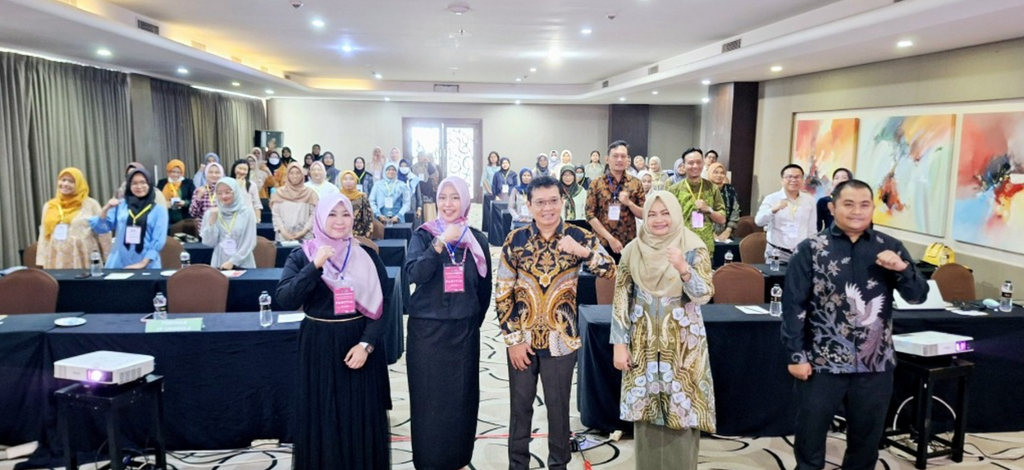
UNISSULA also organised professional training for pharmacy practitioners and preceptors.
Through the Professional Pharmacist Education Programme, UNISSULA provided training aimed at strengthening the competence of external pharmacy professionals working in:
- hospitals;
- pharmaceutical industries;
- community pharmacies;
- public health centres;
- pharmaceutical distribution facilities; and
- other professional practice settings.
The programme covered areas including:
- the role of preceptors as educators and professional role models;
- professional communication;
- conflict management;
- interprofessional education and collaboration;
- pharmaceutical quality assurance;
- facilitation skills;
- evaluation; and
- managerial competencies.
Participants came from professional institutions and practice settings outside UNISSULA.
This activity demonstrates UNISSULA’s role in continuing professional education and vocational development for external healthcare practitioners.
Free Certified Language Courses for the Public
UNISSULA also provides structured language-learning programmes for the public through the CILAD Language Scholarship 2025.
The programme offers online foreign-language learning to members of the university community and the general public throughout Indonesia.
Participants learn with experienced instructors and native speakers through structured educational activities.
Participation is provided free of charge, and successful participants receive certification.
The programme helps participants improve:
- foreign-language skills;
- communication ability;
- intercultural competence;
- professional confidence; and
- employability.
Because the programme is available to non-students and leads to certification, it represents an important lifelong-learning and professional-development pathway.
learning opportunities beyond its formally enrolled student population.
Skills-Based Community and Vocational Training
In addition to structured professional courses, UNISSULA also provides ad-hoc vocational and skills-based training through community-service and professional-engagement activities.
Training themes include:
- digital skills;
- entrepreneurship;
- MSME development;
- financial literacy;
- digital accounting;
- technical services;
- sustainable agriculture;
- hydroponic technology;
- equipment operation;
- digital marketing;
- e-commerce; and
- applied technology.
These activities are intended to give participants practical skills that can be used directly in employment, entrepreneurship, or community economic activities.
Training in Digital Financial Management for MSMEs
In 2025, UNISSULA academics conducted a digital financial-management training programme for MSMEs in Ndudak Sidodadi Village.
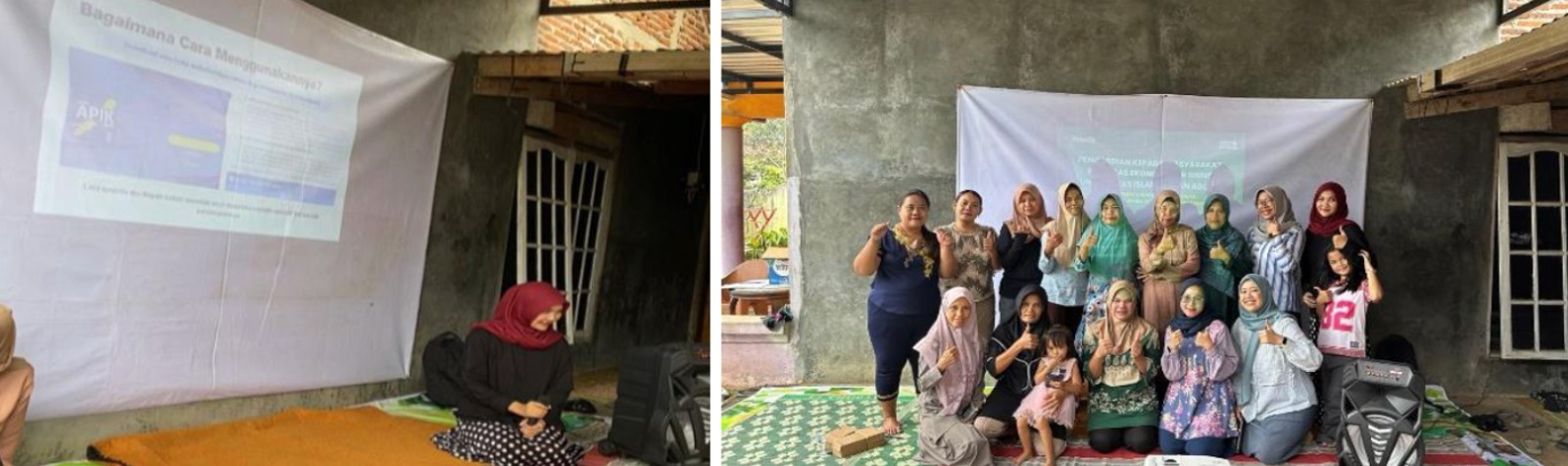
The programme aimed to improve the ability of local MSME operators to use simple digital accounting tools, including:
- SI APIK;
- BukuKas; and
- Microsoft Excel.
The programme used a structured methodology including:
- observation;
- technical training;
- mentoring;
- practical exercises
The programme involved 23 participants and demonstrated measurable improvements in participants’ financial and digital skills.
Participants’ ability to install and operate SI APIK increased from 20% before the intervention to 90% after the programme, while understanding of basic financial-recording concepts also increased substantially.
Although this activity was community-based rather than campus-based, it demonstrates UNISSULA’s wider vocational-training capacity and continuing engagement with non-student learners.
Technical and Entrepreneurship Skills Training
UNISSULA has also implemented technical training programmes aimed at increasing employability and entrepreneurial capability.
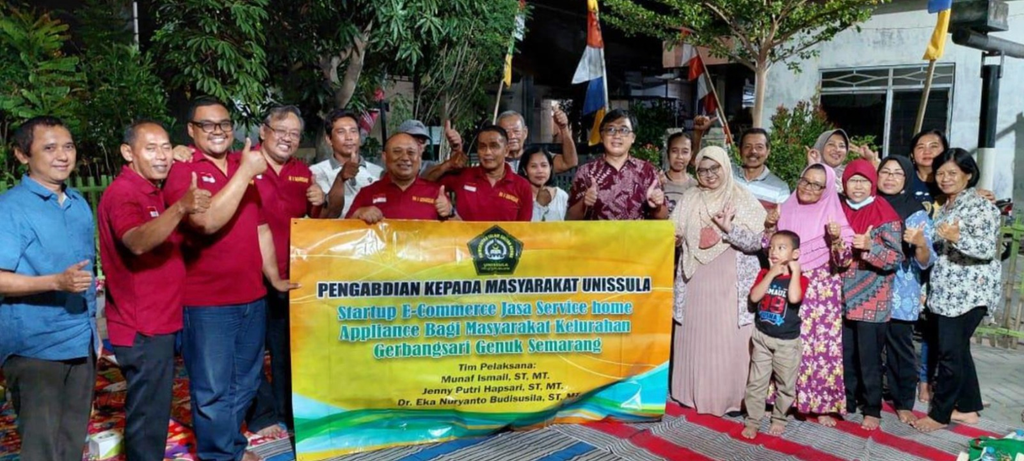
An example is technical and e-commerce training for community members in Gebangsari, Semarang.
The programme provided training in:
- air-conditioning maintenance and repair;
- technical troubleshooting;
- startup development;
- e-commerce; and
- digital marketing.
Participants were community members rather than enrolled students, and the programme was designed to strengthen economic independence and technical skills. 41935-107008-1-PB
The programme also provided practical instruction in equipment maintenance and online marketing, enabling participants to develop service businesses and use digital platforms for business promotion. 41935-107008-1-PB
This activity was implemented before the 2025 reporting year, so it is presented as evidence of continuity in UNISSULA’s vocational-training approach rather than as primary 2025 evidence.
Programmed and Ad-Hoc Training Provision
UNISSULA’s lifelong-learning model combines two forms of provision.
Programmed Training
Structured or recurring programmes include:
- PEKERTI professional development;
- CILAD language courses;
- selected OBE-certified courses; and
- other planned professional-development programmes.
These activities follow defined schedules, learning materials, learning outcomes, and certification mechanisms.
Ad-Hoc Vocational and Professional Training
UNISSULA also conducts targeted training in response to specific professional or community needs.
Examples include:
- pharmacy preceptor training;
- MSME digital financial-management training;
- technical skills programmes;
- digital marketing;
- entrepreneurship; and
- applied technology training.
This combination enables UNISSULA to offer both planned continuing education and responsive skills development.
Participants
Beneficiaries of UNISSULA’s professional and vocational learning programmes include:
- lecturers from public and private universities;
- healthcare professionals;
- pharmacy preceptors;
- entrepreneurs;
- MSME owners;
- community members;
- professionals;
- alumni; and
- other non-student learners.
These participants do not need to be enrolled in a UNISSULA degree programme to benefit from the university’s educational expertise.
Contribution to Lifelong Learning and Employability
UNISSULA’s vocational and professional programmes contribute to:
- continuing professional development;
- improved employability;
- practical skills development;
- professional certification;
- digital literacy;
- entrepreneurship;
- workforce competence; and
- lifelong learning.
The programmes allow participants to update their skills, gain new professional knowledge, and improve their capacity to participate in changing labour and economic environments.
2025 Evidence of Provision
Evidence of UNISSULA’s vocational and executive education activities includes:
- PEKERTI 2025, a structured professional-development programme for lecturers from PTN and PTS;
- Pharmacy Preceptor Training, providing professional development for external healthcare practitioners;
- CILAD Language Scholarship 2025, providing structured certified language learning to the public;
- selected certified learning activities through OBE UNISSULA;
- digital financial-management training for MSMEs;
- community and professional skills-development activities; and
- vocational training in digital, technical, entrepreneurial, and professional competencies.
4.3.4
Education Outreach Activities Beyond Campus
4.3.4 Education Outreach Activities Beyond Campus
UNISSULA Delivers Educational Outreach Programmes in Local Communities
Universitas Islam Sultan Agung (UNISSULA) undertakes educational outreach activities beyond the university campus as part of its commitment to lifelong learning, community empowerment, and wider access to education.
These activities included tailored lectures, practical demonstrations, technical training, mentoring, digital-literacy programmes, entrepreneurship education, health education, and other forms of community-based learning.
Educational Outreach in Local Communities
UNISSULA’s outreach activities are designed to respond to the specific needs of local communities.
Rather than limiting educational activities to the university campus, lecturers and students bring knowledge, technology, and practical skills directly to community participants.
Outreach programmes include:
- technical training;
- digital-literacy education;
- financial-management training;
- entrepreneurship mentoring;
- health education;
- sustainable agriculture;
- technology demonstrations;
- environmental education; and
- community empowerment.
Digital Financial Training for MSMEs in Ndudak Sidodadi
In 2025, UNISSULA conducted an educational outreach programme for MSMEs in Ndudak Sidodadi Village, Mijen, Semarang.
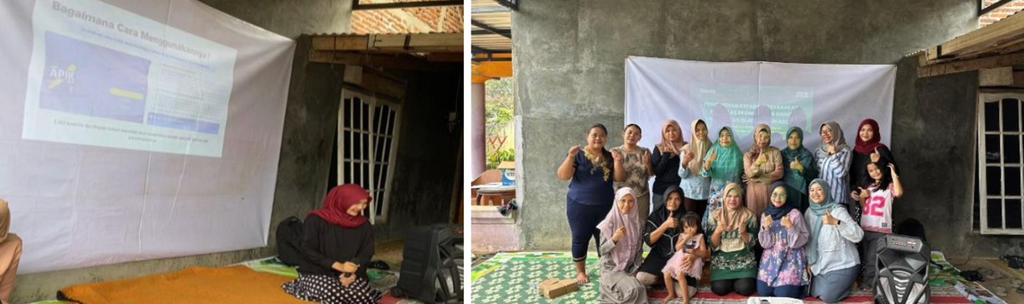
The programme focused on digital financial management and aimed to improve the ability of local entrepreneurs to manage business finances using digital tools.
Training covered:
- basic financial recording;
- transaction management;
- preparation of simple financial reports;
- SI APIK;
- BukuKas; and
- Microsoft Excel.
The programme used a structured method consisting of:
- initial observation;
- needs assessment;
- training;
- practical exercises;
- mentoring;
- monitoring; and
A total of 23 MSME participants took part in the programme.
Following the training, participants demonstrated substantial improvement in practical digital-finance skills, including an increase in the ability to install and operate SI APIK from 20% before training to 90% after training.
This programme demonstrates UNISSULA’s direct educational contribution to community economic capacity and digital literacy.
Technical and Entrepreneurship Training in Local Communities
UNISSULA also implements technical and entrepreneurship education for community members.
An example of this outreach model is the technical and e-commerce training programme implemented for residents in Gebangsari, Semarang.
The programme provided education in:
- air-conditioning maintenance;
- technical repair skills;
- startup development;
- e-commerce; and
- digital marketing.
The programme was designed to help local residents develop practical skills, improve employability, and establish income-generating service activities. 41935-107008-1-PB
Although this specific programme was implemented prior to the 2025 reporting year, it demonstrates continuity in UNISSULA’s community-based educational outreach model.
Agricultural and Food-Production Education
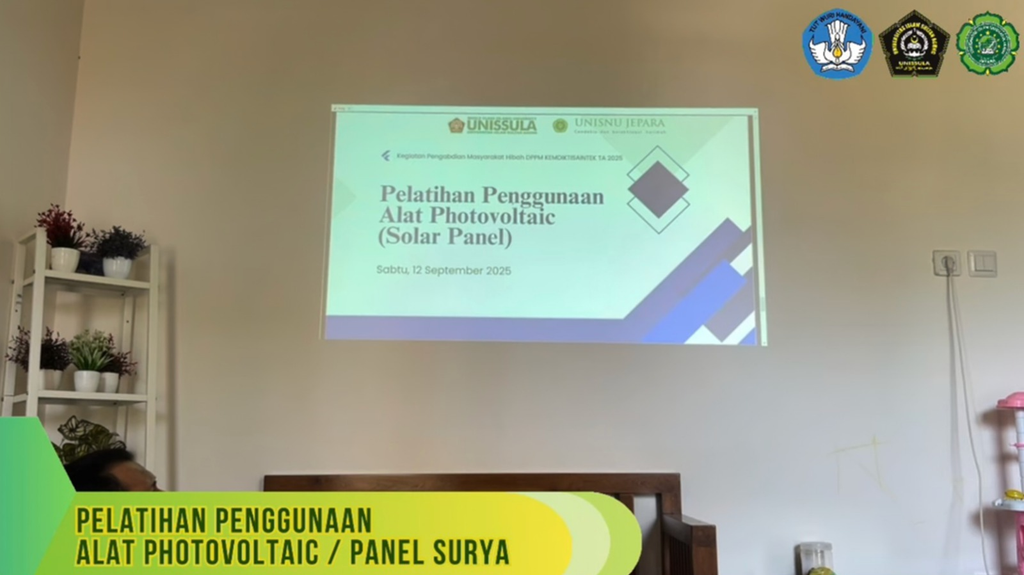
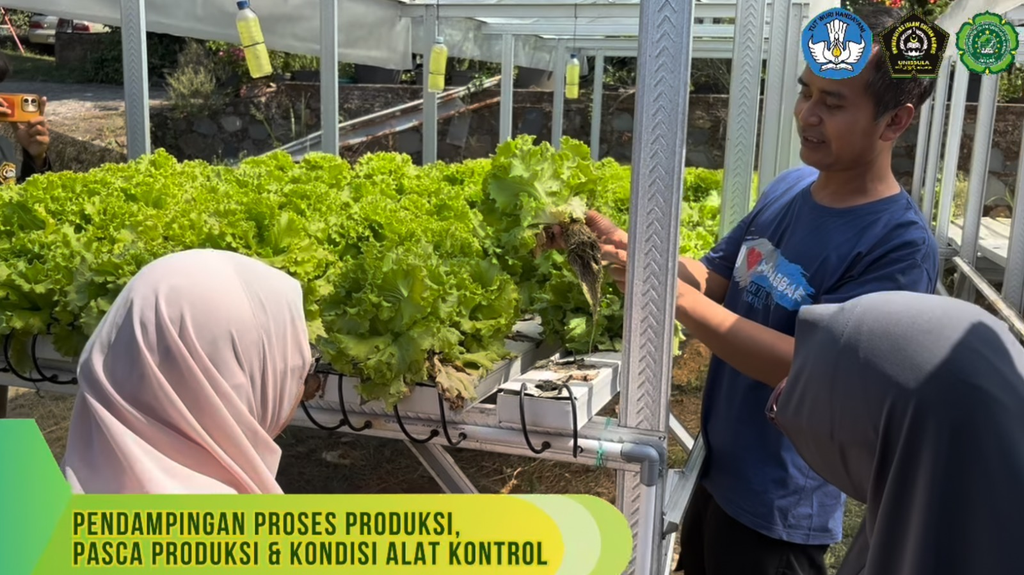
UNISSULA also conducts outreach programmes for farmers and food producers.
Educational activities include:
- hydroponic cultivation;
- smart farming;
- nutrient and temperature control;
- renewable energy use;
- sustainable farming practices;
- food processing;
- digital marketing; and
- technology transfer.
These activities are delivered directly to local producers and community groups, helping participants apply university knowledge to real production environments.

Health Education Outreach
UNISSULA’s health faculties also provide educational outreach beyond campus.
Activities include:
- reproductive-health education;
- maternal and child health;
- immunisation education;
- hypertension prevention;
- healthy lifestyles;
- nutrition;
- health screening; and
- community-health training.
These programmes combine education with practical health support and help improve public-health awareness in surrounding communities.
Outreach to Local Schools
UNISSULA also engages with local schools through educational activities, demonstrations, competitions, mentoring, and academic outreach.
Activities involve:
- science and technology education;
- health education;
- career information;
- language learning;
- university preparation; and
- student-led educational programmes.
These activities help connect university expertise with younger learners and local education communities.
Student Participation and Volunteering
Students participate in many UNISSULA outreach programmes alongside lecturers and professional staff.
Student involvement include:
- assisting with training;
- community mentoring;
- health education;
- technology demonstrations;
- school engagement; and
- other volunteer-based educational activities.
This allows students to apply academic knowledge while contributing directly to community learning and development.
Programmed and Ad-Hoc Outreach
UNISSULA implements both:
Programmed Outreach
Regular or planned activities include:
- community-service programmes;
- health outreach;
- agricultural training;
- MSME development;
- educational partnerships; and
- community empowerment.
Ad-Hoc Outreach
UNISSULA also responds to specific community needs through:
- specialised workshops;
- technical demonstrations;
- targeted training;
- short educational interventions; and
- student-led activities.
This combination enables the university to address both long-term community learning needs and immediate local challenges.
2025 Evidence of Educational Outreach
UNISSULA’s evidence includes:
- Digital financial-management training for MSMEs in Ndudak Sidodadi Village, 2025;
- practical training using SI APIK, BukuKas, and Microsoft Excel;
- mentoring and evaluation for local entrepreneurs;
- agriculture and smart-farming outreach;
- health education and community-health activities;
- technical and digital-skills training;
- outreach activities involving lecturers and students; and
- educational activities delivered directly in communities outside the university campus.
4.3.5
Lifelong learning access policy
4.3.5 Lifelong Learning Access Policy
UNISSULA Ensures Inclusive and Equal Access to Lifelong Learning for the General Public
Universitas Islam Sultan Agung (UNISSULA) is committed to providing inclusive and equal access to lifelong-learning opportunities for the wider community.
This commitment is formally established through Rector Decision No. 0105/A.1/SA/II/2022 concerning the Policy on Learning Access for the General Public of Universitas Islam Sultan Agung.
The policy was established to strengthen community engagement and to expand access to learning opportunities for people beyond those formally enrolled at the university.
Within the implementation of this policy, the term general public is understood inclusively: learning opportunities are intended to be available to members of society without distinction based on their personal, social, cultural, religious, or demographic backgrounds.
Equal Access for the General Public
UNISSULA applies the principle that members of the public should have equal opportunities to benefit from educational activities and resources provided by the university.
Access is provided without discrimination based on characteristics such as:
- ethnicity;
- religion;
- gender;
- disability;
- nationality;
- immigration status;
- social or economic background; or
- other personal characteristics.
The purpose of this inclusive approach is to ensure that differences in personal background do not become unnecessary barriers to participation in lifelong-learning opportunities.
Scope of Lifelong-Learning Access
The policy supports public access to a wide range of educational opportunities provided by UNISSULA, including:
- public lectures;
- educational seminars;
- short courses;
- professional-development programmes;
- vocational training;
- community education;
- educational outreach;
- practical demonstrations;
- selected university learning facilities;
- online educational resources;
- open-access academic publications; and
- other lifelong-learning activities.
These opportunities enable people who are not formally enrolled as UNISSULA students to benefit from university knowledge, expertise, learning resources, and educational programmes.
Institutional Basis for Public Learning Access
The Rector Decision formally establishes the Policy on Learning Access for the General Public and assigns responsibility for preparing, implementing, and reporting activities under the policy.
The decision also states that expenses arising from implementation of the policy are supported through the UNISSULA institutional budget.
This institutional framework demonstrates that public learning access is not treated only as an occasional activity, but as part of the university’s organised community-engagement responsibilities.
Inclusive Participation
UNISSULA seeks to ensure that lifelong-learning opportunities can be accessed by people from different backgrounds and circumstances.
Participants include:
- members of surrounding communities;
- school students and teachers;
- professionals;
- entrepreneurs and MSME owners;
- farmers and food producers;
- community organisations;
- alumni;
- learners from other educational institutions;
- people from different regions or national backgrounds;
- persons with disabilities; and
- other members of the general public.
Eligibility for public learning activities is therefore based on the relevant educational purpose and programme requirements rather than discriminatory characteristics.
Accessibility for Persons with Disabilities
UNISSULA recognises that equal access require appropriate support for participants with disabilities.
Where necessary and appropriate to the activity, the university seeks to facilitate participation through reasonable accommodation and accessible arrangements so that disability does not unnecessarily prevent participation in educational programmes.
This approach reflects the broader principle that lifelong-learning opportunities should be available to all members of society on an equitable basis.
Religion and Ethnicity
UNISSULA’s public learning opportunities are intended for members of the wider community regardless of religion or ethnicity.
Educational access is not limited to people of a particular ethnic or religious group.
Participants are able to engage in relevant educational, professional, technical, health, entrepreneurship, and community-learning activities according to the purpose and requirements of each programme.
Gender Equality
Access to lifelong-learning programmes is also provided regardless of gender.
Women and men are able to participate in public courses, training, seminars, educational outreach, professional development, and other community-learning activities based on the same educational principles.
Nationality and Immigration Status
The principle of general public access also applies without unnecessary distinction based on nationality or immigration status.
Where programme participation is administratively and legally possible, learners from different national or immigration backgrounds access the same educational opportunities according to the applicable programme requirements.
Implementation across Lifelong-Learning Activities
The inclusive-access principle applies across UNISSULA’s broader lifelong-learning framework.
Public Educational Resources
Members of the public can benefit from selected learning resources, open academic materials, online journals, institutional repositories, and community-based access to university knowledge.
Public Educational Events
UNISSULA hosts lectures, seminars, conferences, and educational discussions that enable participants outside the university to engage with academic and professional expertise.
Professional and Vocational Learning
Short courses, professional training, technical education, language programmes, and vocational activities provide continuing-learning opportunities for non-student participants.
Community Educational Outreach
Lecturers and students also deliver educational activities outside campus through schools, villages, community groups, professional organisations, and other local partners.
Governance and Implementation
The Rector Decision assigns institutional responsibility for implementation of the Public Learning Access Policy.
It establishes a management structure involving university leadership and administrative, legal, public-relations, and information-technology functions.
This structure supports the preparation, implementation, coordination, communication, and reporting of public-learning activities.
Continuing Application of the Policy
The policy has been in force since its establishment in 2022 and provides the institutional basis for UNISSULA’s continued provision of educational access to the wider community. The decision states that it takes effect from the date of establishment.
Its implementation is reflected in the university’s continuing lifelong-learning activities, including public education, training, professional development, open academic resources, and community outreach.
Inclusive Lifelong-Learning Principle
UNISSULA’s approach can be summarised through the following principle:
Learning opportunities for the general public are provided on an inclusive and equitable basis, without discrimination based on ethnicity, religion, disability, immigration status, gender, or other personal and social characteristics.
This interpretation reflects the purpose of the university’s policy to extend learning access to masyarakat umum — the general public — rather than restricting educational opportunities only to formally enrolled students or particular social groups.