

















UNISSULA SUSTAINABILITY REPORTING
SDG 3 – Good Health and WellBeing
Progress Report 2025
2025 Report Overview
In 2025, Universitas Islam Sultan Agung (UNISSULA) documented its progress towards SDG 3 – Good Health and Well-being through partnerships with healthcare institutions, community health outreach, access to sports facilities, reproductive healthcare services, mental health support, and the implementation of a university-wide smoke-free policy. The university collaborated with local, national, and international health institutions while providing preventive health screening, health education, counselling, and well-being support for students, staff, and surrounding communities. This report presents UNISSULA’s institutional initiatives, documented achievements, and continuing priorities for improving health and well-being during the 2025 reporting period.
Full SDG 3 Progress Report 2025
3.3.1
Current Collaborations with Health Institutions
3.3.1 Current Collaborations with Health Institutions
UNISSULA Collaborates with Local, National and Global Health Institutions to Improve Health and Well-being
Universitas Islam Sultan Agung (UNISSULA) maintains collaborations with external health institutions at local, national, and global levels to strengthen health education, healthcare services, health-system capacity, professional development, research, and community health.
Through these partnerships, UNISSULA integrates education, research, professional training, community service, and health-system engagement to support improved health and well-being outcomes.
THE defines collaboration as an ongoing formal or informal activity or interaction over a period of time. For this indicator, local collaborations are with institutions in the same city as the university campus, national collaborations involve nation-wide organisations, and global collaborations involve institutions or organisations with global influence or operations. Partner organisations must not be owned or managed by the university.
Local Health Collaboration: Semarang City Health Office
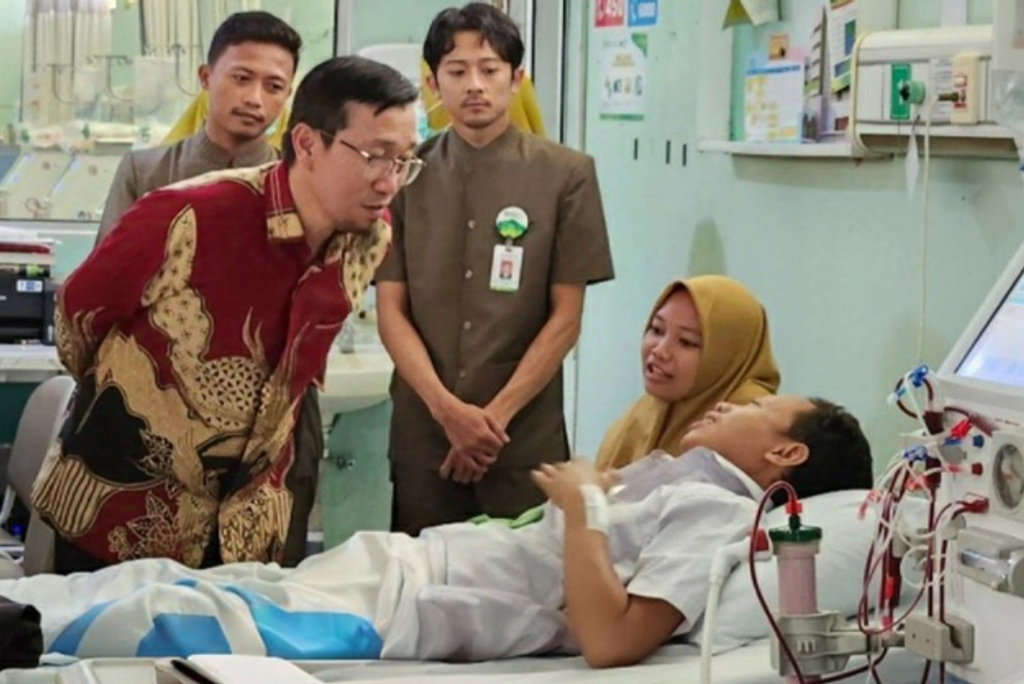
UNISSULA maintains a formal collaboration with the Semarang City Health Office (Dinas Kesehatan Kota Semarang).
The cooperation is active during the 2025 reporting period and provides a formal framework for higher-education activities and the Merdeka Belajar Kampus Merdeka programme within the municipal health system.
The collaboration covers:
- education;
- research;
- community service;
- professional and student development;
- public-health activities;
- health workforce development; and
- health-system improvement.
The cooperation also encompasses major areas of health-system transformation, including:
- primary healthcare;
- referral healthcare;
- health-system resilience;
- health financing;
- health human resources;
- health technology;
- maternal and child health;
- nutrition;
- communicable and non-communicable disease control;
- pharmaceutical and food supervision; and
- other public-health priorities.
Because the Semarang City Health Office operates in the same city as UNISSULA’s main campus, this collaboration represents a local health-institution partnership.
Contribution to Health and Well-being
The collaboration enables university expertise, students, academics, and health professionals to engage directly with the municipal health system.
It contributes to health and well-being through stronger community-health programmes, health workforce development, health-system improvement, professional education, and public-health collaboration.
National Health Collaboration: BPJS Kesehatan
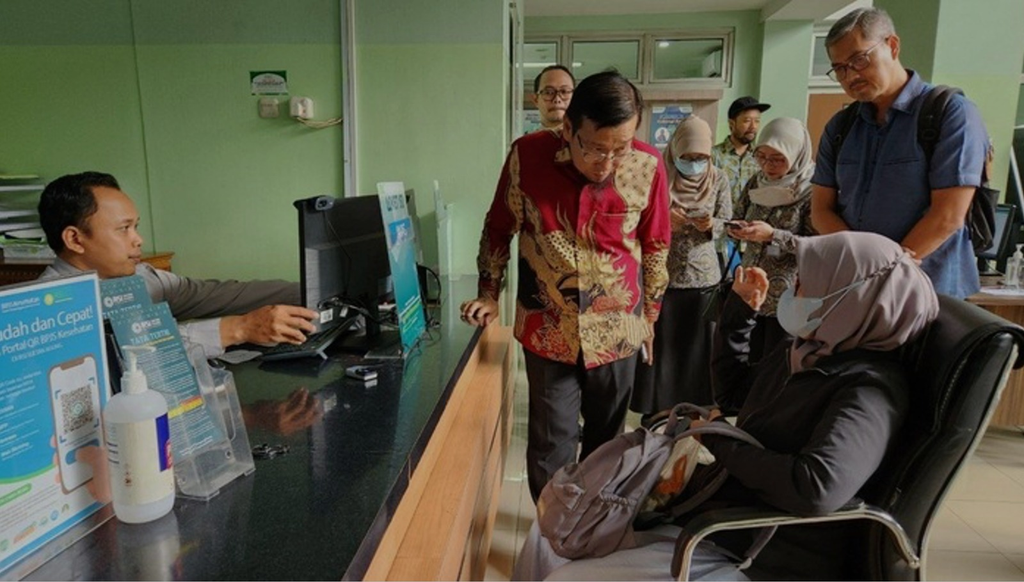
At the national level, UNISSULA collaborates with BPJS Kesehatan, Indonesia’s national social health-insurance organisation.
The cooperation focuses on strengthening higher-education activities and implementation and understanding of the National Health Insurance Programme (Jaminan Kesehatan Nasional / JKN).
The scope includes:
- integration of the National Health Insurance Programme for students;
- dissemination and education regarding JKN;
- health-insurance awareness;
- development of human-resource capacity;
- expert involvement;
- seminars;
- workshops; and
- focused discussion activities.
The agreement remains within its five-year cooperation period during 2025.
Although implementation is coordinated through BPJS Kesehatan’s Semarang branch, BPJS Kesehatan is a nation-wide organisation responsible for Indonesia’s National Health Insurance system. This therefore represents UNISSULA’s national-level health collaboration.
Contribution to Health and Well-being
This collaboration strengthens:
- access to health-protection information;
- understanding of national health insurance;
- health-system literacy;
- institutional health knowledge;
- human-resource capacity; and
- connection between university communities and the national health-protection system.
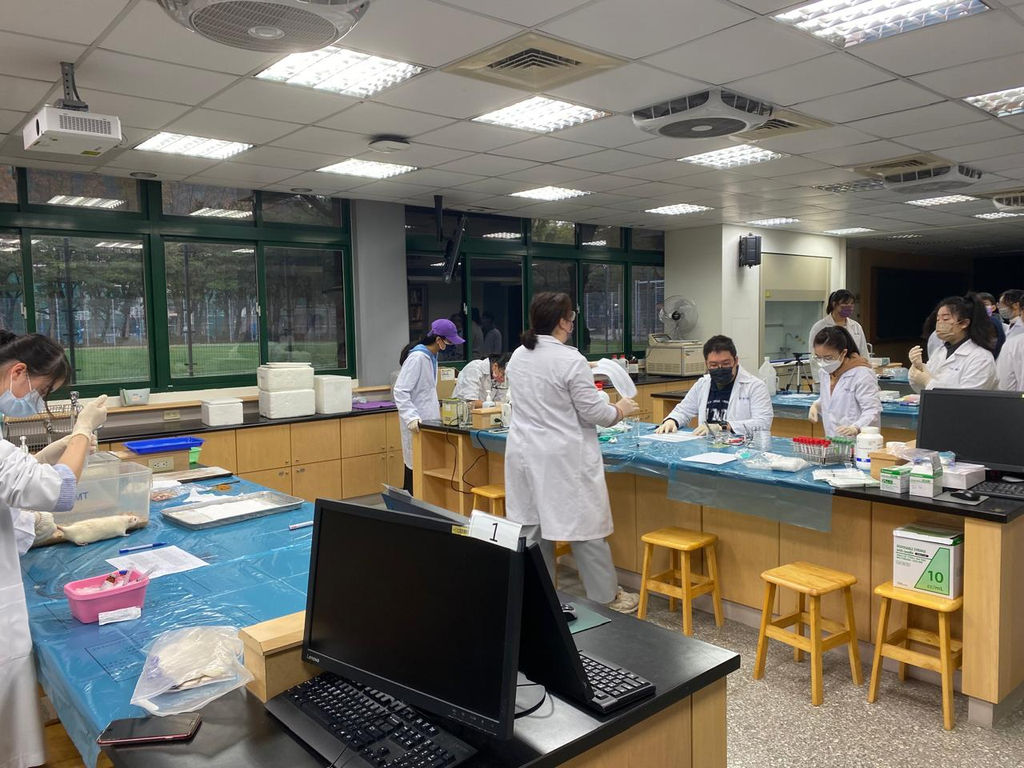

Global Health Collaboration: Taipei Hospital, Ministry of Health and Welfare, Taiwan
UNISSULA maintains an international cooperation framework with Taipei Hospital, Ministry of Health and Welfare, Taiwan.
The cooperation establishes a formal relationship between the two institutions and provides opportunities for collaboration in:
- academic activities;
- research;
- community service;
- institutional exchange; and
- other mutually beneficial health-related activities.
The agreement states that it remains in force until six months after written notification of termination by either institution, providing a continuing framework for cooperation.
As a hospital operating under Taiwan’s Ministry of Health and Welfare, Taipei Hospital provides UNISSULA with an international platform for health education, research, professional exchange, and health-service development.
Contribution to Health and Well-being
The collaboration supports:
- international exchange of health knowledge;
- professional development;
- research cooperation;
- community-health engagement;
- institutional learning; and
- exchange of healthcare practices between Indonesia and Taiwan.
This represents UNISSULA’s global health collaboration.
Additional Collaboration with RSUD Sultan Fatah Demak
UNISSULA also maintains cooperation with RSUD Sultan Fatah Demak, an external public hospital.
The agreement covers:
- education;
- research;
- community service;
- alumni placement; and
- other mutually agreed activities.
The agreement has a five-year duration and remains within its active cooperation period during the 2025 reporting year.
This collaboration strengthens hospital-based education, professional development, applied health research, and community health activities.
Collaboration with Community Pharmacy and Pharmaceutical Health Services
UNISSULA also collaborates with community pharmacies to strengthen pharmacy education, pharmaceutical healthcare, research, and community service.
One example is the cooperation with Apotek Sidowaras, which provides a framework for professional pharmacy education, research, community service, and pharmaceutical healthcare services.
The cooperation aims to improve professional education and strengthen the quality of pharmaceutical healthcare services for the community.
UNISSULA also maintains cooperation arrangements with other pharmacy partners, including:
- Apotek Sari Medika;
- Apotek Merdeka; and
- Apotek Farmarindo.
These partnerships provide practical healthcare environments for pharmacy students while strengthening interaction between university expertise and community pharmaceutical services.
Multi-Level Health Collaboration
UNISSULA’s health partnerships operate across the three levels identified in the THE Sustainability Impact Ratings methodology:
| Collaboration Level | Health Institution | Main Health and Well-being Contribution |
|---|---|---|
| Local | Semarang City Health Office | Public health, community health, health-system transformation and workforce development |
| National | BPJS Kesehatan | National Health Insurance, health protection, health-system education and capacity building |
| Global | Taipei Hospital, Ministry of Health and Welfare, Taiwan | International health education, research, professional exchange and health cooperation |
| Supporting collaboration | RSUD Sultan Fatah Demak | Hospital-based education, research and community service |
| Supporting collaboration | Community pharmacy partners | Pharmaceutical services, professional education and community health |
Improving Health and Well-being Outcomes
UNISSULA’s collaborations contribute to health and well-being through several interconnected areas.
Health Workforce Development
Students, academics, and healthcare professionals gain opportunities to develop skills and experience through public-health agencies, healthcare providers, hospitals, pharmacies, and international health institutions.
Strengthening Healthcare Services
Partnerships connect university education and research with real healthcare and public-health needs.
Community Health
Collaborations support community-service activities, health education, prevention, health promotion, and access to health knowledge.
Health-System Development
Cooperation with the Semarang City Health Office and BPJS Kesehatan connects UNISSULA with both municipal and national health systems.
Research and Innovation
Health partnerships provide opportunities for collaborative research, evidence-based practice, and the application of academic knowledge to health challenges.
International Health Exchange
Cooperation with Taipei Hospital strengthens international exchange of health knowledge, professional experience, research, and institutional practice.
Evidence of Implementation
UNISSULA’s evidence for this indicator includes:
- an active collaboration with the Semarang City Health Office covering public health, health-system development, education, research, and community service;
- an active collaboration with BPJS Kesehatan supporting the National Health Insurance programme and health-system capacity;
- an international cooperation framework with Taipei Hospital, Ministry of Health and Welfare, Taiwan covering academic, research, community-service, and institutional exchange;
- cooperation with RSUD Sultan Fatah Demak for healthcare education, research, and community service; and
- collaborations with community pharmacies supporting professional pharmacy education and pharmaceutical healthcare services.
3.3.2
Health Outreach Programs
3.3.2 Health Outreach Programmes
UNISSULA Delivers Community Health Outreach Programmes to Improve Health and Well-being
Universitas Islam Sultan Agung (UNISSULA) delivers community health outreach programmes and projects to improve and promote health and well-being among local communities.
The programmes covered preventive healthcare, reproductive health, chronic-disease screening, maternal and child health, nutrition, healthy lifestyles, immunisation education, and community health empowerment.
These activities are implemented through community-service programmes and partnerships with local healthcare providers, enabling university expertise and health services to reach communities beyond the campus.
Free Cervical Cancer Screening and Reproductive Health Education
In 2025, UNISSULA conducted a free cervical cancer screening and reproductive-health education programme at Puskesmas Pandanaran.
The programme included:
- reproductive-health education;
- interactive health discussions;
- vaginal secretion examination;
- Visual Inspection with Acetic Acid (IVA);
- HPV DNA testing; and
- early-detection counselling.
A total of 46 women of reproductive age participated, and the screening services were provided free of charge.
This programme improved community access to preventive healthcare and supported early detection of cervical cancer and other reproductive-health risks.

Free Community Health Screening
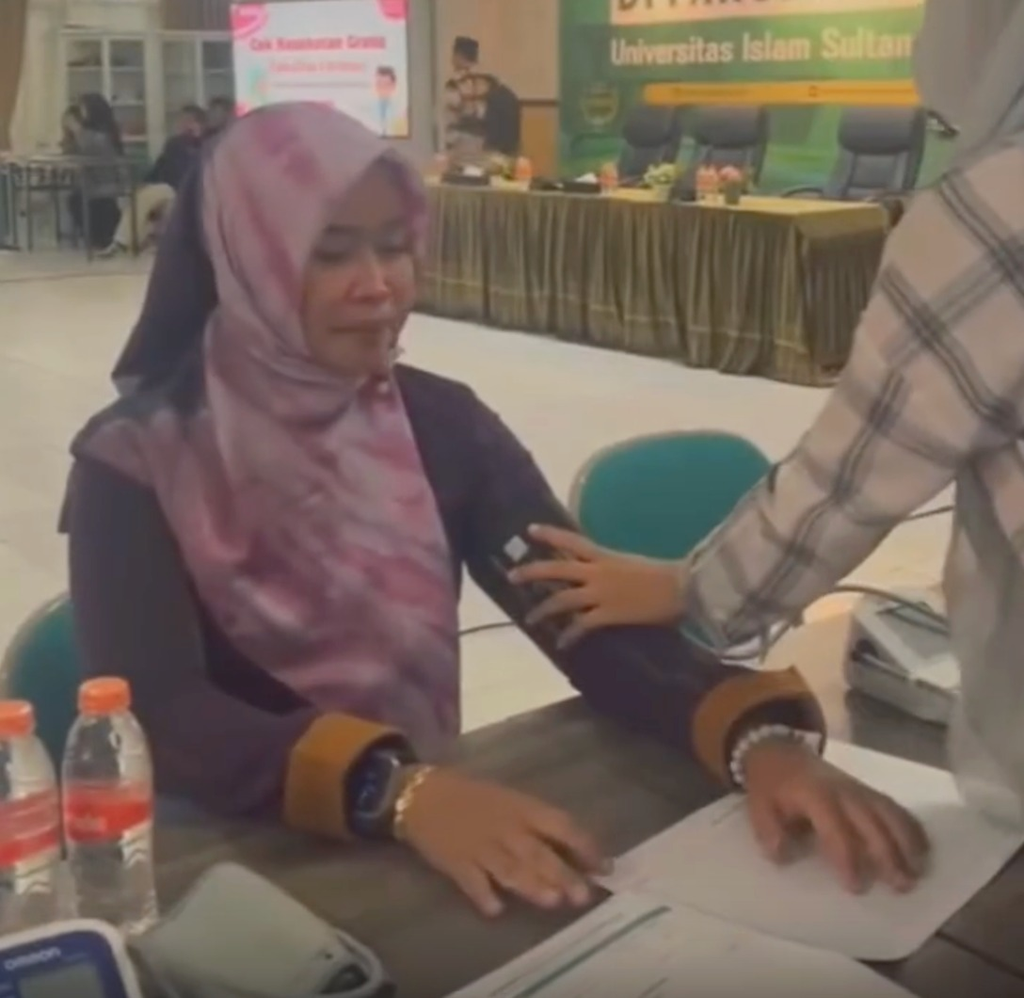
UNISSULA also provided free health screening through collaboration between the Faculty of Pharmacy and Puskesmas Bulusan.
The programme included:
- blood-pressure measurement;
- blood-glucose testing;
- cholesterol testing;
- electrocardiography (ECG);
- body-weight measurement; and
- health education on healthy lifestyles and non-communicable disease prevention.
The activity functioned as both a preventive-health intervention and an educational outreach programme, helping participants identify health risks early and improve awareness of chronic-disease prevention.
Maternal and Child Health Outreach
UNISSULA’s Midwifery Programme implemented community-service activities focused on maternal and child health.
Activities included:
- training Posyandu cadres as immunisation educators;
- lactation-preparation education for pregnant women;
- maternal-health education;
- child-health education;
- reproductive and sexual-health education; and
- support for family health awareness.
By strengthening the capacity of community health cadres, UNISSULA improved the ability of local communities to access health information and preventive services.
Immunisation Education through Posyandu Cadres
In Sembungharjo, Semarang, UNISSULA strengthened the role of Posyandu cadres as community immunisation educators.
The programme helped cadres improve their ability to:
- explain the importance of immunisation;
- communicate with parents and families;
- encourage participation in childhood immunisation;
- connect households with local health services; and
- increase community understanding of preventive healthcare.
This outreach activity strengthened community-level health capacity and helped improve access to child-health information.
Hypertension and Healthy Lifestyle Outreach
In 2025, UNISSULA also implemented community-health outreach in Sendangmulyo focusing on hypertension prevention and healthy lifestyles.
The programme included:
- hypertension education;
- healthy-diet education;
- physical-activity promotion;
- discussion of smoking risks;
- discussion of excessive caffeine consumption;
- community empowerment; and
- collaboration with local health services.
Health education for older residents was conducted as part of this broader intervention.
This programme promoted healthier behaviour and improved community awareness of non-communicable disease prevention.
Nutrition and Healthy Lifestyle Education
UNISSULA’s outreach programmes also include education on:
- balanced nutrition;
- healthy eating;
- physical activity;
- prevention of obesity;
- prevention of hypertension;
- diabetes awareness;
- healthy ageing; and
- lifestyle-related health risks.
These activities support communities in making informed choices that improve long-term health and well-being.
Outreach for Women and Families
Several UNISSULA health programmes specifically support women and families through:
- reproductive-health education;
- cervical cancer screening;
- maternal health;
- lactation preparation;
- family health education;
- child immunisation support; and
- preventive-health counselling.
These programmes help reduce informational and service-access barriers faced by women and families in local communities.
Support for Disadvantaged Community Groups
UNISSULA’s outreach activities are also designed to reach community members who may face financial, informational, social, or geographic barriers to healthcare.
Free screening, free reproductive-health examinations, community education, and local health-cadre training reduce these barriers by bringing health services and knowledge closer to community members.
Where programmes specifically target low-income or otherwise disadvantaged beneficiaries, they can also be evidenced under the THE category for disadvantaged people.
Student and Academic Community Engagement
Health outreach at UNISSULA is supported by lecturers, health professionals, and students through community-service and volunteering activities.
Students may participate in:
- health education;
- screening;
- community engagement;
- health campaigns;
- Posyandu activities;
- maternal and child-health outreach;
- disease-prevention programmes; and
- community-health promotion.
This provides students with practical experience while extending university health expertise to surrounding communities.
2025 Evidence of Implementation
UNISSULA’s health outreach programmes in 2025 include:
- Free cervical cancer screening and reproductive-health education at Puskesmas Pandanaran for 46 women.
- Free community health screening with blood-pressure, glucose, cholesterol, ECG, body-weight measurement, and health education.
- Posyandu cadre training for immunisation education in Sembungharjo.
- Maternal and child health outreach, including lactation preparation and maternal-health education.
- Hypertension and healthy-lifestyle outreach in Sendangmulyo.
- Nutrition and healthy-lifestyle education for local communities.
- Community health education and disease-prevention programmes delivered through health faculties and local health partners.
3.3.3
Shared Sports Facilities
3.3.3 Shared Sports Facilities
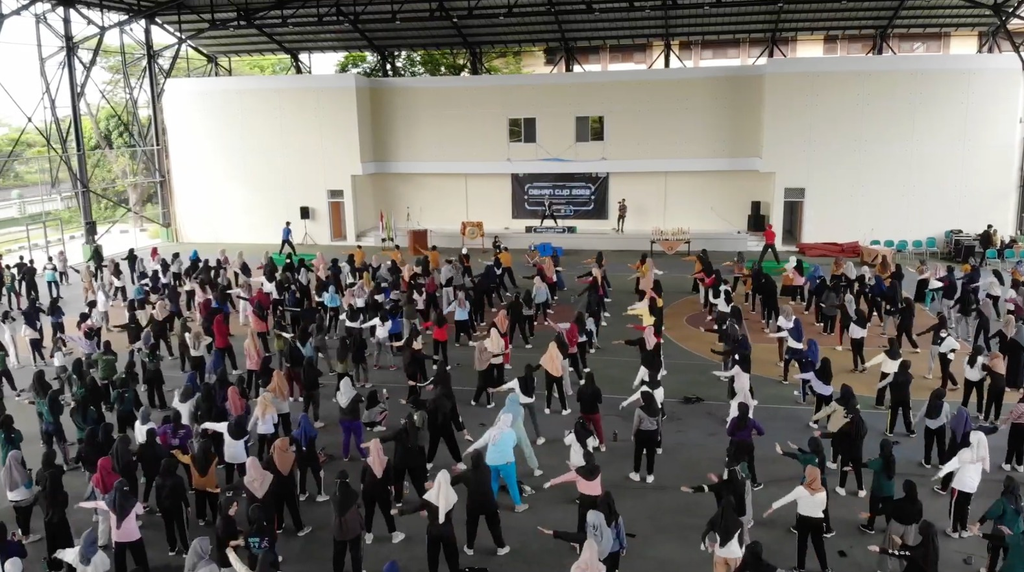
UNISSULA Shares Sports Facilities with Students, Local Schools, and the General Public
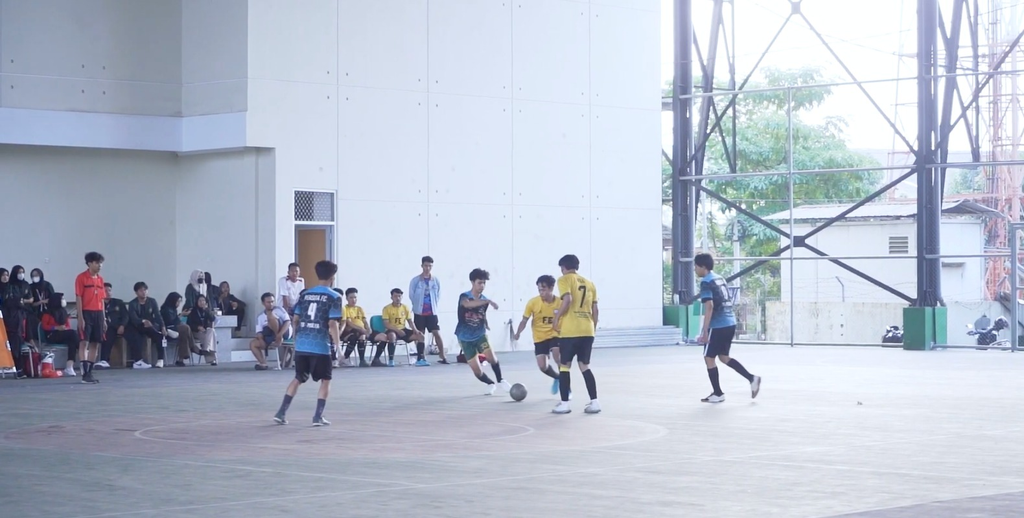
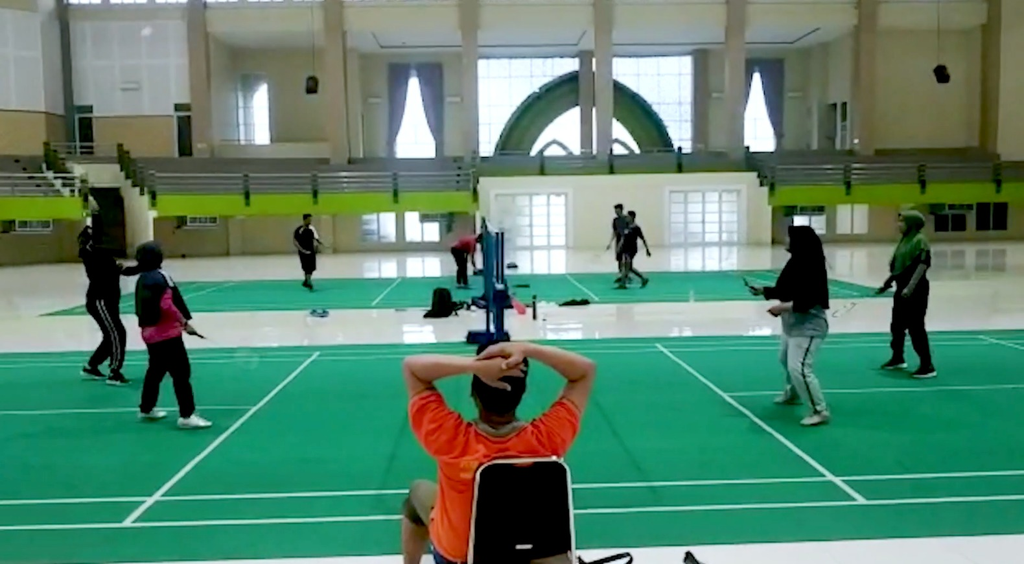
Universitas Islam Sultan Agung (UNISSULA) provides access to its sports facilities for members of the university community as well as external users, including local schools and the general public.
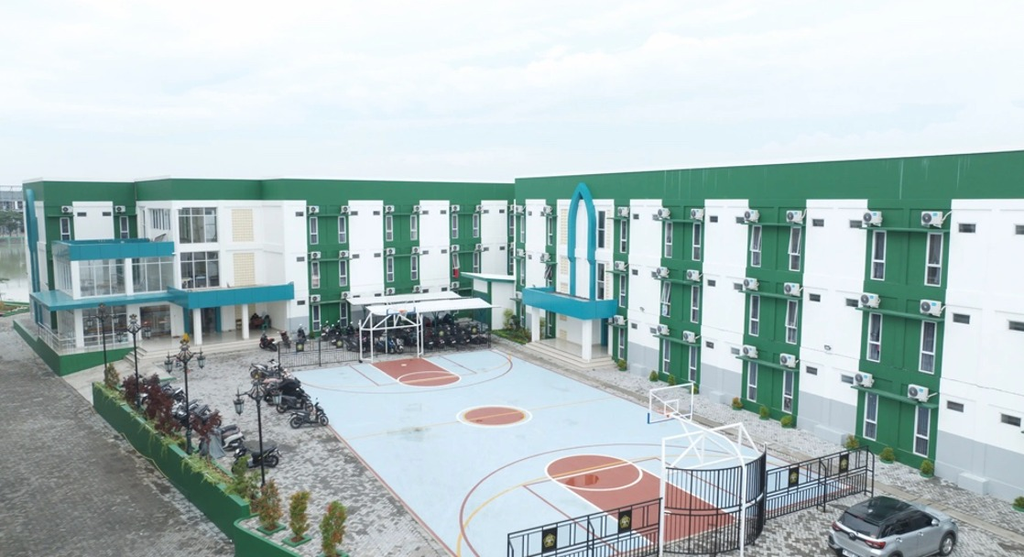
UNISSULA’s sports facilities include outdoor courts, sport centres, and other exercise facilities that support regular physical activity.
Free Access for Students
UNISSULA students may use university sports facilities free of charge.
To avoid scheduling conflicts, students are required to submit or confirm a usage schedule before using shared facilities.
This scheduling arrangement ensures that:
- facilities can be used fairly;
- academic and student activities do not overlap;
- facilities remain available to different user groups; and
- sports spaces can be managed safely and efficiently.
The requirement to schedule use does not represent a charge for students; access remains free.
Shared Access for Local Schools
UNISSULA also shares sports facilities with local junior-high and senior-high schools (SMP and SMA).
Schools may use university sports facilities through coordinated scheduling arrangements.
This sharing supports:
- school sports activities;
- physical education;
- youth exercise;
- inter-institutional engagement;
- community health promotion; and
- wider access to quality sports facilities.
The use of university facilities by local schools represents a direct form of community sharing beyond the university’s own students and staff.
Access for the General Public
Members of the general public may also access selected UNISSULA sports facilities.
Public access is available through a rental or paid-use arrangement, subject to scheduling and facility availability.
This allows local residents and community groups to use university sports infrastructure while ensuring that facilities are maintained and managed properly.
Therefore, UNISSULA applies a mixed access model:
- Students: free access
- Local schools: shared access through scheduling/cooperation
- General public: paid/rental access



Regular and Scheduled Community Use
Access to UNISSULA sports facilities is not limited to one-off events.
Facilities may be used on a regular basis, subject to scheduling and availability.
Regular scheduling helps coordinate access among:
- students;
- university staff;
- local schools;
- community groups; and
- members of the general public.
This approach enables UNISSULA to share sports infrastructure with the wider community while preserving safe and orderly facility management.
Sports Facilities Available for Shared Use
Shared sports infrastructure includes facilities such as:
- basketball courts;
- futsal facilities;
- sport centres;
- outdoor exercise areas;
- jogging and physical-activity areas; and
- other university-managed sports spaces.
These facilities support both organised and recreational physical activity.
Promoting Health and Well-being
Sharing university sports facilities with schools and the wider community contributes to:
- increased opportunities for physical activity;
- healthier lifestyles;
- youth participation in sport;
- community recreation;
- social interaction;
- prevention of sedentary lifestyles; and
- improved physical and mental well-being.
The university therefore uses its sports infrastructure not only for internal academic purposes, but also as a community resource.
2025 Evidence of Shared Use
Evidence of UNISSULA’s shared sports-facility provision includes:
- sports facilities available to students free of charge;
- a scheduling mechanism for student use;
- shared facility access for local SMP and SMA schools;
- regular use arrangements rather than one-off events;
- public access through rental arrangements;
- outdoor basketball and other sports facilities; and
- university sport-centre facilities supporting exercise and recreation.
3.3.4
Sexual and Reproductive Healthcare Services for Students
3.3.4 Sexual and Reproductive Health-Care Services for Students
UNISSULA Provides Free Sexual and Reproductive Health-Care Services for Students
Universitas Islam Sultan Agung (UNISSULA) provides students with access to sexual and reproductive health-care services, information, education, counselling, and preventive screening as part of its commitment to student health and well-being.
The programme was also opened to members of the general public, allowing student health services and community outreach to be integrated into one broader reproductive-health programme.

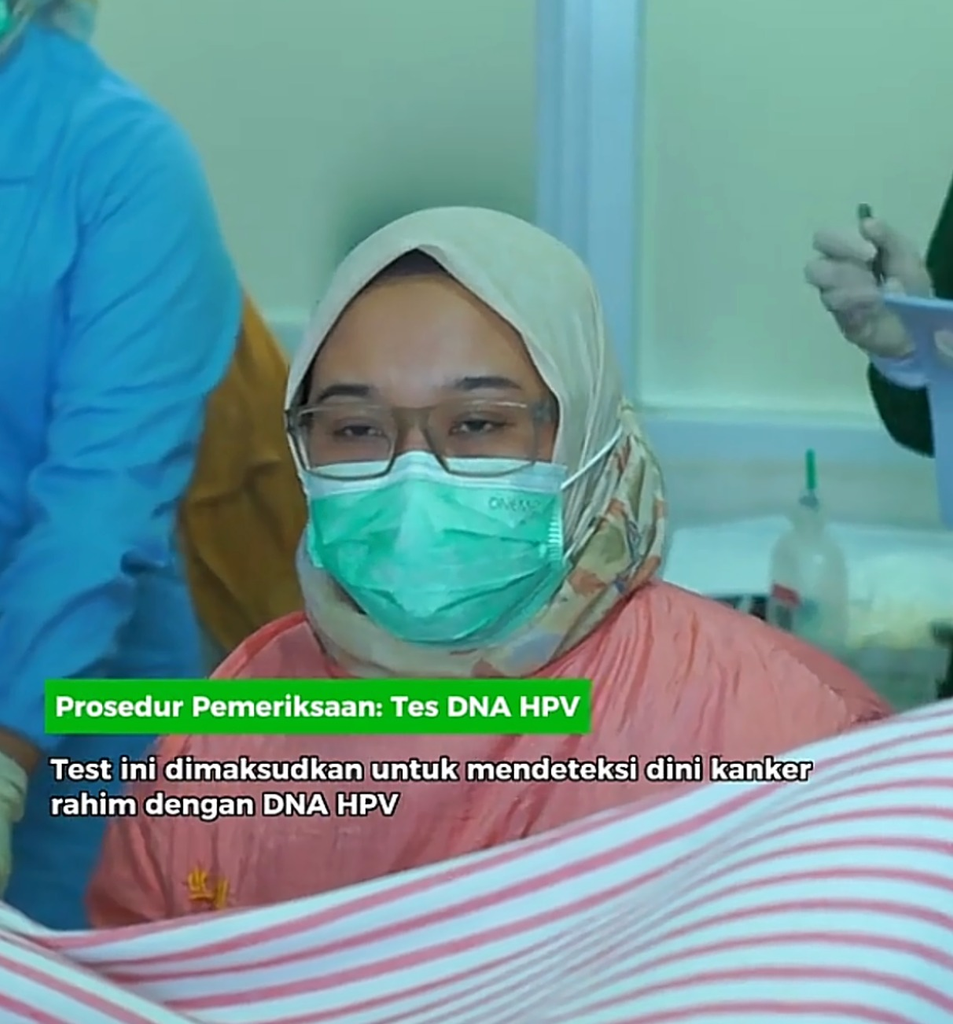
Free Reproductive Health Services in 2025
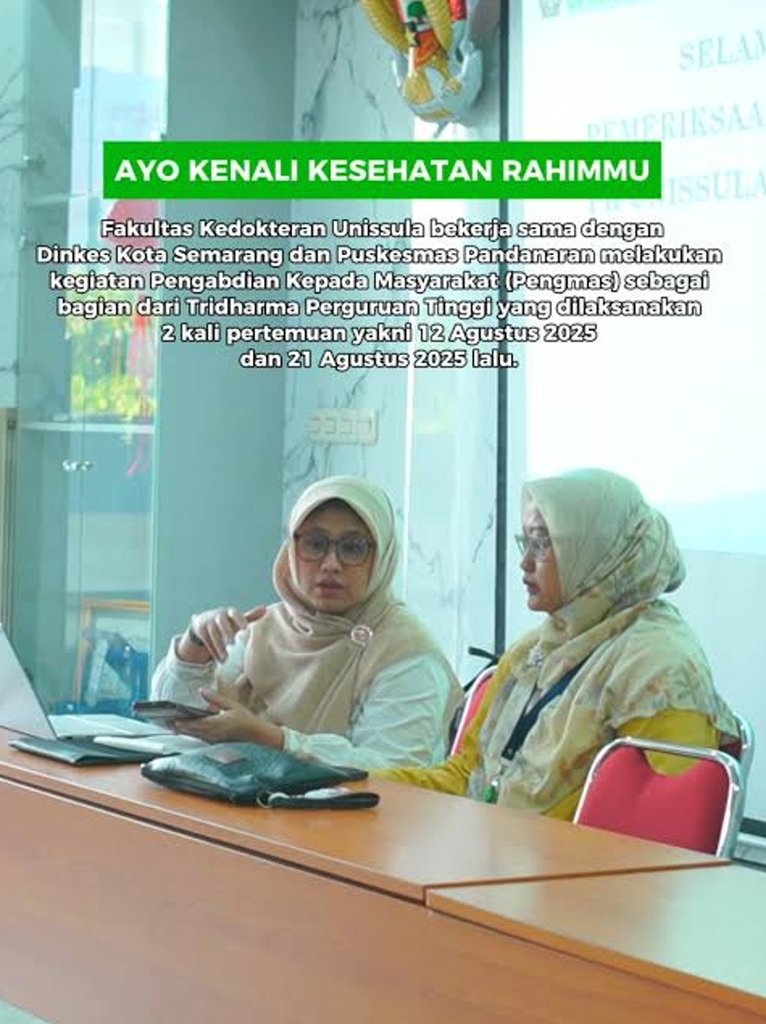
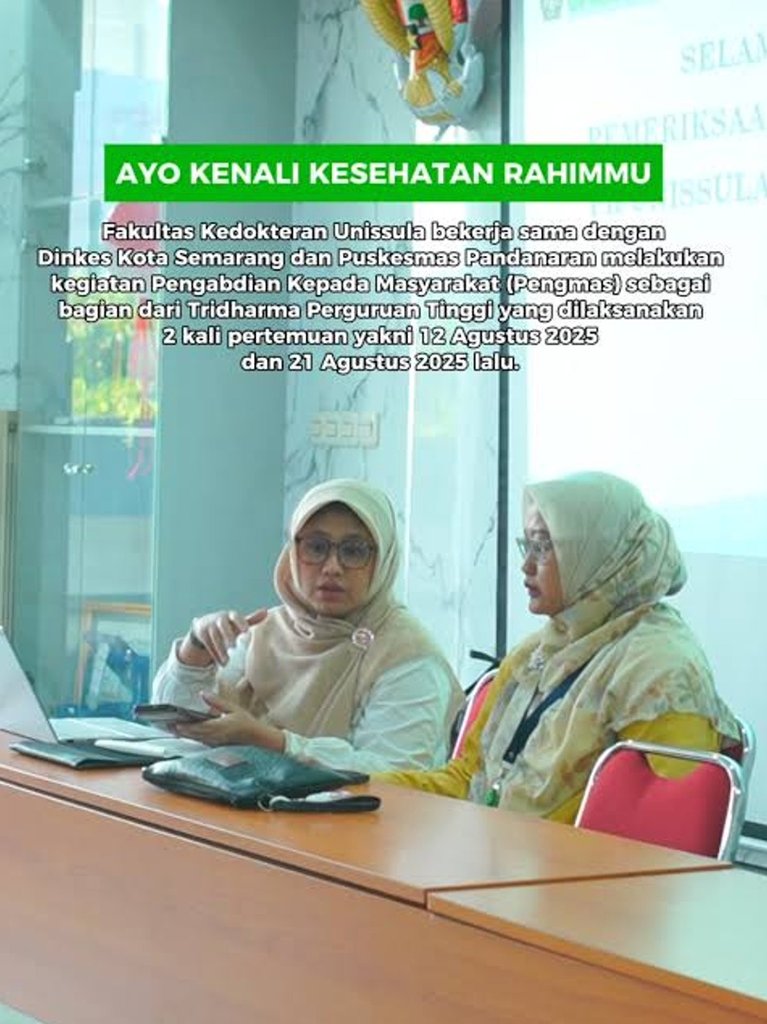
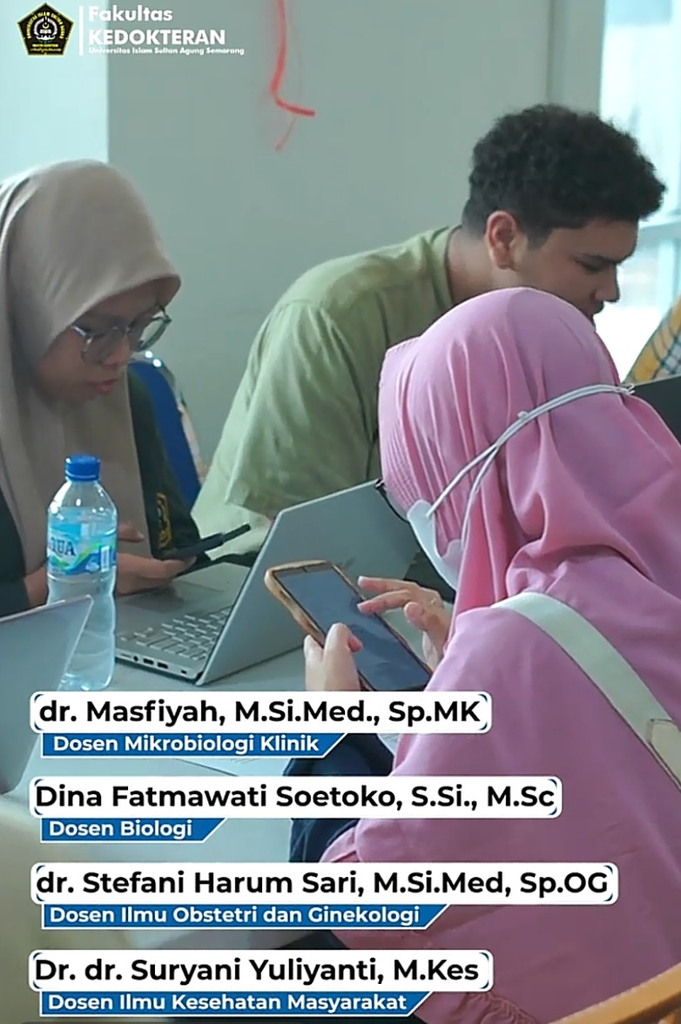
In August 2025, the Faculty of Medicine UNISSULA collaborated with the Semarang City Health Office and Puskesmas Pandanaran to conduct reproductive-health education and examination activities.
The programme was implemented on:
- 12 August 2025
- 21 August 2025
The activity focused on reproductive and cervical health and provided participants with access to preventive health information and services.
The programme included:
- reproductive-health education;
- cervical and uterine health awareness;
- health counselling;
- preventive screening;
- reproductive-health examinations;
- early detection of reproductive-health risks; and
- access to professional health information.
Participation was free of charge for UNISSULA students and members of the general public.
Access for UNISSULA Students
UNISSULA students are able to participate in reproductive-health programmes without charge.
The programme provides students with opportunities to:
- obtain reliable reproductive-health information;
- consult with health professionals;
- improve awareness of reproductive-health risks;
- understand preventive care;
- receive screening where appropriate;
- obtain counselling; and
- receive guidance for further healthcare when required.
This direct access supports student health literacy and enables students to make informed decisions regarding their reproductive health.
Information and Education Services
Reproductive-health information and education form an important part of UNISSULA’s provision.
Topics addressed through UNISSULA reproductive-health activities include:
- reproductive anatomy and function;
- menstrual and reproductive health;
- cervical health;
- sexually transmitted infections;
- pregnancy-related risks;
- reproductive hygiene;
- prevention of reproductive-health problems;
- early detection;
- sexual-health awareness; and
- prevention of sexual violence and harmful behaviour.
UNISSULA has a demonstrated institutional track record in sexual and reproductive health education.
Research and educational activities from UNISSULA have addressed sexual-education awareness among adolescents, including knowledge of puberty, reproductive organs and functions, sexually transmitted diseases, pregnancy risks, and sexuality-related misconceptions. 39239-88564-1-PB
The same work also demonstrates an educational intervention model involving repeated sessions, discussion, and active learning related to sexual-health knowledge. 39239-88564-1-PB
Preventive Reproductive Health Care
UNISSULA’s reproductive-health programme emphasises prevention and early detection.
Preventive services include:
- health education;
- screening;
- counselling;
- cervical-health awareness;
- reproductive-health examinations; and
- referral to appropriate healthcare services when needed.
This approach helps students identify health risks earlier and improves access to professional care.
Integration with Community Health Outreach
The 2025 programme was designed to serve both UNISSULA students and the wider community.
By combining student access with community participation, UNISSULA was able to:
- expand the reach of reproductive-health services;
- improve health awareness;
- strengthen preventive care;
- provide more efficient service delivery; and
- connect student health support with community-health outreach.
This integrated model also strengthens the quality of the programme by involving university health professionals and external public-health partners.
Collaboration with Health Institutions
The programme was implemented in collaboration with:
- Faculty of Medicine UNISSULA;
- Semarang City Health Office; and
- Puskesmas Pandanaran.
This collaboration strengthens the quality of reproductive-health provision by combining university expertise with local healthcare services.
Free Access
All reproductive-health education and screening activities within this programme were provided free of charge for participating UNISSULA students and members of the general public.
This is particularly important for students because free access removes financial barriers to:
- health information;
- counselling;
- screening;
- preventive examination; and
- professional health advice.
2025 Evidence of Provision
UNISSULA’s evidence for this indicator includes:
- a reproductive-health programme implemented in August 2025;
- participation by UNISSULA students;
- participation by members of the general public;
- collaboration between the Faculty of Medicine UNISSULA, Semarang City Health Office, and Puskesmas Pandanaran;
- reproductive-health information and education;
- preventive screening and examination;
- counselling and professional health support; and
- free access for students and community participants.
3.3.5
Mental Health Support for Students
3.3.5 Mental Health Support for Students
UNISSULA Provides Students with Access to Mental Health Support
Universitas Islam Sultan Agung (UNISSULA) provides students with access to mental health support, counselling, psychological services, and guidance as part of its commitment to student well-being.
UNISSULA’s mental-health support system is designed to help students address personal, social, academic, emotional, and psychological challenges that may affect their well-being and academic progress.

Professional Counseling and Psychological Services
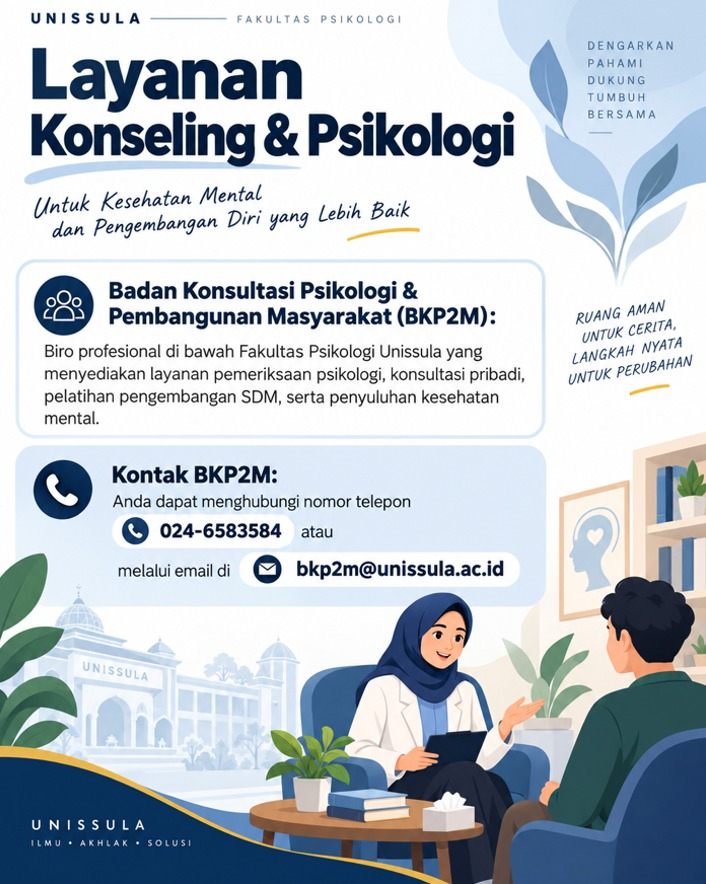
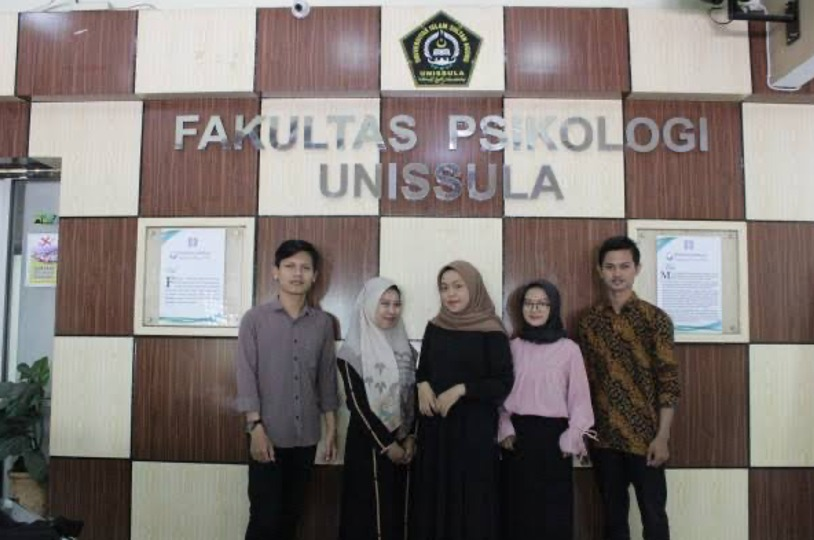
UNISSULA provides professional psychological support through the Faculty of Psychology.
The university’s Badan Konsultasi Psikologi & Pembangunan Masyarakat (BKP2M) functions as a professional psychological-service unit and provides services such as:
- psychological assessment;
- personal consultation;
- psychological counselling;
- mental-health education;
- human-resource development training; and
- mental-health outreach.
Students can access professional support from trained psychology professionals when they experience personal, emotional, social, or academic difficulties.
Counseling and Guidance through the Faculty of Medicine
The Faculty of Medicine UNISSULA also provides dedicated Counseling and Guidance Services for students.
The service supports students in areas including:
- personal development;
- social adjustment;
- academic challenges;
- career development;
- emotional well-being; and
- student welfare.
Counselling services are provided by professional counsellors with relevant expertise.
Students may request support through:
- the Faculty of Medicine Counseling Service Portal;
- academic advisers; or
- the Medical Study Program.
This multi-channel approach improves accessibility and ensures that students can obtain assistance through the pathway most appropriate to their needs.
Student Counseling through WhatsApp
UNISSULA also provides counselling access through WhatsApp chat.
Students who need guidance or counselling can initiate contact directly through the student counselling service.
This online channel improves accessibility by allowing students to seek initial support without needing to visit a counselling office immediately.
WhatsApp-based access can help students:
- ask for assistance confidentially;
- arrange counselling;
- obtain initial guidance;
- communicate concerns;
- receive information about available services; and
- be directed to appropriate professional support.
The availability of digital communication lowers access barriers and makes mental-health support easier to reach.
Academic and Personal Guidance
Mental-health support at UNISSULA is integrated with broader student guidance.
Faculties provide ongoing support to students experiencing:
- academic stress;
- adjustment difficulties;
- personal problems;
- social challenges;
- organisational pressures;
- emotional concerns; and
- issues that may interfere with learning.
Students may also receive support from academic advisers who can identify difficulties and refer students to appropriate counselling or psychological services when required.
Regular Student Monitoring
Student development is monitored throughout the study period.
Academic and non-academic progress is reviewed regularly so that students experiencing difficulties can receive appropriate guidance and intervention.
This preventive approach helps UNISSULA identify issues before they become more serious and encourages early access to support.
Active Promotion of Mental Health
UNISSULA does not rely only on students independently finding mental-health services.
The university actively promotes access through:
- counselling webpages;
- counselling portals;
- faculty student-support services;
- psychological-service information;
- academic advisers;
- WhatsApp counselling;
- mental-health education; and
- direct referral to professional services.
This active promotion helps normalise help-seeking and ensures students know where to obtain support.
Confidential and Accessible Support
Mental-health counselling is designed to provide students with an appropriate and supportive environment in which they can discuss personal or academic concerns.
Students can access support through multiple channels:
face-to-face professional services → faculty counselling → academic advisers → online portal → WhatsApp chat
This flexible system allows students to select an access method that suits their circumstances.
Free Access for Students
Where provided through university student-support and counselling services, access is free of charge for UNISSULA students.
Free access helps remove financial barriers to:
- counselling;
- initial consultation;
- mental-health guidance;
- student-support services; and
- referrals to appropriate university support.
This enables students to seek help when needed without cost becoming a barrier.
2025 Evidence of Provision
UNISSULA’s evidence of student mental-health support includes:
- Professional psychological services through BKP2M, Faculty of Psychology.
- Counseling and Guidance Services in the Faculty of Medicine.
- A dedicated Faculty of Medicine Counseling Service Portal.
- Access through academic advisers and study programmes.
- Student counselling and guidance services provided by faculties.
- Direct counselling access through WhatsApp chat.
- Regular academic and non-academic monitoring of students.
- Mental-health education and psychological consultation services.
3.3.6
Smoke-free Policy
3.3.6 Smoke-Free Policy
UNISSULA Implements a Fully Smoke-Free Campus Policy
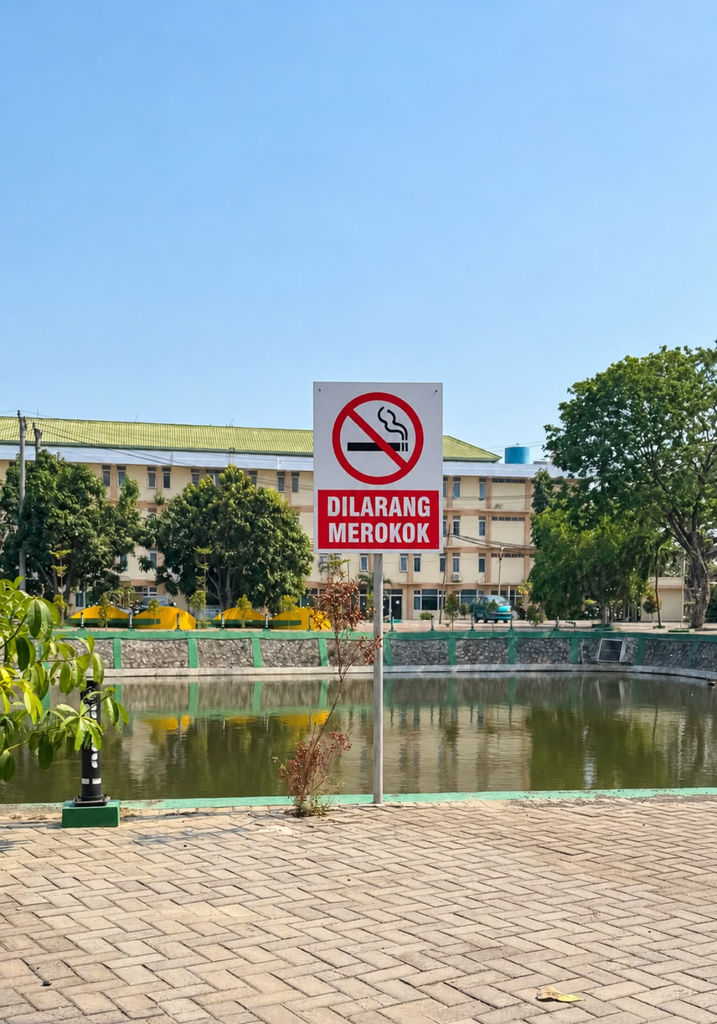
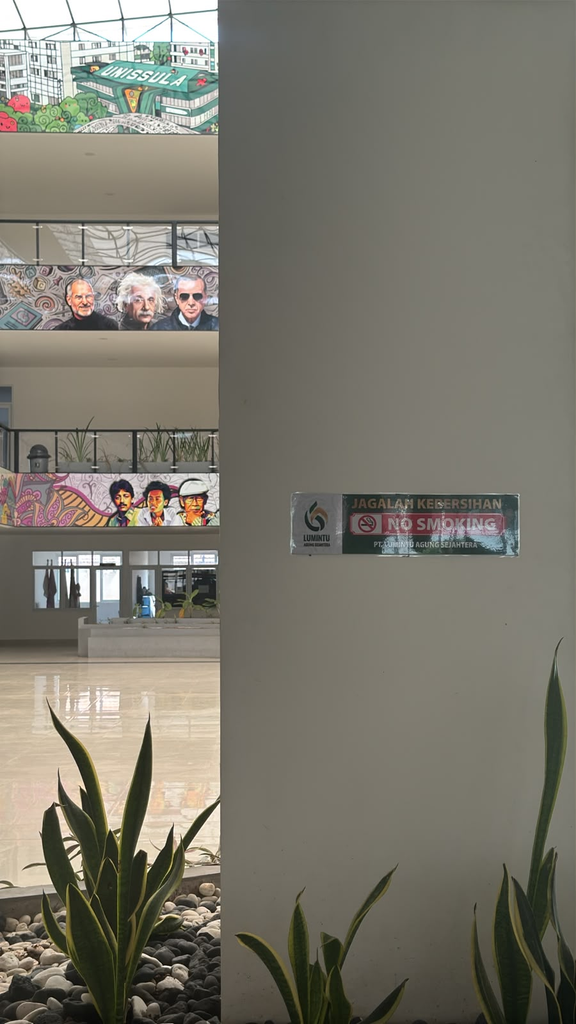
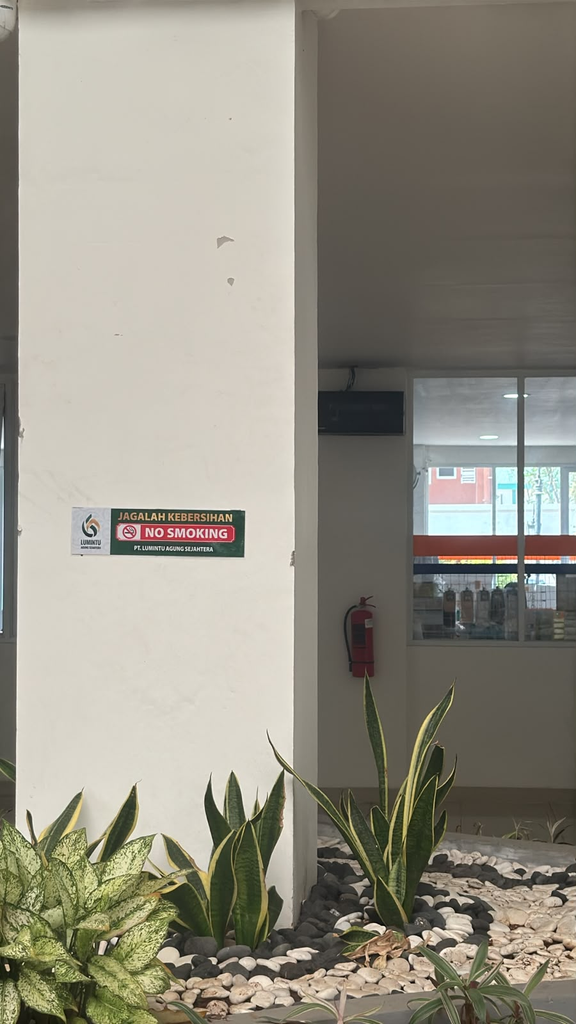
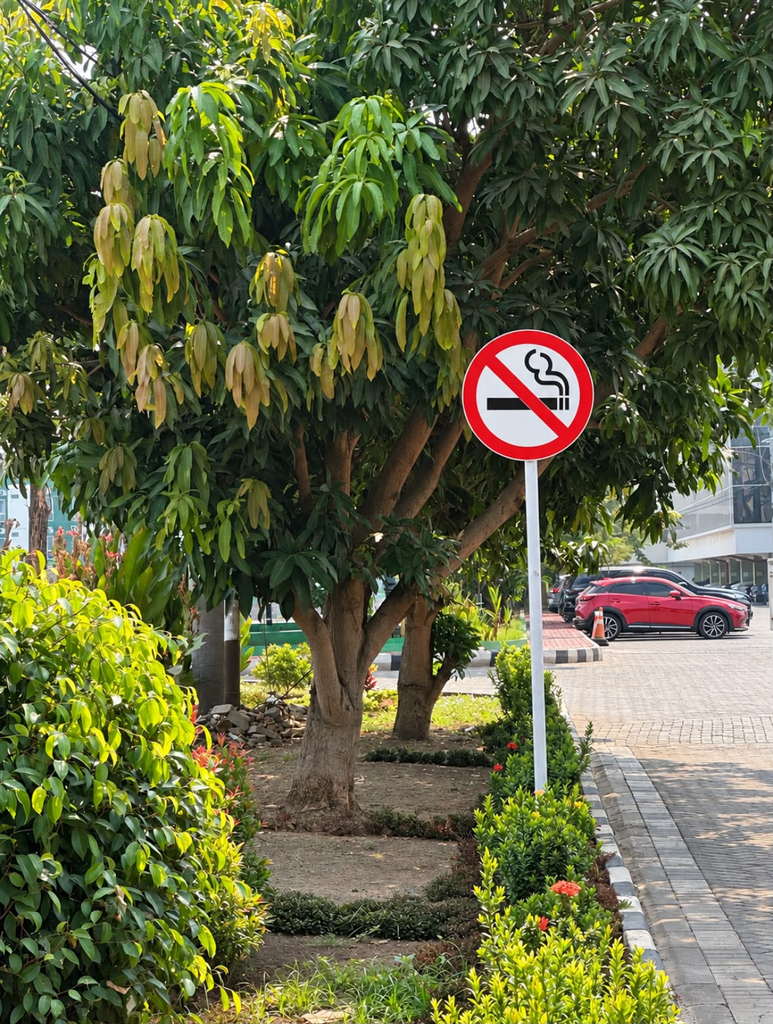
Universitas Islam Sultan Agung (UNISSULA) implements a fully smoke-free campus policy across the university environment.
Smoking and the use of tobacco products are prohibited in all indoor and outdoor areas of the university, including teaching and learning spaces, workplaces, healthcare facilities, places of worship, public areas, transportation facilities, and other university premises.
UNISSULA does not provide designated smoking areas on campus.
The policy supports a healthier, safer, and cleaner environment for students, lecturers, staff, visitors, and the wider university community.
Institutional Smoke-Free Policy
UNISSULA formalised its smoke-free policy through Rector Circular Letter No. 9243/J/SA/IX/2024 concerning the prohibition of smoking.
The circular was addressed to university leaders, faculties, administrative units, institutions, bureaus, UPTs, lecturers, education staff, and students, and instructed all university units to socialise and implement the smoking prohibition within their respective environments.
The policy was also reinforced by YBWSA Circular Letter No. 930/YBW-SA/IX/2024, which established smoke-free areas across institutions under the Sultan Agung foundation environment.
Areas Covered by the Policy
The smoke-free policy covers areas including:
- healthcare facilities;
- teaching and learning areas;
- children’s play areas;
- places of worship;
- public transportation;
- workplaces;
- public areas; and
- other designated areas.
Within UNISSULA, the prohibition applies throughout the campus environment.
This includes indoor areas such as classrooms, laboratories, offices, libraries, meeting rooms, student-service areas, healthcare facilities, places of worship, and other enclosed university spaces.
It also includes outdoor areas such as campus roads, courtyards, gardens, sports areas, parking areas, pedestrian areas, public gathering spaces, and other open university premises.
No Designated Smoking Areas
UNISSULA applies a full smoke-free approach.
Smoking is not permitted in either indoor or outdoor university areas, and the university does not provide designated smoking zones.
This ensures that all members of the university community are protected from tobacco smoke throughout the campus environment.
Coverage of the University Community
The policy applies to:
- students;
- lecturers;
- academic staff;
- administrative staff;
- university leaders;
- visitors;
- service providers; and
- other people present within the university environment.
The same smoke-free standard applies across university activities and facilities.
Ongoing Implementation of the Smoke-Free Policy
UNISSULA’s smoke-free policy has been implemented since 2024 and continues to apply across the university environment.
The policy is communicated through faculties, bureaus, institutions, units, and other organisational structures to ensure consistent implementation throughout the campus.
Its continued implementation supports a healthy campus environment by maintaining smoke-free standards across teaching areas, workplaces, healthcare facilities, places of worship, public spaces, and other university premises.
UNISSULA continues to reinforce the policy through institutional communication, awareness, and monitoring as part of its commitment to protecting the health and well-being of students, staff, and visitors.
Policy Communication and Socialisation
The Rector Circular instructs university organisational units to communicate and implement the smoking prohibition within their respective areas.
Implementation includes:
- communication of the smoking prohibition;
- institutional socialisation;
- smoke-free signage;
- awareness among students and staff;
- monitoring of university environments; and
- reinforcement through faculty and unit-level management.
This helps ensure that the policy is understood and applied consistently.
Smoke-Free Learning Environment
UNISSULA maintains smoke-free teaching and learning areas to support a healthy academic environment.
The prohibition protects students, lecturers, and staff from exposure to tobacco smoke in:
- classrooms;
- laboratories;
- libraries;
- study spaces;
- academic buildings; and
- other educational facilities.
A smoke-free learning environment also supports healthy behaviour and student well-being.
Smoke-Free Workplace
The smoke-free policy also applies to university workplaces.
Lecturers, administrative staff, professional staff, and other employees work within a smoke-free environment across offices, service units, and other workplace facilities.
This contributes to occupational health and a healthier working environment.
Smoke-Free Healthcare Facilities
Healthcare facilities within the university environment are covered by the smoking prohibition.
Maintaining smoke-free healthcare settings helps protect patients, students, health professionals, staff, and visitors while supporting preventive-health principles.
Smoke-Free Places of Worship and Public Areas
Places of worship and public areas within the university are also smoke-free.
This ensures that students, staff, visitors, and community members can use shared university spaces without exposure to tobacco smoke.
Smoke-Free Outdoor Environment
The policy is not limited to enclosed buildings.
Outdoor university spaces are also smoke-free, including:
- campus roads;
- pedestrian areas;
- courtyards;
- gardens;
- parking areas;
- sports areas;
- gathering spaces; and
- other open campus areas.
This campus-wide approach provides consistent protection from tobacco smoke throughout the university.
Protecting Health and Well-being
UNISSULA’s smoke-free policy contributes to health and well-being by helping to:
- reduce exposure to second-hand smoke;
- discourage tobacco use;
- improve air quality;
- protect students and staff;
- create healthier learning environments;
- support healthier behaviour; and
- reduce tobacco-related health risks.
The policy forms part of the university’s broader commitment to preventive health and a healthy campus environment.
Evidence of Implementation
UNISSULA’s smoke-free policy is demonstrated through:
- Rector Circular Letter No. 9243/J/SA/IX/2024 oncerning the prohibition of smoking;
- YBWSA Circular Letter No. 930/YBW-SA/IX/2024 supporting smoke-free areas;
- university-wide communication of the smoking prohibition;
- application to teaching, healthcare, workplace, worship, public, and other university areas;
- coverage of both indoor and outdoor spaces;
- absence of designated smoking areas on campus; and
- continued implementation through university organisational units.
3.3.7
3.3.7 Mental Health Support for Staff
3.3.7 Mental Health Support for Staff
UNISSULA Provides Mental Health Support for Lecturers and Staff
Universitas Islam Sultan Agung (UNISSULA) provides lecturers and staff with access to mental-health support, psychological consultation, counselling, and related well-being services.
The services are available not only to students but also to lecturers and university staff, providing an institutional support pathway for personal, emotional, psychological, social, and work-related concerns.
Professional Psychological Support through BKP2M
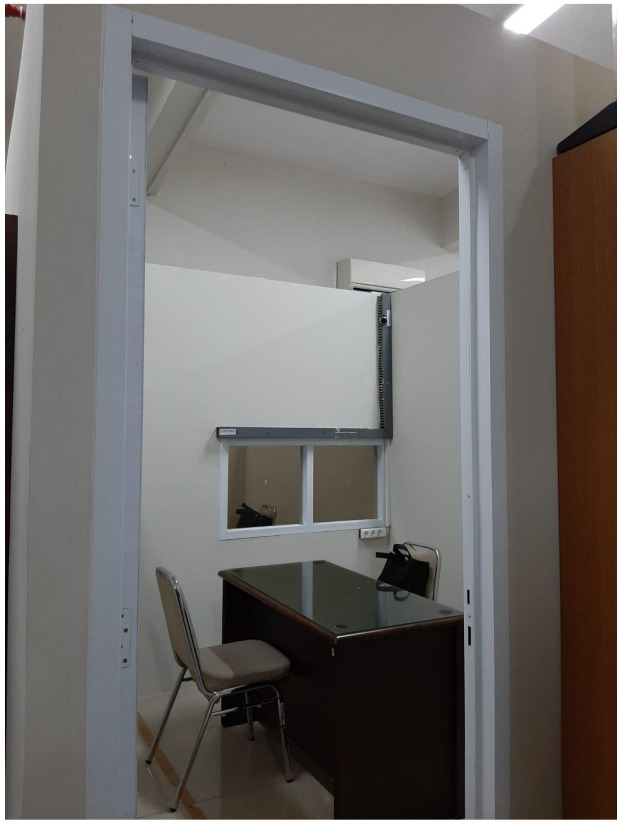
BKP2M is a professional psychological-service unit under the Faculty of Psychology UNISSULA.
The unit provides services including:
- psychological assessment;
- personal consultation;
- psychological counselling;
- mental-health education;
- human-resource development training; and
- mental-health outreach.
Lecturers and staff may access professional support when they experience psychological, emotional, personal, social, or workplace-related difficulties.

Access to Counselling Services
UNISSULA provides multiple access channels to mental-health support.
Lecturers and staff can seek assistance through:
- professional psychological services;
- direct consultation with counsellors;
- faculty or university support channels;
- telephone contact;
- email communication; and
- digital communication channels where available.
This multi-channel system makes support easier to access and reduces barriers to seeking help.
Mental Health Information and Promotion
UNISSULA also promotes mental well-being through information and awareness activities.
Mental-health promotion includes:
- counselling information;
- psychological-service information;
- mental-health education;
- personal-development support;
- workplace well-being awareness; and
- guidance on accessing professional help.
By making service information publicly available, UNISSULA actively encourages members of the university community to seek appropriate support when needed.
Support for Work-Related and Personal Well-being
Mental-health support is relevant to a range of concerns experienced by staff, including:
- work stress;
- workload pressure;
- personal difficulties;
- emotional concerns;
- interpersonal problems;
- adjustment issues;
- family-related concerns; and
- other matters affecting psychological well-being.
Access to professional counselling helps staff address these issues in a structured and confidential setting.
Accessible Professional Services
The availability of professional psychological support within the university environment allows lecturers and staff to access services without needing to identify external providers independently.
BKP2M serves as an institutional access point for:
- psychological consultation;
- assessment;
- counselling;
- mental-health guidance; and
- referral when additional support is required.
Free Access for Staff
Where provided through university-supported counselling and mental-health services, access is free of charge for UNISSULA lecturers and staff.
Free access helps remove financial barriers and encourages early help-seeking.
This enables staff to obtain:
- initial consultation;
- mental-health guidance;
- counselling support;
- information about appropriate services; and
- referral where necessary.
Active Promotion of Good Mental Health
UNISSULA’s approach is not limited to responding after psychological problems occur.
The university also promotes good mental health by:
- providing accessible counselling information;
- maintaining professional psychological-service facilities;
- offering mental-health education;
- supporting personal and professional development;
- providing consultation channels; and
- encouraging staff to seek assistance when needed.
This approach supports both prevention and early intervention.
2025 Evidence of Provision
UNISSULA’s evidence of mental-health support for staff includes:
- professional psychological services through BKP2M Faculty of Psychology;
- psychological consultation and counselling;
- psychological assessment;
- mental-health education and outreach;
- contact access through telephone and email;
- services available to lecturers and university staff; and
- institutional promotion of psychological and mental-health support.