

















11.2.6 Recording and Preserving Intangible Cultural Heritage
Recording and Preserving Cultural Heritage at UNISSULA
Universitas Islam Sultan Agung (UNISSULA) contributes to the recording and preservation of intangible cultural heritage through cultural performances, documentation, student participation, public cultural activities, and publicly accessible audiovisual records.
The university supports the continuation of Indonesian and local cultural traditions through activities involving wayang, traditional dance, Islamic musical traditions, sholawat, rebana, and related cultural practices.
These activities enable cultural knowledge and traditions to be practised, transmitted to younger generations, documented, and made accessible to wider audiences.


Intangible Cultural Heritage as Living Tradition
UNISSULA approaches cultural heritage not only as historical material to be preserved in archives, but also as a living tradition.
Cultural heritage is maintained through:
- public performances;
- student participation;
- cultural education;
- intergenerational transmission;
- photographic documentation;
- audiovisual recording; and
- public dissemination through digital media.
This approach helps ensure that cultural traditions remain active and visible rather than existing only as historical records.
Preservation of Traditional Dance
Traditional dance forms an important part of UNISSULA’s cultural activities.
Students participate in traditional dance performances during university ceremonies, cultural events, public activities, and other institutional programmes.
Traditional dance preserves cultural knowledge through:
- movement;
- traditional costume;
- music;
- choreography;
- symbolic expression; and
- cultural narratives.
By continuing to perform and document these dances, UNISSULA contributes to the transmission of traditional artistic knowledge to younger generations.
The photographic documentation of traditional dance performances also creates a lasting record of these cultural practices.
Local and Regional Cultural Heritage
Traditional dance activities provide an important mechanism for preserving local and regional cultural heritage.
Through participation in performances and cultural programmes, students become directly involved in maintaining traditions that are associated with Indonesian regional identities.
This contributes to cultural continuity by combining:
Practice → Performance → Documentation → Transmission
Rather than treating cultural heritage as static, UNISSULA encourages students to experience and reproduce cultural traditions through active participation.
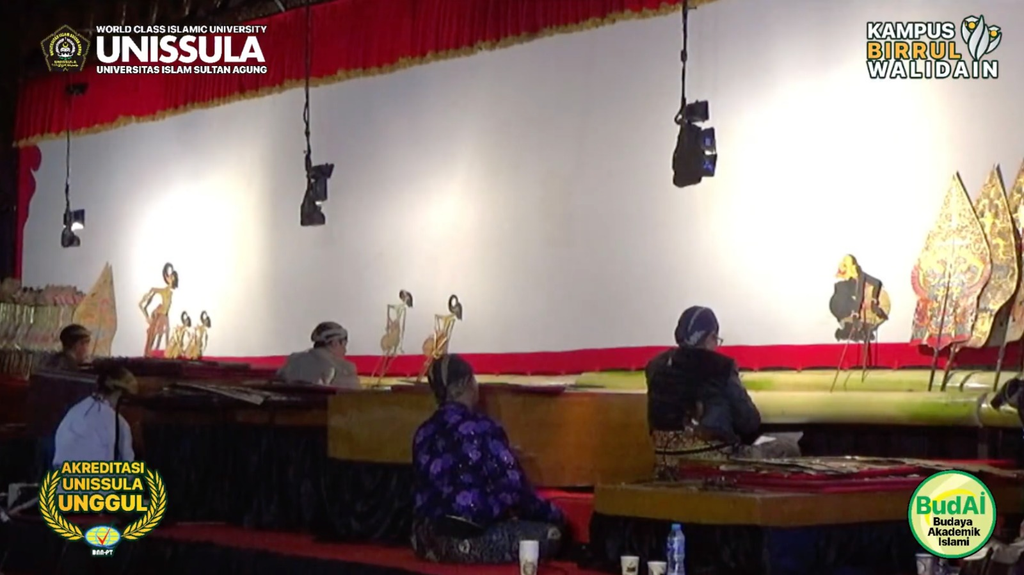
Preservation of Wayang
UNISSULA also supports the preservation of wayang, one of Indonesia’s most important traditional performing arts.
Wayang combines multiple forms of intangible cultural heritage, including:
- storytelling;
- oral tradition;
- traditional music;
- visual symbolism;
- performance techniques;
- language;
- philosophy;
- historical narratives; and
- traditional knowledge.
Through wayang performances and their documentation, UNISSULA contributes to maintaining this cultural tradition and making it visible to contemporary audiences.
Wayang as National Cultural Heritage
Wayang has significance extending beyond a single region and represents an important part of Indonesian cultural heritage.
UNISSULA’s involvement in wayang activities supports the continued transmission of traditional knowledge associated with:
- characters and stories;
- performance practices;
- moral narratives;
- local wisdom;
- traditional musical accompaniment; and
- cultural interpretation.
The documentation of wayang performances also creates audiovisual records that can be accessed after the live performance has ended.
Recording Cultural Performances
An important component of UNISSULA’s heritage-preservation approach is the recording of cultural activities.
Photographs and video recordings enable performances to be preserved beyond the original event.
This creates documentation that can support:
- cultural education;
- historical records;
- public awareness;
- future research;
- institutional memory; and
- continued appreciation of traditional arts.
Recording therefore strengthens the preservation function of cultural performances.
Islamic Cultural Traditions
UNISSULA also preserves forms of Islamic cultural heritage through activities such as sholawat, rebana, collective religious gatherings, and Islamic musical traditions.
These traditions combine religious practice with forms of cultural expression that have developed within Indonesian Muslim communities.
Their continuation involves:
- oral transmission;
- collective recitation;
- musical rhythm;
- community participation;
- religious knowledge; and
- cultural practice.
UNISSULA supports these traditions through university and community activities involving students, lecturers, staff, religious figures, and members of the wider community.
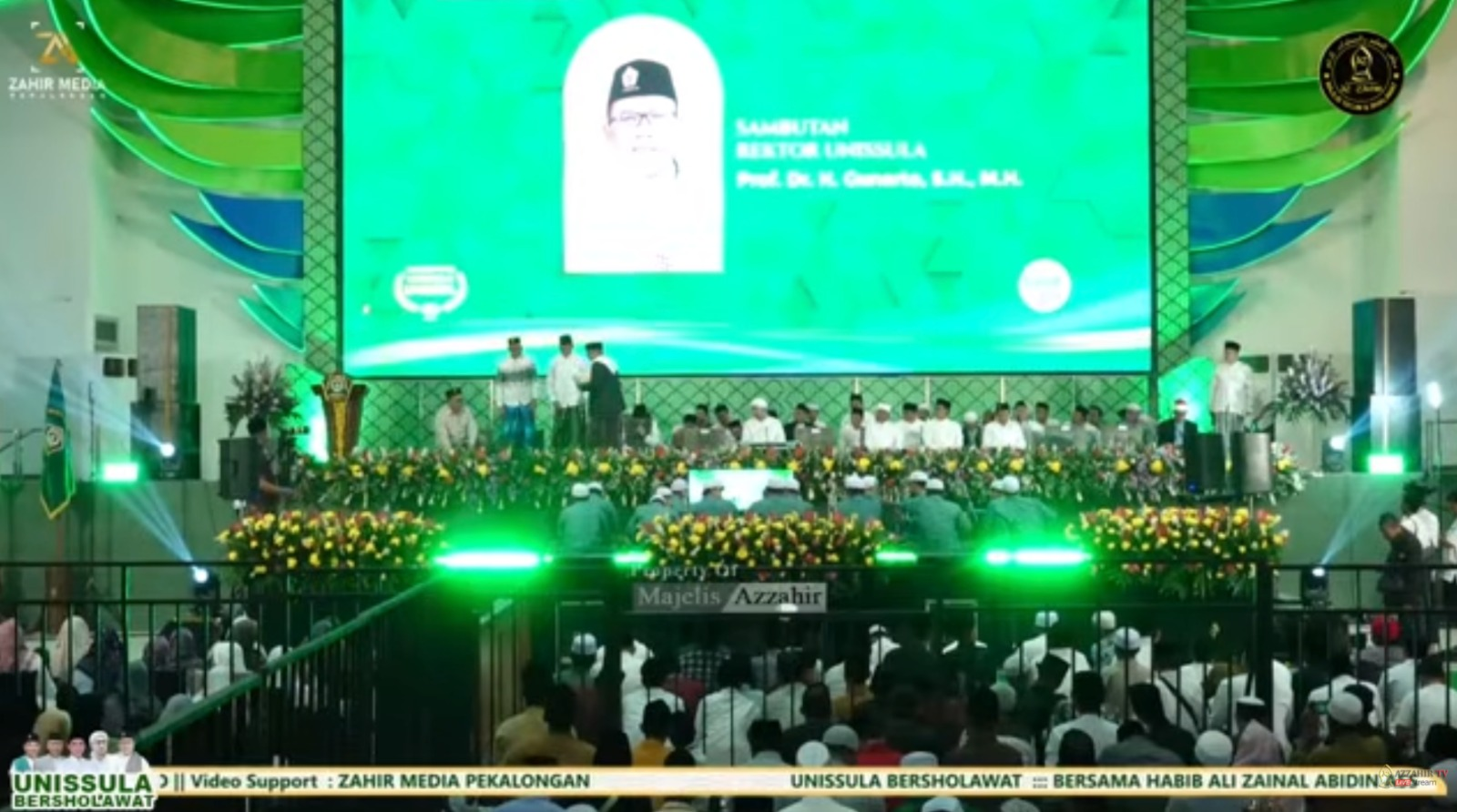
UNISSULA Bersholawat
One example is UNISSULA Bersholawat, a public cultural and religious activity involving collective sholawat and Islamic musical traditions.
The programme brings together the university community and wider public in the continuation of Islamic cultural practices.
Through collective participation, the event supports the transmission of:
- sholawat traditions;
- religious poetry;
- Islamic musical expression;
- community religious practices; and
- cultural knowledge associated with Indonesian Islamic traditions.
The activity is also documented through publicly accessible audiovisual recordings.
Public Audiovisual Documentation
UNISSULA makes recordings of cultural and religious activities available through digital media, allowing these traditions to remain accessible beyond the original event.
Public audiovisual evidence includes:
- UNISSULA cultural heritage video documentation;
- UNISSULA Bersholawat public documentation.
These recordings provide evidence that cultural traditions are not only practised but also recorded and preserved in a reusable digital format.
Rebana and Islamic Musical Heritage
Rebana represents another form of cultural expression supported within UNISSULA’s cultural environment.
Rebana performances combine:
- traditional percussion;
- religious poetry;
- collective singing;
- Islamic cultural expression; and
- community participation.
Supporting these performances contributes to the continuation of a form of cultural knowledge transmitted through practice and performance.
Documentation further allows these traditions to be preserved and disseminated to audiences beyond those attending the original activity.
Oral and Performative Knowledge
Much intangible cultural heritage depends on knowledge that is transmitted orally or through direct participation.
Traditional dance, wayang, sholawat, and rebana are particularly dependent on this process because their cultural value cannot be fully represented by physical objects alone.
They require the continuation of:
- performance skills;
- oral knowledge;
- musical techniques;
- choreography;
- stories;
- values; and
- community practices.
By providing spaces for participation and documentation, UNISSULA helps maintain these forms of knowledge.
Student Participation in Cultural Preservation
Students play an important role in UNISSULA’s cultural heritage activities.
Participation enables students to learn cultural practices directly while also helping maintain their continuity.
Student involvement includes:
- learning traditional performance techniques;
- participating in cultural events;
- performing traditional dance;
- participating in Islamic cultural performances;
- engaging with traditional narratives; and
- supporting documentation and dissemination.
This creates an intergenerational mechanism for cultural transmission.
Public Engagement
UNISSULA cultural activities are not limited to classroom teaching.
Many are presented through public-facing events, ceremonies, community programmes, and digital platforms.
This public dimension helps increase awareness of cultural traditions and enables cultural heritage to reach audiences beyond the university community.
Public participation and public documentation strengthen the social value of heritage preservation.
Digital Preservation
Digital media provide an important additional layer of preservation.
Video documentation enables cultural performances to remain available after the original event has concluded.
Digital preservation supports:
- repeated public viewing;
- educational use;
- documentation of performance traditions;
- preservation of oral and musical practices;
- institutional archives; and
- wider cultural dissemination.
Through public video documentation, UNISSULA extends cultural preservation from physical events into a digital environment.
Cultural Heritage and University Identity
Cultural preservation is also connected with UNISSULA’s institutional identity.
As an Islamic university in Central Java, UNISSULA operates within a cultural environment influenced by:
- Javanese traditions;
- Indonesian national culture;
- Islamic cultural practices; and
- local community traditions.
Activities involving traditional dance, wayang, sholawat, and rebana reflect this combination of local, national, and religious-cultural heritage.
Local, Regional and National Heritage
UNISSULA’s heritage activities address different levels of cultural significance.
Traditional and regional performing arts contribute to the preservation of local and regional heritage, while wayang and broader Indonesian traditions contribute to the preservation of national cultural heritage.
Islamic cultural practices such as sholawat and rebana provide an additional dimension of living religious-cultural heritage.
This creates a diverse preservation framework:
Local and regional traditions + National heritage + Islamic cultural traditions
Heritage through Performance and Documentation
UNISSULA combines two important approaches to cultural preservation.
The first is active practice, where students and communities continue performing traditional arts.
The second is documentation, where cultural activities are captured through photographs, videos, and digital publication.
The resulting model is:
Practice → Performance → Recording → Public dissemination → Preservation
This helps ensure that cultural heritage remains both actively practised and permanently documented.
Supporting Cultural Continuity
Cultural heritage can decline when younger generations no longer practise or experience traditional forms of expression.
University participation can help address this challenge by creating opportunities for students to learn, perform, document, and share cultural traditions.
UNISSULA’s activities therefore support cultural continuity by connecting traditional knowledge with contemporary university life.
Publicly Accessible Cultural Records
Public documentation is especially important because it allows cultural records to be accessed beyond the physical campus.
Online video recordings provide opportunities for:
- students;
- researchers;
- schools;
- cultural communities;
- alumni; and
- members of the public
to view and learn from documented cultural activities.
This increases both the accessibility and durability of cultural records.
Relationship with Arts and Heritage Activities
The heritage-preservation initiatives complement UNISSULA’s broader contribution to arts and culture.
While public performances support 11.2.5 Arts and Heritage Contribution, recording and preserving the knowledge, traditions, practices, and audiovisual documentation associated with those activities supports 11.2.6 Record and Preserve Cultural Heritage.
The distinction can be expressed as:
11.2.5 → Performing cultural arts
11.2.6 → Recording, transmitting and preserving cultural heritage
Contribution to SDG 11
UNISSULA’s activities contribute to SDG 11: Sustainable Cities and Communities, particularly the preservation of cultural heritage.
THE Sustainability Impact Ratings 2027 recognises projects that record and preserve intangible cultural heritage, including local folklore, traditions, language, and knowledge. The methodology separately recognises local/regional heritage, national heritage, and heritage associated with displaced communities.
UNISSULA’s documented activities primarily demonstrate contributions to local/regional and national cultural heritage through traditional arts, wayang, Islamic cultural traditions, and audiovisual documentation.
Evidence of Implementation
UNISSULA’s contribution to recording and preserving intangible cultural heritage is demonstrated through:
- Traditional dance performances preserving regional cultural practices.
- Photographic documentation of traditional dance activities.
- Wayang performances preserving Indonesian traditional storytelling and performance knowledge.
- Audiovisual documentation of wayang activities.
- Preservation of Islamic cultural traditions through sholawat.
- Preservation of rebana and Islamic musical practices.
- UNISSULA Bersholawat as a public religious-cultural tradition.
- Student participation in traditional and cultural performance activities.
- Public cultural performances connecting heritage with wider communities.
- Photographic records of cultural activities.
- Publicly accessible video documentation.
- Digital dissemination enabling cultural activities to remain accessible after the original performances.
- Continued transmission of cultural knowledge through participation, performance, and documentation.
- Preservation of both local/regional and Indonesian national cultural heritage.