

















13.2.1 Low-Carbon Energy Tracking Across the University
Universitas Islam Sultan Agung (UNISSULA) monitors energy consumption across its university operations as part of its institutional approach to energy efficiency, environmental management, and the transition toward lower-carbon energy use.
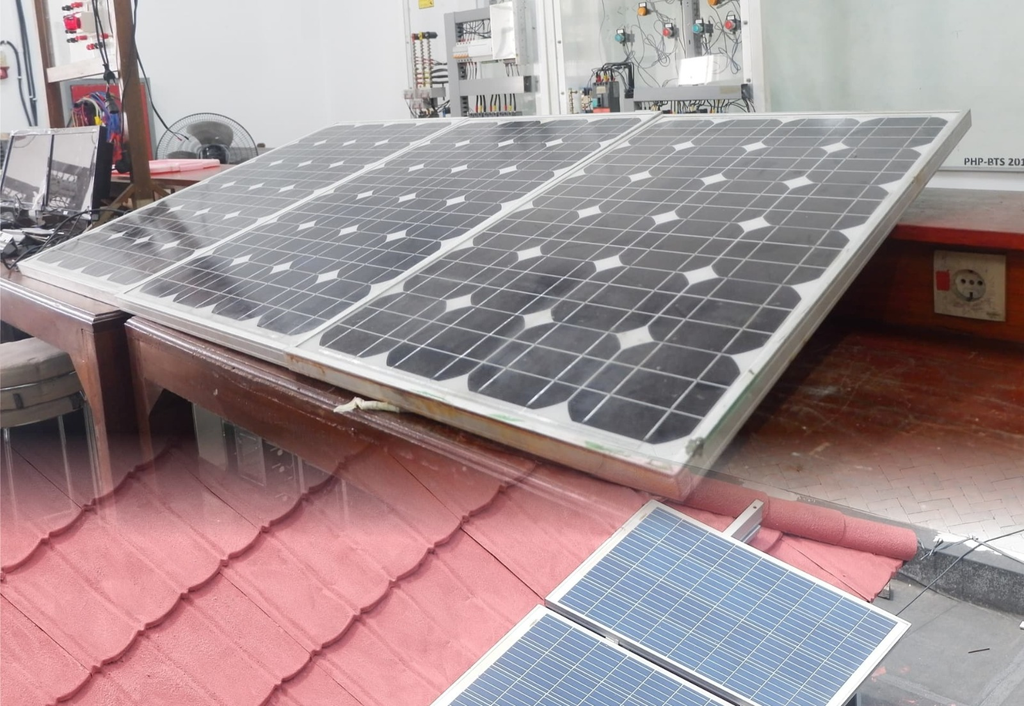
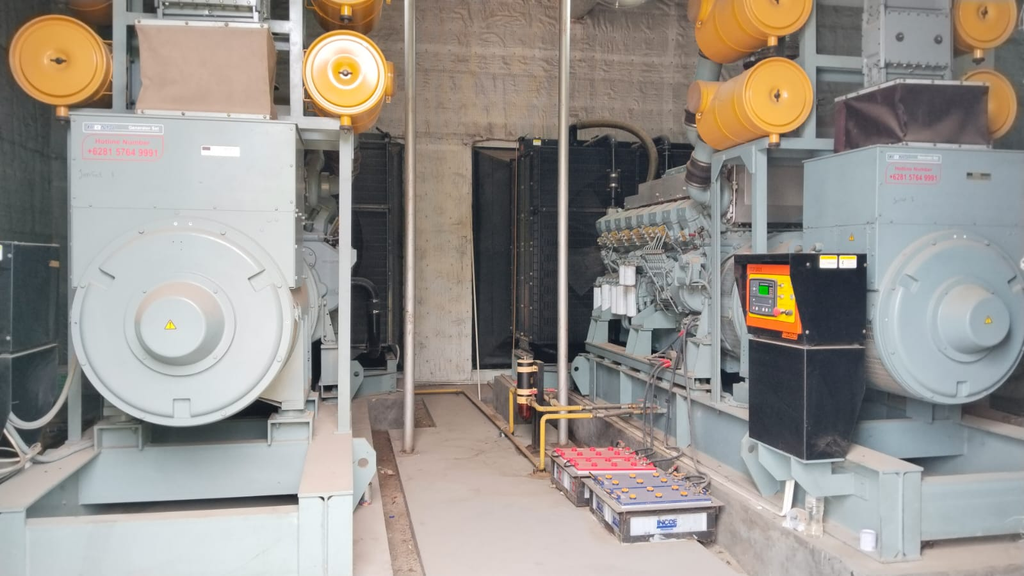
The monitoring framework records total institutional energy use and separately identifies energy derived from low-carbon sources. In 2025, low-carbon energy at UNISSULA was supplied primarily through Solar Photovoltaic (Solar PV / PLTS) systems and biodiesel used within university operations.
This approach enables UNISSULA to quantify the contribution of low-carbon energy to overall institutional energy consumption and to establish a measurable baseline for future energy-management improvements.
University-Wide Energy Monitoring
UNISSULA maintains energy-consumption records across its major academic, administrative, service, religious, and student facilities.
As part of the university’s 2025 energy review, electricity consumption was monitored across 19 major buildings and facilities, including faculties, academic buildings, the Rectorate, Library, Auditorium, laboratories, student facilities, canteen, mosque, and other operational areas.
This building-level monitoring forms part of a broader institutional energy inventory used to evaluate energy demand, identify areas of high consumption, support energy-efficiency measures, and monitor the contribution of low-carbon energy sources.
For 2025, the institutional energy inventory records:
Total Energy Used: 45,799 GJ
Tracking Low-Carbon Energy
UNISSULA separately tracks energy derived from low-carbon sources within its overall energy consumption.
The university’s 2025 low-carbon energy portfolio consists primarily of:
- Solar Photovoltaic (Solar PV / PLTS) energy; and
- Biodiesel energy used in university operations.
Together, these sources accounted for:
9,284 GJ of low-carbon energy in 2025.
This represents approximately:
20.27% of total institutional energy use.
The separation of low-carbon energy from overall consumption enables the university to evaluate the contribution of cleaner energy sources and monitor changes in its institutional energy profile over time.
Low-Carbon Energy Composition
The monitored low-carbon energy portfolio for 2025 is composed approximately of 54% Solar PV and 46% biodiesel.
| Low-Carbon Energy Source | Energy Use 2025 | Share of Low-Carbon Energy | Share of Total Energy |
|---|---|---|---|
| Solar PV / PLTS | 5,013 GJ | 54.00% | 10.95% |
| Biodiesel | 4,271 GJ | 46.00% | 9.33% |
| Total Low-Carbon Energy | 9,284 GJ | 100.00% | 20.27% |
| Total Institutional Energy Use | 45,799 GJ | — | 100.00% |
The figures establish a measurable institutional baseline for evaluating the role of low-carbon energy in university operations.
Solar Photovoltaic Energy
Solar photovoltaic systems form an important component of UNISSULA’s low-carbon energy portfolio.
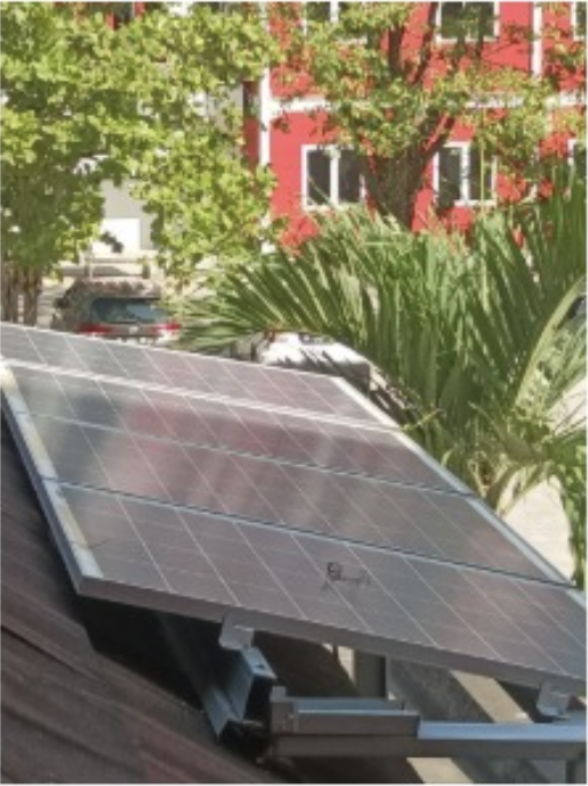
Solar PV installations support electricity use across campus facilities, including building-related lighting and campus road lighting. Energy generated and used through these systems is monitored so that its contribution can be distinguished from conventional energy consumption.
In 2025, Solar PV accounted for approximately:
5,013 GJ
or approximately:
54% of the university’s recorded low-carbon energy use.
Relative to total institutional energy consumption, Solar PV represented approximately 10.95%.
The monitoring of Solar PV enables UNISSULA to evaluate the contribution of renewable electricity and establish a basis for assessing future expansion of solar-energy infrastructure.
Biodiesel as a Low-Carbon Energy Source
UNISSULA also records the use of biodiesel as part of its low-carbon energy inventory.
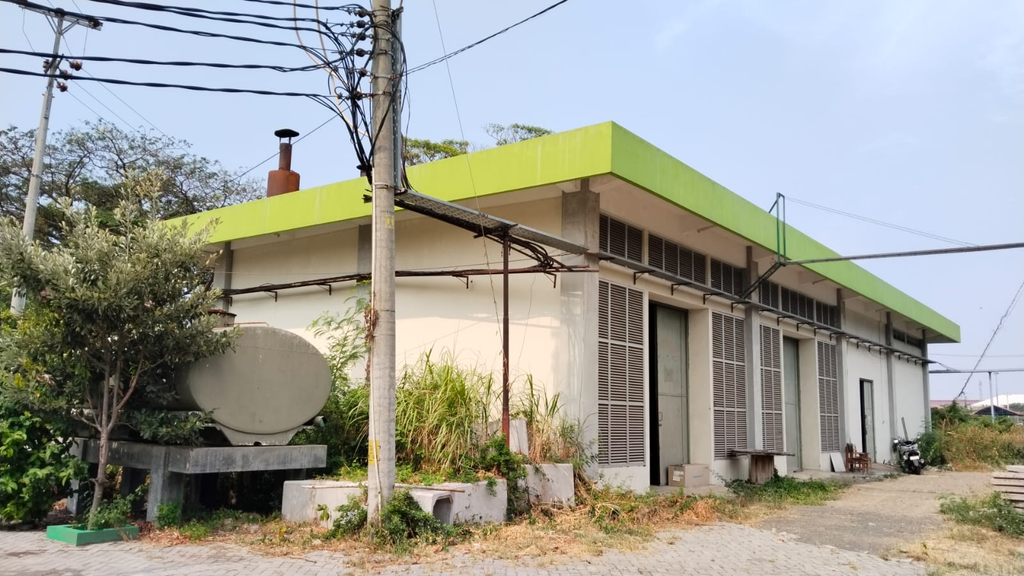
Biodiesel contributes to reducing reliance on conventional fossil-based energy sources in relevant university operations. Its consumption is incorporated into the institutional energy-monitoring framework and converted into a common energy unit so that it can be evaluated together with other energy sources.
In 2025, biodiesel accounted for approximately:
4,271 GJ
or approximately:
46% of recorded low-carbon energy use.
This represents approximately 9.33% of total institutional energy consumption.
By incorporating biodiesel into its energy inventory, UNISSULA is able to monitor low-carbon energy beyond electricity generation alone and obtain a more comprehensive picture of institutional energy use.
Institutional Energy Profile
The overall energy profile for 2025 can therefore be summarised as follows:
| Energy Indicator | Energy Use 2025 | Share of Total |
|---|---|---|
| Low-Carbon Energy | 9,284 GJ | 20.27% |
| Other Energy Sources | 36,515 GJ | 79.73% |
| Total Energy Used | 45,799 GJ | 100.00% |
The low-carbon component is further divided between Solar PV and biodiesel.
This institutional-level approach allows different energy sources to be consolidated using Gigajoules (GJ) as a common unit of measurement.
Relationship with Building-Level Electricity Monitoring
Low-carbon energy tracking complements UNISSULA’s existing building-level electricity monitoring.
The university conducts periodic energy reviews across major campus facilities to identify buildings and activities with relatively high electricity consumption and potential energy wastage. The review examines areas such as air-conditioning systems, laboratories, clinical equipment, lifts, lighting, computers, refrigeration equipment, and other electrical installations.
The university also identifies operational practices that can lead to unnecessary electricity consumption, including lighting in unoccupied rooms, air-conditioning operating outside required periods, equipment remaining active after working hours, standby electricity use, and inefficient equipment operation.
Low-carbon energy monitoring expands this process by assessing not only how much energy is consumed, but also what proportion of institutional energy comes from lower-carbon sources.
Integration with the Energy Efficiency Plan
Low-carbon energy tracking is linked to UNISSULA’s broader Energy Efficiency Plan.
The university’s energy-management approach includes measures such as energy-efficient lighting, efficient air-conditioning and electrical equipment, natural lighting and ventilation, building renovation, solar panels, and improved equipment shutdown practices.
The integration of energy efficiency and low-carbon energy monitoring supports two complementary objectives:
- Reducing unnecessary energy demand; and
- Increasing the contribution of lower-carbon energy sources.
Solar PV and biodiesel monitoring therefore form part of a broader institutional approach to improving energy performance.
University-Wide Measurement
Energy monitoring is consolidated at institutional level to provide a university-wide assessment.
Building electricity records, renewable-energy monitoring, and records of other energy sources are brought together in a common institutional energy inventory.
This enables UNISSULA to report:
- Total institutional energy use; and
- Total energy used from low-carbon sources.
Both are measured using a consistent unit of measurement.
For 2025:
- Total Energy Used: 45,799 GJ
- Total Energy Used from Low-Carbon Sources: 9,284 GJ
- Low-Carbon Energy Share: 20.27%
Consistent Energy Accounting
UNISSULA uses an institutional energy-accounting approach in which low-carbon energy is treated as a component of total energy use rather than being added separately after the total has been calculated.
Accordingly:
Low-Carbon Energy + Other Energy Sources = Total Energy Used
For 2025:
9,284 GJ + 36,515 GJ = 45,799 GJ
This approach helps prevent double counting and provides a consistent basis for comparing energy sources.
Continuous Energy Monitoring
UNISSULA applies an ongoing energy-management cycle that links measurement with operational evaluation and improvement.
The existing campus energy-management process involves reviewing energy consumption, identifying high-use areas, investigating potential energy wastage, determining corrective measures, improving operational efficiency, and conducting further review.
Low-carbon energy tracking complements this cycle by enabling changes in Solar PV and biodiesel use to be monitored from year to year.
The monitoring results can therefore be used to evaluate whether the university is progressively increasing the contribution of low-carbon energy while improving overall energy efficiency.
Data-Based Energy Management
Quantitative monitoring supports evidence-based energy management at UNISSULA.
Energy data allow the university to evaluate high-consumption facilities, identify efficiency opportunities, monitor Solar PV production and utilisation, record biodiesel energy use, determine the proportion of low-carbon energy, and establish institutional baselines for future comparison.
The use of a common energy unit also enables different energy sources to be assessed within a single institutional framework.
Evidence of Implementation
- University-wide institutional energy monitoring for 2025, covering major campus operations and facilities.
- Building-level electricity review covering 19 major buildings and facilities, supporting campus-wide energy management.
- Total institutional energy use of 45,799 GJ in 2025.
- Separate tracking of low-carbon energy totalling 9,284 GJ.
- Solar PV / PLTS monitoring, contributing approximately 5,013 GJ of low-carbon energy.
- Biodiesel energy monitoring, contributing approximately 4,271 GJ.
- Low-carbon energy share of approximately 20.27% of total institutional energy consumption.
- Integration with university energy-efficiency activities, including Solar PV, efficient lighting, electrical equipment management, operational review, and continuous energy evaluation.