

















11.4.7 Local Authority Collaboration on Planning, Development and Affordable Housing
Working with Local Authorities on Housing and Development
Universitas Islam Sultan Agung (UNISSULA) works with local and regional government authorities to address housing and settlement development issues, including improving access to adequate and affordable housing for local communities.
A major example is UNISSULA’s collaboration with the Government of Central Java Province through the Housing and Settlement Areas Agency (Disperakim) to support programmes addressing Rumah Tidak Layak Huni (RTLH), or inadequate/uninhabitable housing.
This collaboration combines university community engagement with government housing-development programmes to help identify households in need, verify housing conditions, and support improvements in access to decent housing.
Formal Collaboration with the Central Java Provincial Government
In 2025, UNISSULA strengthened its collaboration with the Government of Central Java Province through a formal institutional framework.
UNISSULA reported that a Memorandum of Understanding with the Central Java Provincial Government was established on 16 March 2025. This MoU serves as an umbrella for collaboration with provincial government agencies, including the Housing and Settlement Areas Agency (Disperakim).
The partnership enables university expertise, student participation, and community-engagement programmes to support government priorities related to housing and settlement development.
Addressing Inadequate Housing
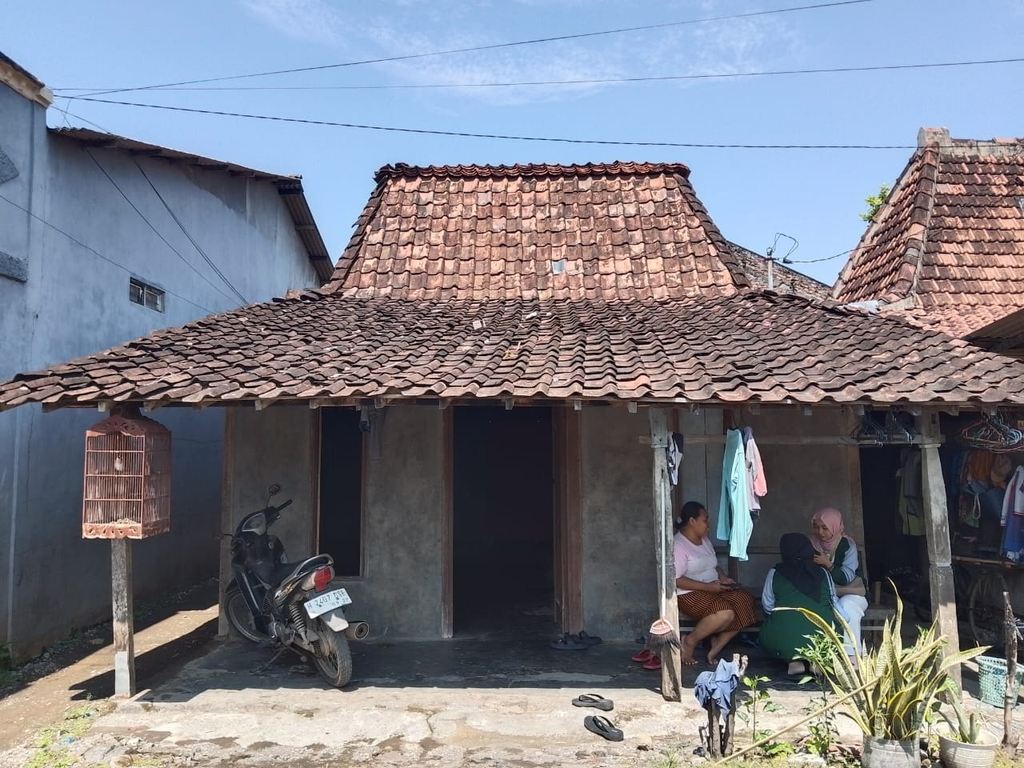
One of the main areas of collaboration is the improvement of housing conditions for residents living in Rumah Tidak Layak Huni (RTLH).
Inadequate housing is a significant housing and settlement issue in Central Java. Disperakim has identified RTLH as a priority problem requiring coordinated intervention across districts and municipalities.
UNISSULA contributes to this work through data collection, verification, community engagement, and field-based support.
Supporting Access to Decent Housing
The collaboration is designed to help government housing assistance reach eligible local residents.
UNISSULA students support the verification and validation of housing conditions so that government assistance for housing improvement can be targeted more accurately.
This process helps ensure that residents whose homes do not meet adequate living standards can be correctly identified and considered for government-supported housing improvement programmes.
2025 RTLH Verification Programme
In May 2025, UNISSULA deployed 1,685 community-service students to Sayung and Mranggen in Demak Regency to assist the government in verifying beneficiaries of RTLH renovation assistance.
The initiative was intended to help ensure that housing assistance was accurately targeted and reached eligible households.
The activity demonstrates direct collaboration between the university and public authorities in implementing a housing-development programme for local residents.
Government Housing Improvement Target
The 2025 collaboration was linked to a wider Central Java government programme targeting the renovation of 17,000 inadequate houses across cities and regencies in Central Java.
UNISSULA contributed through field verification and community-based implementation support.
This places the university’s contribution within a large-scale regional housing-development initiative rather than an isolated community activity.
Thematic Community Service for Housing Improvement
UNISSULA continued this work through its Thematic Community Service Programme (KKN Tematik).
In July 2025, 1,991 UNISSULA students participated in activities aimed at improving the quality of inadequate housing in Central Java in collaboration with Disperakim. UNISSULA
The programme focused on helping the government verify and validate housing data and improve the effectiveness of housing interventions.
Supporting “One Household, One Decent House”
The collaboration contributes to the provincial government’s priority programme of “one household, one decent house”.
According to Disperakim representatives, UNISSULA’s thematic community-service activities help government authorities verify and validate inadequate housing data to support this objective. UNISSULA
This establishes a clear connection between university-government collaboration and access to adequate housing for local residents.
Housing Data Verification and Validation
Accurate housing data are essential for effective planning and allocation of public housing assistance.
UNISSULA supports this process by helping local authorities:
- identify inadequate housing;
- verify household and housing conditions;
- validate government housing databases;
- improve targeting of assistance;
- reduce the risk of inaccurate beneficiary selection; and
- support evidence-based housing programmes.
This gives the university a practical role in housing planning and development.
Community-Based Housing Planning
UNISSULA’s participation demonstrates how universities can support local authorities through community-based planning.
Students and university teams work directly in communities, providing local-level information that can help public authorities understand housing conditions more accurately.
This creates a planning model based on:
Government policy → University collaboration → Community data → Verification → Housing assistance → Improved housing conditions
Collaboration Beyond Data Collection
The collaboration with Disperakim has included more than basic data collection.
Earlier cooperation between Disperakim and UNISSULA’s research and community-service institute included activities related to:
- socialisation of adequate housing;
- updating RTLH data;
- facilitation of proposals;
- community assistance; and
- technical training.
This indicates a broader contribution to housing-development processes.
Long-Term Institutional Cooperation
UNISSULA’s collaboration with housing authorities is not limited to a single event.
The university and Disperakim have worked together through thematic community-service programmes and institutional cooperation addressing inadequate housing and settlement issues.
This continuity strengthens the role of UNISSULA as a partner in regional housing development.
Collaboration with Planning Authorities
UNISSULA has also collaborated with the Regional Development Planning Agency of Semarang City (Bappeda Kota Semarang).
The university and Bappeda have discussed expanding collaboration to address development problems in Semarang through research and community-service activities.
Bappeda has recognised universities as strategic partners in supporting the development of Semarang, including through research and participation in planning forums.
This broader relationship complements UNISSULA’s housing-specific collaboration with Disperakim.
University Contribution to Local Development
Through its partnerships with provincial and local authorities, UNISSULA contributes university knowledge and community engagement to practical development challenges.
Relevant areas include:
- housing;
- settlement quality;
- urban development;
- community welfare;
- infrastructure;
- spatial and development planning; and
- local public services.
This demonstrates that the university engages directly with public authorities in addressing development priorities.
Supporting Local Residents
The main beneficiaries of the RTLH programme are local residents whose housing does not meet adequate living standards.
By supporting the identification and verification of eligible households, UNISSULA helps strengthen access to government housing-improvement programmes.
The university’s role therefore supports not only planning and data management but also the practical delivery of housing assistance to communities.
Affordable and Adequate Housing
In the context of this collaboration, access to housing is addressed through government-supported improvement of inadequate homes rather than through commercial housing provision.
The programme helps households that may otherwise face barriers to improving their housing conditions.
UNISSULA’s role in verification and implementation support helps ensure that public housing assistance reaches intended beneficiaries.
Student Participation in Local Development
UNISSULA integrates student community service into its collaboration with government authorities.
Thousands of students participate directly in field activities related to housing conditions and community development.
This approach provides dual benefits:
- supporting local government development programmes; and
- providing students with practical experience in community-based sustainability work.
Research and Community Engagement
UNISSULA’s involvement in housing and settlement development reflects the university’s broader commitment to community engagement.
The university uses its research and community-service functions to support government programmes and address real community needs.
This strengthens the connection between academic institutions, public authorities, and local residents.
Evidence-Based Housing Assistance
Housing programmes are more effective when supported by accurate and verified information.
UNISSULA contributes to evidence-based decision-making by supporting field verification and validation.
This helps authorities improve:
- beneficiary identification;
- allocation of resources;
- housing programme effectiveness;
- accountability; and
- monitoring of housing conditions.
Sustainable Communities
Adequate housing is a central component of sustainable communities.
By working with government authorities to address inadequate housing, UNISSULA contributes to:
- safer housing conditions;
- improved living environments;
- reduced housing vulnerability;
- improved community welfare; and
- more inclusive development.
Contribution to SDG 11
UNISSULA’s collaboration with local and regional authorities contributes directly to SDG 11: Sustainable Cities and Communities.
THE Sustainability Impact Ratings 2027 assesses whether universities work with local authorities to address planning issues and development, including ensuring that local residents are able to access affordable housing.
The indicator provides up to three points based on:
- existence of collaboration;
- evidence provided; and
- public availability of the evidence.
UNISSULA demonstrates this through its formal collaboration with the Central Java Provincial Government and Disperakim on inadequate-housing verification and housing-improvement programmes.
Evidence of Implementation
UNISSULA’s collaboration on planning, development, and housing is demonstrated through:
- A 2025 MoU between UNISSULA and the Central Java Provincial Government. UNISSULA
- Collaboration with the Housing and Settlement Areas Agency of Central Java Province (Disperakim).
- Participation in government programmes addressing Rumah Tidak Layak Huni (RTLH).
- Deployment of 1,685 students in May 2025 to support RTLH verification in Sayung and Mranggen.
- Support for the 2025 provincial target to renovate 17,000 inadequate houses. UNISSULA
- Participation of 1,991 students in the July 2025 thematic housing-improvement programme.
- Verification and validation of housing data.
- Support for the provincial priority of one household, one decent house.
- Community engagement related to adequate housing and settlement improvement.
- Collaboration with Bappeda Kota Semarang on wider planning and development issues.