

















11.4.6 Pedestrian Priority on Campus
University Commitment to Pedestrian Access
Universitas Islam Sultan Agung (UNISSULA) prioritises pedestrian access across the campus as part of its commitment to creating a safe, accessible, inclusive, and sustainable university environment.
The university provides dedicated pedestrian infrastructure designed to encourage walking, reduce dependence on motorised transportation, improve accessibility, and enhance the safety and comfort of students, lecturers, staff, and visitors.
UNISSULA’s pedestrian-priority approach includes:
- dedicated pedestrian pathways;
- physical separation between pedestrian and vehicle routes;
- wheelchair-accessible ramps and entrances;
- clear directional signage;
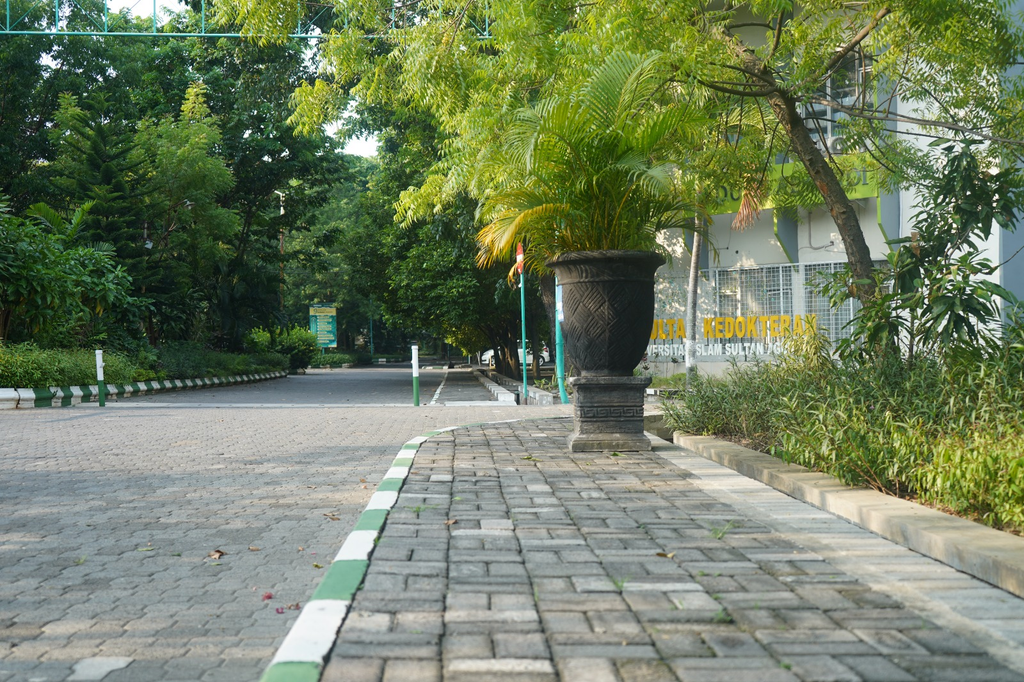
- shaded and landscaped walking routes;
- solar-powered pedestrian lighting; and
- awareness activities encouraging walking.


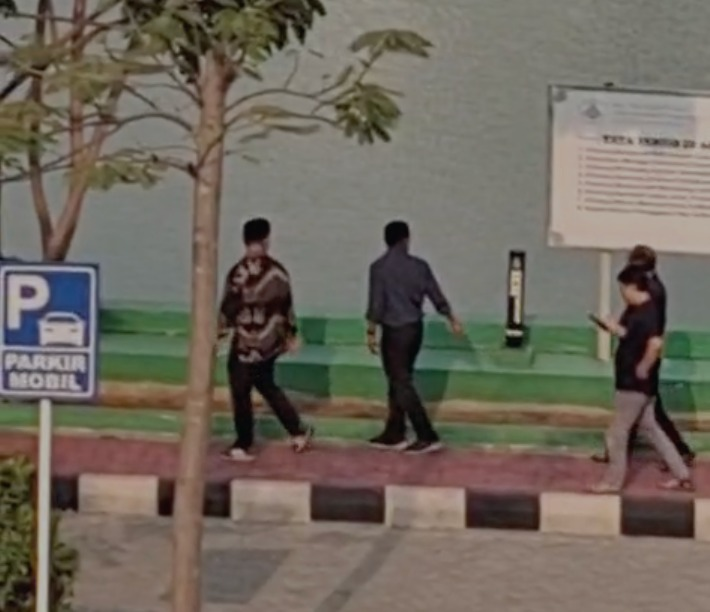

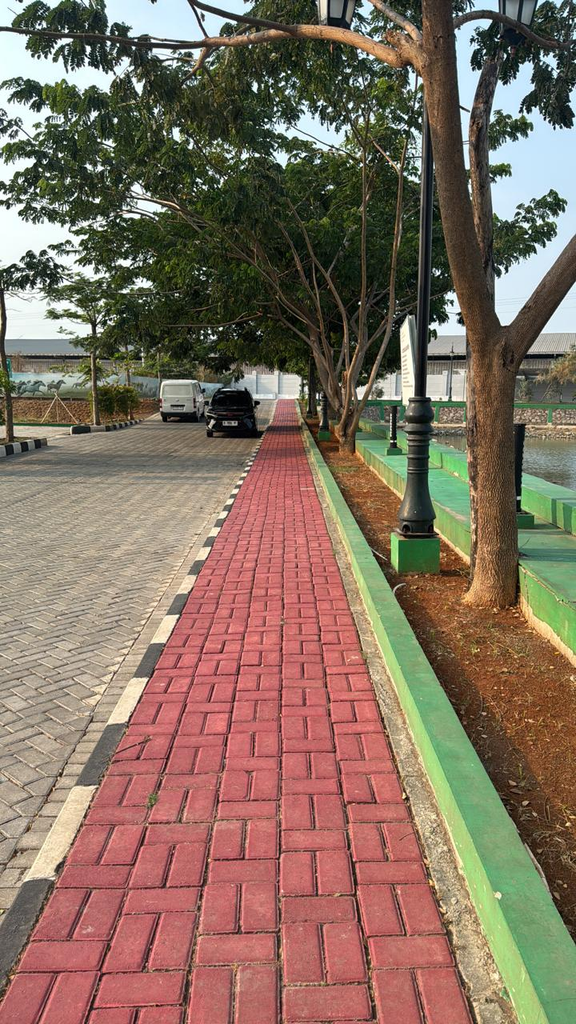
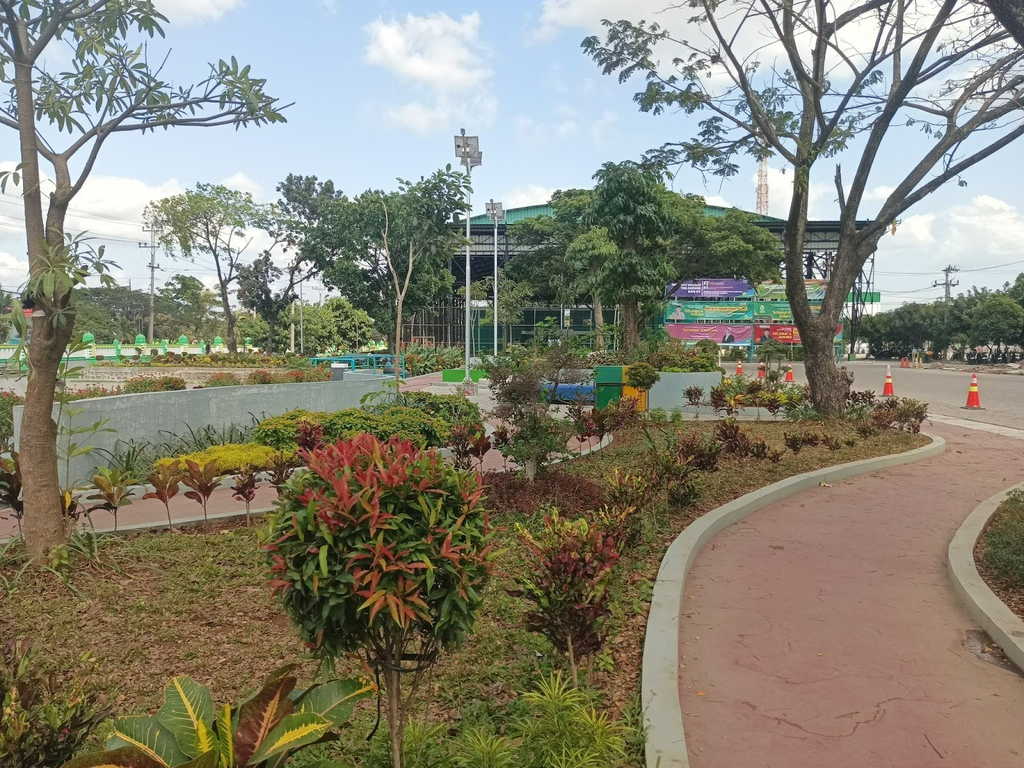
Dedicated Pedestrian Pathways
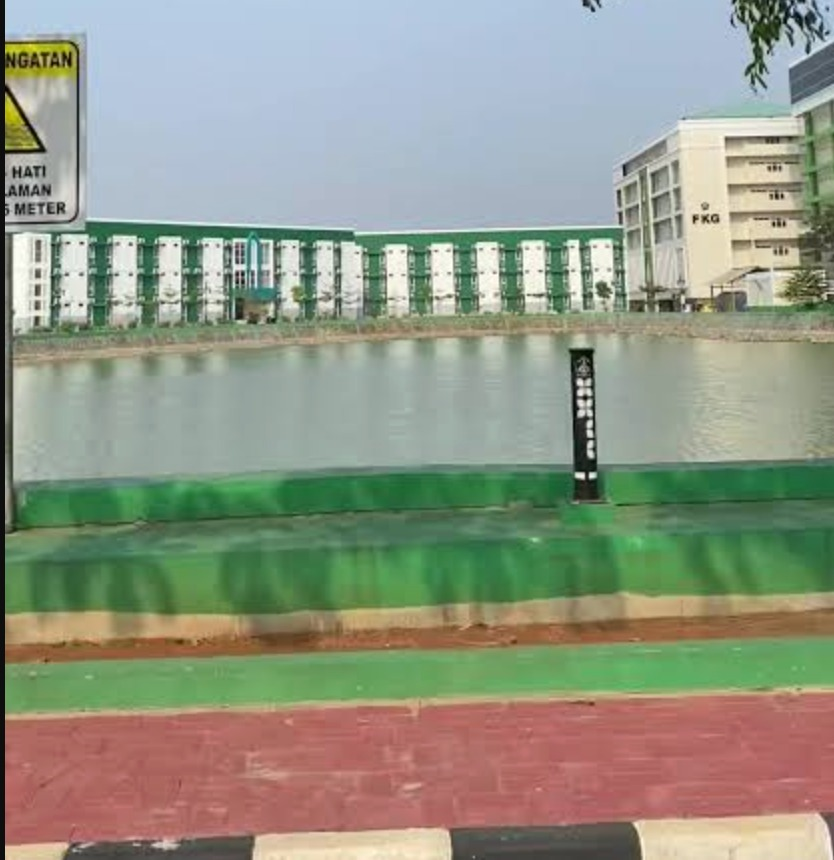
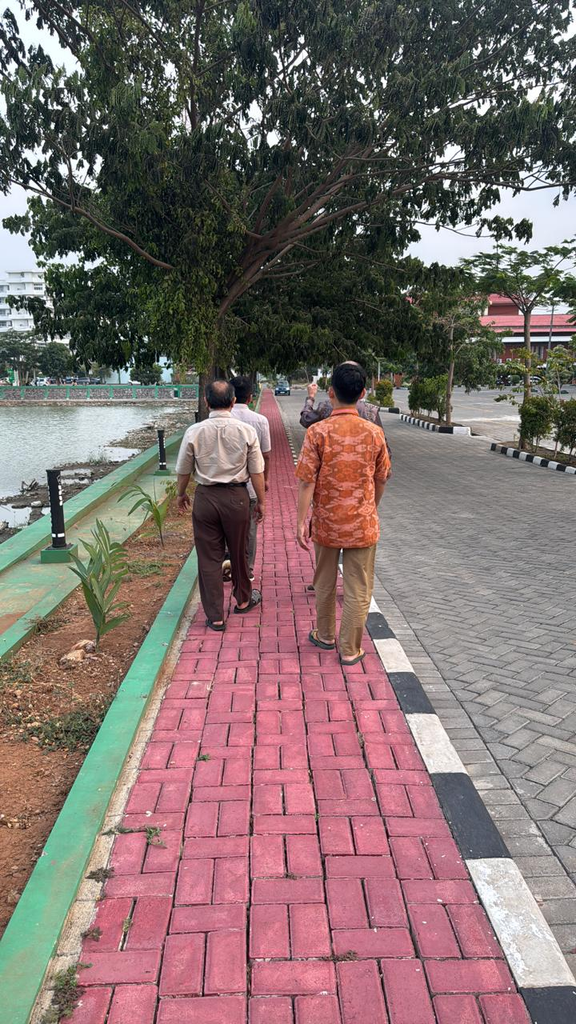
UNISSULA provides pedestrian pathways throughout the campus to support safe and convenient movement between academic, administrative, religious, residential, and service facilities.
The pathways are designed to prioritise:
- safety;
- accessibility;
- comfort;
- connectivity; and
- environmental sustainability.
The university’s pedestrian infrastructure is intended to provide a practical alternative to short-distance motorised travel.
Separation from Vehicular Traffic
Pedestrian safety is strengthened through physical separation between pedestrian pathways and vehicle roads.
This separation helps clearly distinguish walking routes from motorised traffic areas and reduces the risk of conflicts between pedestrians and vehicles.
UNISSULA’s campus documentation specifically notes that physical separators are installed to improve pedestrian safety and reduce the risk of traffic-related incidents.
Accessible Pedestrian Infrastructure
UNISSULA’s pedestrian network is designed to be accessible to people with different mobility needs.
The campus provides:
- wheelchair-accessible ramps;
- smooth pedestrian surfaces;
- accessible building entrances;
- handrails;
- connected pathways; and
- routes that support independent movement.
These features help ensure that pedestrian access is inclusive for students, staff, and visitors, including persons with disabilities.
Wheelchair-Friendly Campus Access
Pedestrian accessibility is supported by ramps and adapted entrances at key university buildings.
These facilities allow wheelchair users and others requiring mobility assistance to move more independently between campus spaces.
This demonstrates that pedestrian priority at UNISSULA includes not only general walkability but also universal accessibility.
Safe and Comfortable Walking Environment
UNISSULA seeks to create a pedestrian environment that is both functional and comfortable.
Walking routes are supported by greenery and landscaping that provide shade and improve the quality of the surrounding environment.
These features help make walking a more attractive and practical mobility option within the campus.
Directional Signage
Pedestrian pathways are equipped with directional signage to help campus users navigate between important facilities.
Signs guide users toward locations such as:
- lecture halls;
- libraries;
- student centres;
- laboratories;
- administrative facilities; and
- other university services.
Clear navigation supports a more efficient and user-friendly walking environment.
Solar-Powered Pedestrian Lighting
UNISSULA provides solar-powered street lighting along pedestrian pathways.
The lights operate automatically according to ambient light intensity and provide illumination for pedestrians during evening and nighttime periods.
This supports:
- pedestrian safety;
- visibility;
- energy efficiency; and
- sustainable campus infrastructure.
Encouraging Walking for Short-Distance Travel
UNISSULA’s pedestrian infrastructure is not provided only as a physical facility.
It is part of a broader strategy to encourage walking as a preferred mobility option for short-distance movement across campus.
The university explicitly aims to reduce reliance on motorised transportation by providing safe, attractive, and convenient walking routes.
Reducing Dependence on Motorised Transport
By improving pedestrian accessibility, UNISSULA helps reduce the need for private motorcycles and cars for short trips within the campus.
The approach can be represented as:
Safe pedestrian infrastructure → Increased walking → Reduced short-distance vehicle use → Lower transport emissions
This strengthens the environmental value of pedestrian-priority planning.
Promoting Active Mobility
Walking also contributes to healthier and more active campus lifestyles.
UNISSULA’s pedestrian routes support physical activity while enabling sustainable everyday mobility.
The university therefore combines:
- environmental sustainability;
- mobility efficiency;
- accessibility; and
- health promotion
within its pedestrian infrastructure strategy.
Awareness and Education
UNISSULA also supports pedestrian mobility through awareness and educational activities.
The university informs the campus community about the benefits of pedestrian pathways and their role in environmental sustainability.
These activities help encourage students and employees to choose walking where practical.
Green and Shaded Walking Routes
Trees and other forms of greenery are incorporated alongside pedestrian pathways.
These elements provide:
- natural shade;
- improved air quality;
- a more pleasant walking environment;
- reduced heat exposure; and
- improved campus landscape quality.
This makes pedestrian movement more comfortable and supports the university’s broader green-campus objectives.
Integration with Campus Mobility
Pedestrian mobility is integrated with UNISSULA’s broader transportation system.
Campus users can combine walking with:
- electric shuttle services;
- park-and-ride;
- electric vehicles;
- shared transportation; and
- other low-emission mobility options.
This creates a multimodal campus mobility system in which walking plays a central role.
Pedestrian Access to Key Facilities
The pedestrian network supports access to important campus destinations, including:
- faculties;
- classrooms;
- administrative offices;
- libraries;
- student facilities;
- religious facilities;
- laboratories; and
- other campus services.
This connectivity helps ensure that walking is a practical mode of transportation for daily campus activities.
Inclusive Campus Mobility
Prioritising pedestrians contributes to a more inclusive campus.
The combination of accessible ramps, smooth pathways, handrails, safe crossings, signage, and separated walking routes supports users with different levels of mobility.
This helps ensure that sustainability and accessibility are addressed together.
Pedestrian Safety
Safety is a central element of UNISSULA’s pedestrian strategy.
The university uses:
- physical road separators;
- dedicated pedestrian routes;
- accessible surfaces;
- lighting;
- directional signage; and
- route design
to reduce the risk of pedestrian-vehicle conflicts.
This demonstrates that pedestrian access is actively prioritised in campus design and management.
Sustainable Campus Design
UNISSULA’s pedestrian infrastructure contributes to sustainable campus planning by reducing the dominance of motorised vehicles in short-distance movement.
A pedestrian-oriented campus can help:
- reduce traffic congestion;
- reduce transport emissions;
- improve public space quality;
- encourage active mobility; and
- improve the overall campus environment.
Relationship with Sustainable Commuting
Pedestrian priority complements UNISSULA’s other sustainable commuting initiatives.
The university’s mobility approach includes:
Walking + Electric mobility + Shared transport + Remote working
Walking represents the lowest-emission mobility option and is therefore an important component of UNISSULA’s sustainable transportation strategy.
Contribution to SDG 11
UNISSULA’s pedestrian-priority approach contributes to SDG 11: Sustainable Cities and Communities by creating a safer, more accessible, inclusive, and environmentally responsible campus environment.
THE Sustainability Impact Ratings 2027 assesses whether universities prioritise pedestrian access on campus.
The indicator provides up to three points based on:
- existence of pedestrian prioritisation;
- evidence provided; and
- public availability of the evidence.
UNISSULA demonstrates pedestrian prioritisation through dedicated infrastructure, accessibility measures, safety features, sustainable lighting, and initiatives that encourage walking.
Evidence of Implementation
UNISSULA’s pedestrian-priority approach is demonstrated through:
- Dedicated pedestrian pathways across the campus.
- Physical separation between pedestrian and vehicle routes.
- Wheelchair-accessible ramps.
- Accessible building entrances.
- Smooth pedestrian surfaces.
- Handrails and inclusive access features.
- Directional signage for campus navigation.
- Solar-powered pedestrian lighting.
- Shaded and landscaped walking routes.
- Trees and greenery along pedestrian areas.
- Measures to reduce short-distance motorised travel.
- Awareness activities encouraging walking.
- Integration of pedestrian mobility with sustainable transportation.
- Accessible connections between major campus facilities.