

















11.2.4 Free Public Access to Open and Green Spaces
University-Wide Public Access to Green Spaces
Universitas Islam Sultan Agung (UNISSULA) provides free public access to open spaces and green spaces across its campus.
These areas are available to students, lecturers, staff, visitors, and members of the wider community without an admission fee. They form part of the university’s effort to maintain an inclusive, healthy, and environmentally sustainable campus environment.
UNISSULA’s green spaces include landscaped gardens, planted courtyards, tree-lined walkways, vegetated zones around academic buildings, public open spaces, and garden areas distributed throughout the campus.
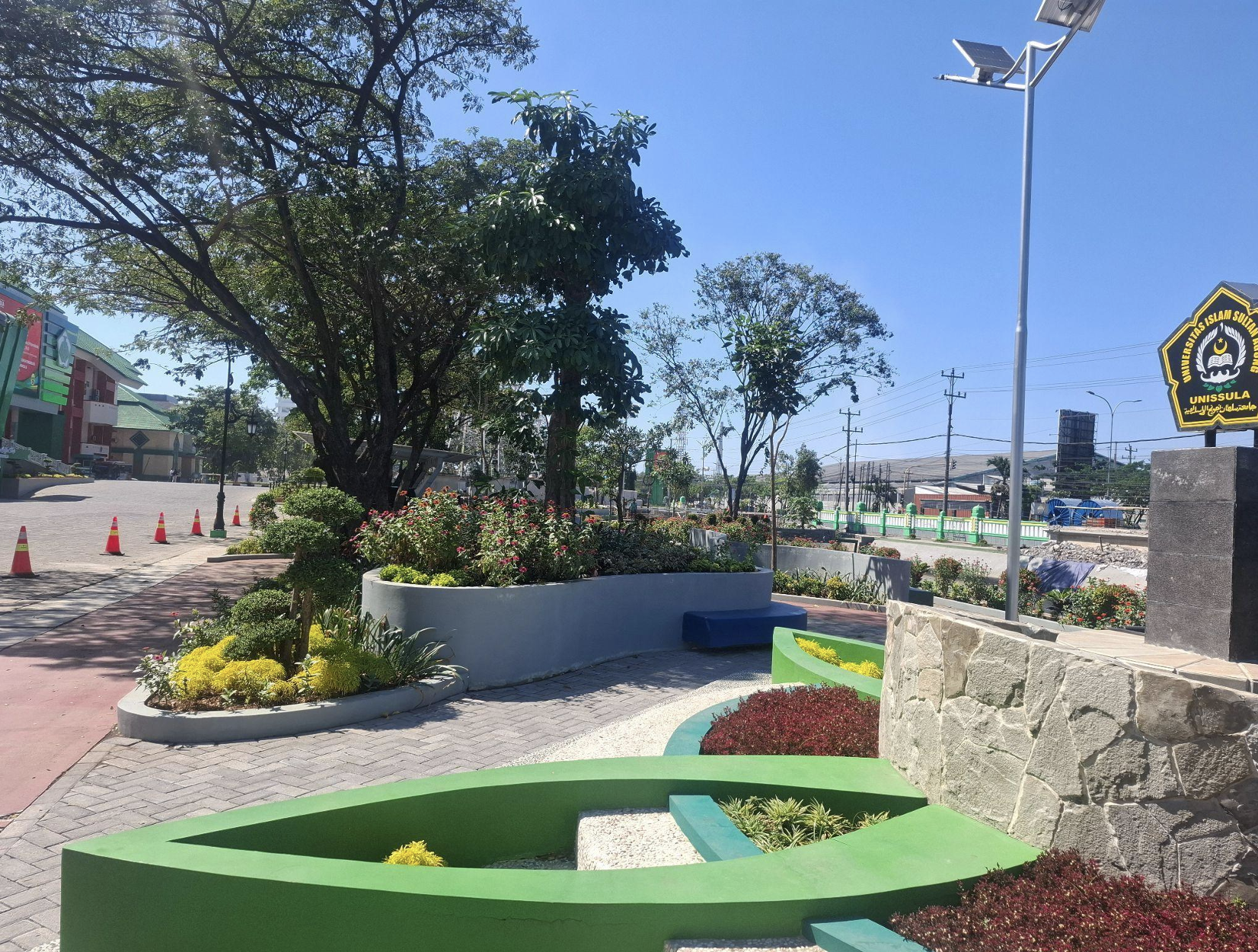
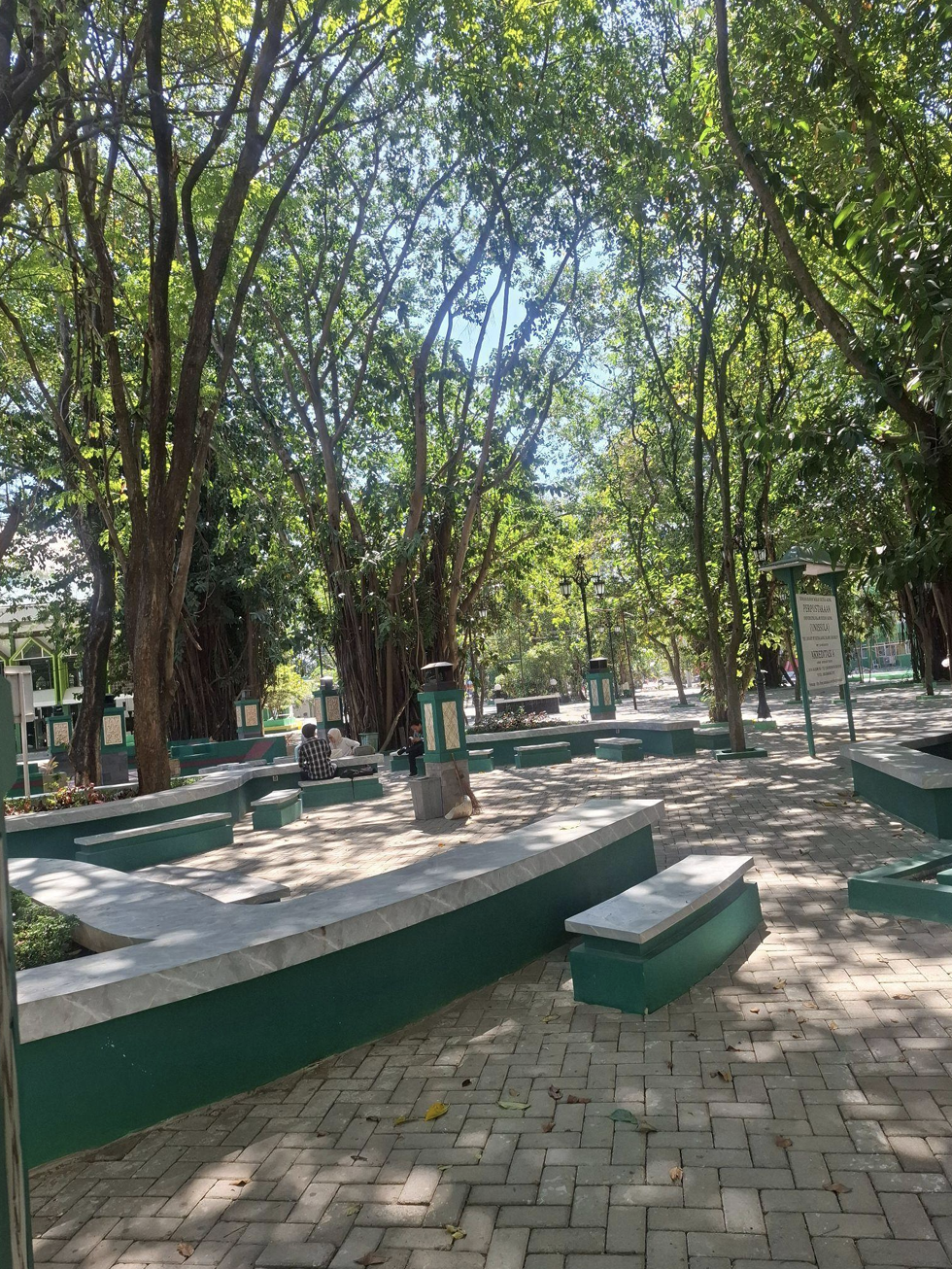
Permanent Free Access
The university’s open and green spaces are integrated into the everyday campus environment and are not limited to temporary events.
Members of the public can enter and use these areas during normal campus access without paying an admission fee.
This includes public green spaces around major university facilities such as:
- the Rectorate;
- the library;
- the mosque;
- the Sports Center;
- academic buildings; and
- other landscaped areas across the campus.
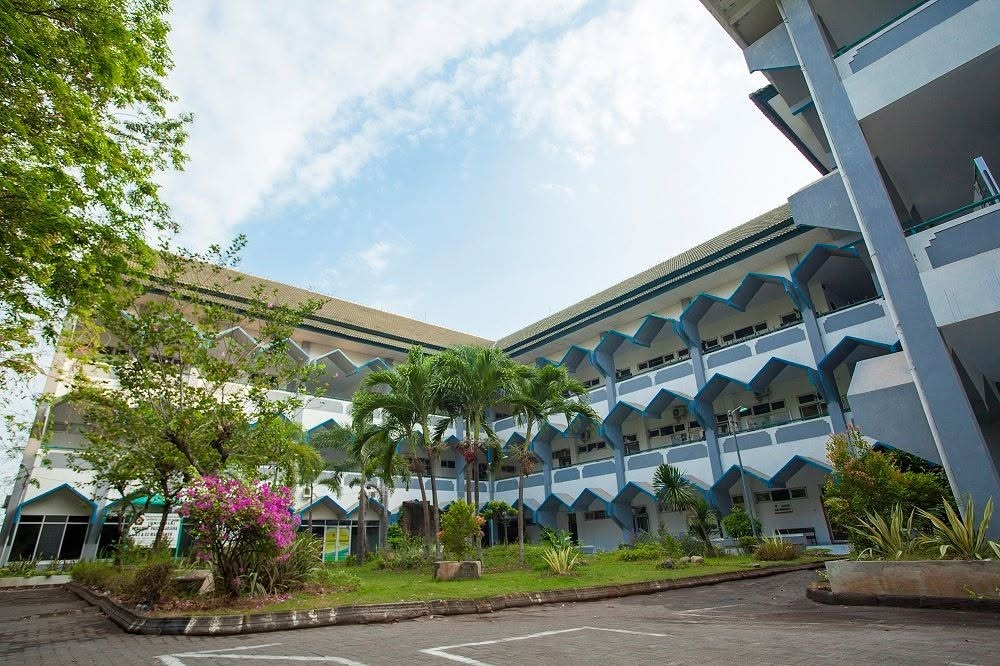
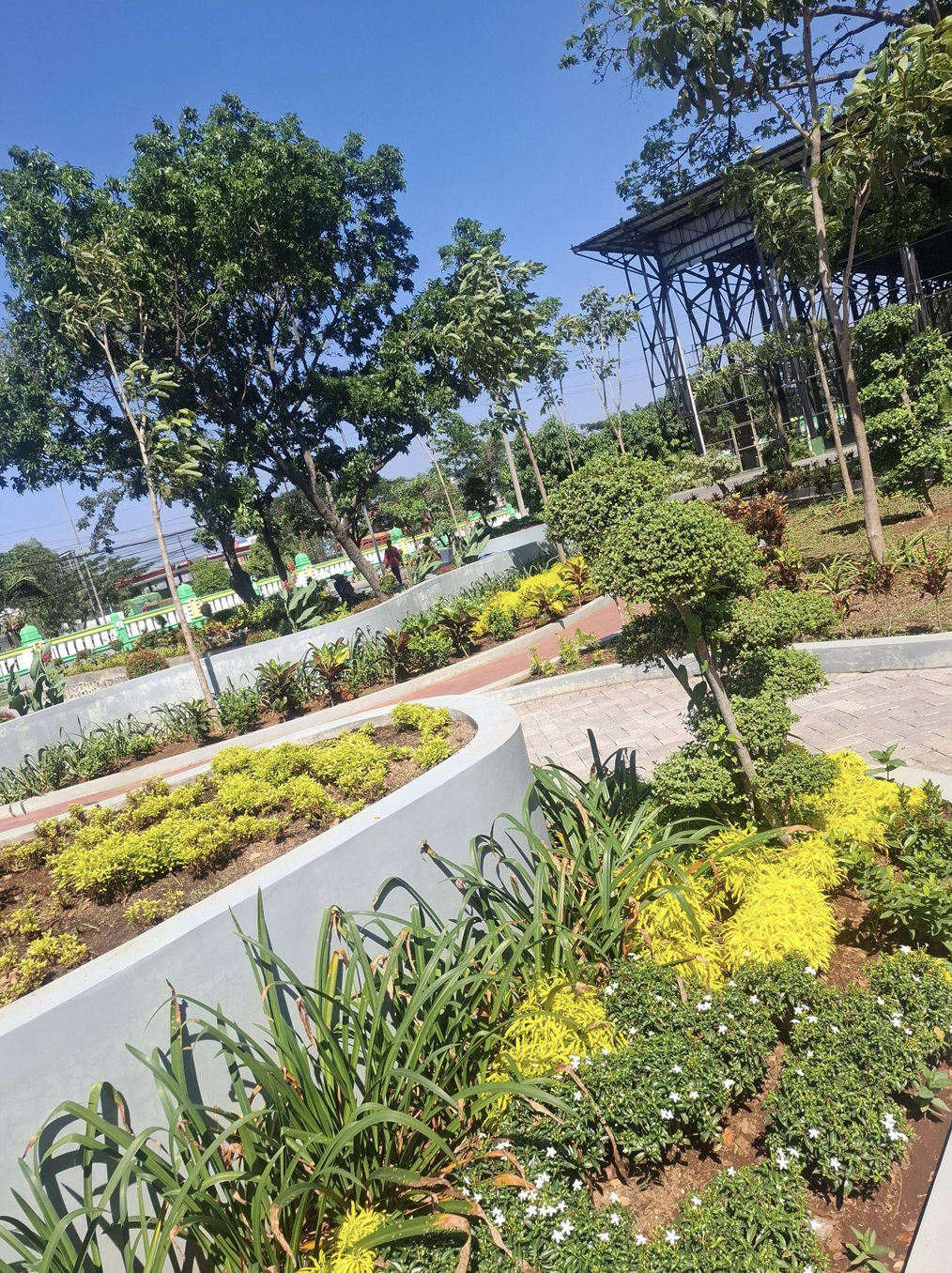
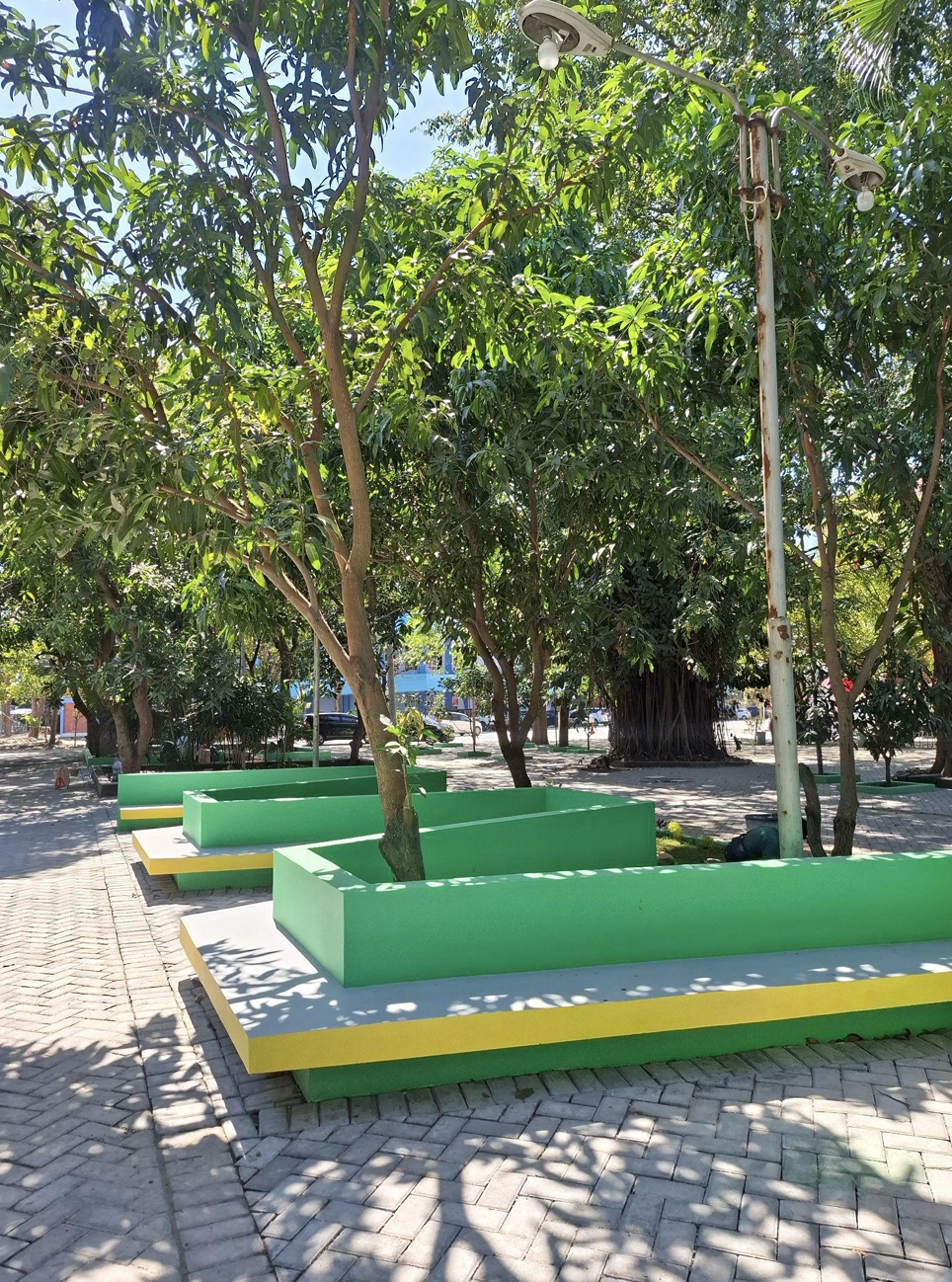
The photographic evidence shows publicly accessible gardens in front of the Rectorate, beside the Sports Center, in front of the mosque, and in front of the library.
Scale of Green Space at UNISSULA
UNISSULA maintains a substantial amount of planted vegetation across the campus.
Based on spatial analysis and field observations, the university has approximately 117,799.50 m² of planted vegetation, representing around 35% of the total campus area of 336,570 m².
These green areas are distributed throughout the campus and contribute to the environmental quality, usability, and comfort of the university environment.
Major Green Areas
The university’s documented planted vegetation includes several major areas.
These include:
- Library Garden – 43,673.30 m²
- Faculty of Engineering Garden – 4,968.81 m²
- Faculty of Economics Garden – 1,853.22 m²
- SMP Lake Garden – 1,878.60 m²
- additional green zones distributed throughout the campus.
These areas form part of a wider network of open and vegetated spaces across UNISSULA.
Library Garden
The Library Garden is one of the largest documented green areas on campus.
Located around the university library environment, the garden contributes to a more comfortable academic and public setting.
The area supports:
- walking;
- informal discussion;
- relaxation;
- study breaks;
- social interaction; and
- general public enjoyment of the campus environment.
Its location close to an academic facility makes it easily accessible to both university users and visitors.
Green Space around the Rectorate
UNISSULA also maintains landscaped public space in front of the Rectorate.
This area combines planted vegetation with pedestrian access and seating elements, creating a welcoming environment around one of the university’s central buildings.
Because the area is part of the campus public space, it can be used by students, staff, visitors, and members of the public without a separate entrance charge.
Green Space around the Mosque
Green and open areas are also maintained around Masjid Abu Bakar Assegaf.
These spaces complement the mosque’s role as a religious and community facility by providing a more comfortable outdoor environment for worshippers, visitors, and other campus users.
The mosque area therefore integrates religious, social, and environmental functions.
Green Space beside the Sports Center
The area beside the university Sports Center also contains landscaped vegetation and open space.
This supports the broader function of the Sports Center as a place for physical activity, recreation, and community interaction.
The green surroundings help create a more pleasant environment for both university users and external visitors.
Tree-Lined Walkways
UNISSULA’s green-space system includes tree-lined pedestrian routes.
These routes connect different parts of the campus while also providing shade and improving the quality of the walking environment.
Tree-lined walkways support:
- pedestrian mobility;
- thermal comfort;
- everyday recreation;
- social interaction; and
- a more attractive campus landscape.
Open Courtyards and Public Spaces
In addition to formal gardens, UNISSULA maintains open courtyards and planted public areas around academic and administrative buildings.
These spaces are part of the normal campus environment and can be used for:
- informal meetings;
- student activities;
- rest;
- discussion;
- walking; and
- community interaction.
Their integration into everyday campus life strengthens the public-access function of the university’s green spaces.
Green Islamic Campus Policy
UNISSULA’s green spaces form part of its broader Green Islamic Campus approach.
The university’s documentation states that planted zones support ecological balance, biodiversity, and sustainability through intentional landscaping and the integration of green infrastructure.
This approach links environmental sustainability with campus design and public accessibility.
Environmental Benefits
The university’s green areas provide several environmental benefits, including:
- supporting biodiversity;
- reducing heat exposure;
- improving microclimate conditions;
- providing shade;
- enhancing campus aesthetics;
- supporting pedestrian movement; and
- strengthening green infrastructure.
These environmental functions are complemented by the social benefits of keeping green spaces accessible to the university community and wider public.
Social and Community Benefits
Free public access to open and green spaces also creates social value.
Visitors can use campus green spaces for:
- walking;
- relaxation;
- social interaction;
- informal learning;
- attending campus activities;
- visiting the mosque;
- accessing public university facilities; and
- enjoying landscaped surroundings.
This helps integrate the campus with the wider community rather than treating university open spaces as closed private areas.
Supporting Health and Well-Being
Open and green spaces also support physical and psychological well-being.
The availability of gardens, shaded areas, pedestrian routes, and open spaces provides opportunities for:
- light physical activity;
- walking;
- rest;
- social interaction;
- relaxation; and
- contact with vegetation.
These functions contribute to a healthier and more comfortable university environment.
Integration with Campus Facilities
UNISSULA’s green spaces are distributed around a variety of facilities.
They are located near:
- the library;
- academic buildings;
- the Rectorate;
- the mosque;
- the Sports Center;
- student facilities; and
- other public areas.
This means users do not need to visit a separate designated park to benefit from green space; instead, planted areas are integrated into daily campus movement and activity.
Public Accessibility
The public-access value of these spaces lies in their integration into the university’s open campus environment.
Visitors are able to access green spaces while visiting university facilities, attending activities, using public services, participating in religious activities, or simply moving through the campus.
There is no separate admission charge for accessing these open and green areas.
Permanent Rather than Occasional Access
UNISSULA’s green spaces are not opened only during special events.
They form part of the permanent campus landscape and remain available as part of ordinary campus access.
This distinguishes them from occasional temporary access and supports the classification of these spaces as permanently accessible green areas.
Campus-Wide Distribution
Green spaces are not concentrated in only one location.
The documentation shows multiple green areas distributed across the campus, including around the library, Engineering Faculty, Economics Faculty, lake area, Rectorate, mosque, Sports Center, and other campus zones.
This distribution improves access to green space for users in different parts of the university.
Relationship with Sustainable Campus Development
UNISSULA’s provision of accessible green space supports a broader sustainable-campus approach.
Green areas contribute to:
- environmental sustainability;
- campus liveability;
- community access;
- biodiversity;
- recreational opportunities; and
- quality of public space.
This connects physical campus management with the objectives of SDG 11: Sustainable Cities and Communities.
Contribution to SDG 11
THE Sustainability Impact Ratings 2027 recognises free public access to open spaces and green spaces under Indicator 11.2.4.
The methodology awards the highest access component where universities provide permanent free public access, with additional points for supporting evidence and publicly available evidence.
UNISSULA’s campus green spaces are integrated into the permanent campus environment and are accessible without an admission fee.
Evidence of Implementation
UNISSULA’s provision of free public access to open and green spaces is demonstrated through the following evidence:
- 117,799.50 m² of planted vegetation across the UNISSULA campus.
- Green space representing approximately 35% of the total campus area.
- Library Garden – 43,673.30 m².
- Faculty of Engineering Garden – 4,968.81 m².
- Faculty of Economics Garden – 1,853.22 m².
- SMP Lake Garden – 1,878.60 m².
- Public green space in front of the Rectorate.
- Landscaped area beside the Sports Center.
- Green space around the mosque.
- Green areas around the library.
- Tree-lined walkways and vegetated courtyards.
- Green zones distributed around academic buildings and other campus facilities.
- Permanent public accessibility without a separate admission fee.
- Integration with UNISSULA’s Green Islamic Campus policy.