

















6.5.4 Sustainable Water Extraction and Source Management at UNISSULA
Managing Extracted Water Sustainably
Universitas Islam Sultan Agung (UNISSULA) manages water extraction and water-source use through an integrated system designed to reduce pressure on primary water sources, particularly groundwater and surface-water resources.
By 2025, the university had implemented supporting technologies for sustainable water management, including rainwater collection, water-storage infrastructure, groundwater-recharge systems, non-potable water reuse, and campus retention facilities.
These measures help reduce unnecessary extraction by increasing the amount of water that can be captured, stored, reused, and returned to the local water cycle.

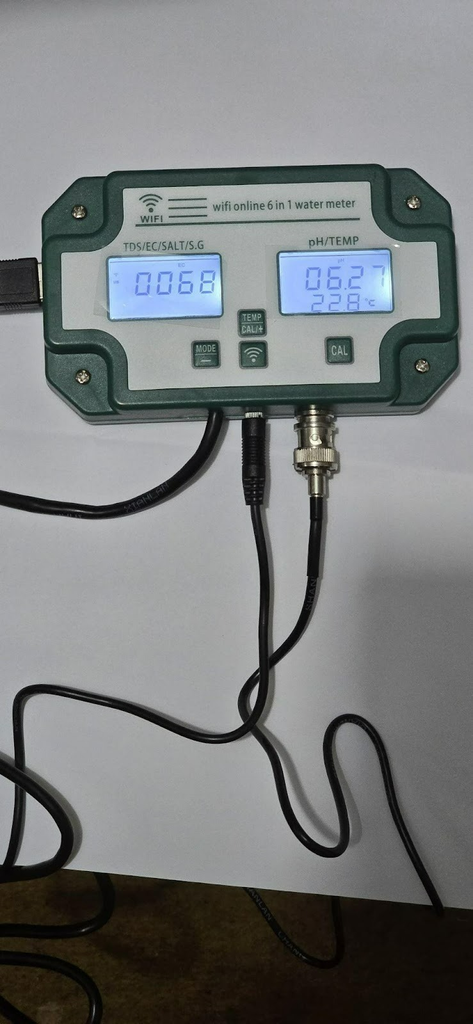
Sustainable Use of Groundwater and Surface Water
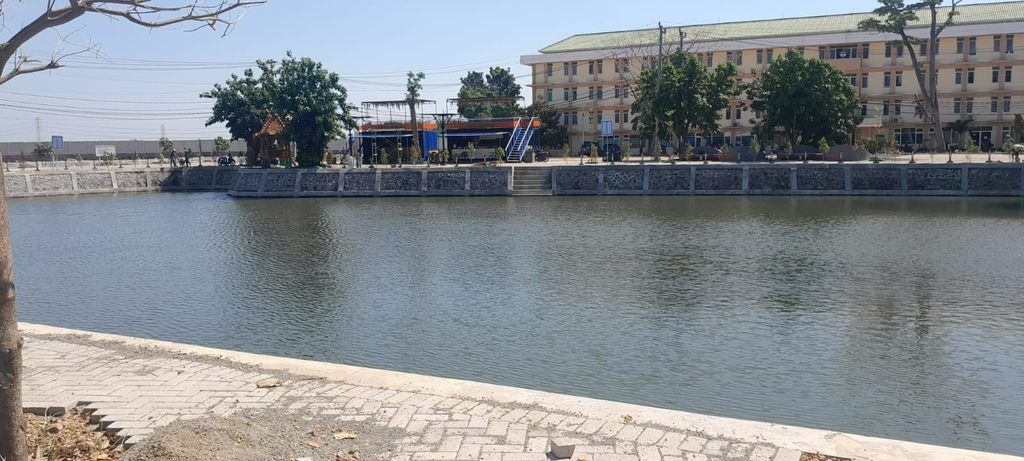
UNISSULA uses water from sources including groundwater and the campus lake.
Because these sources are finite and environmentally sensitive, the university complements water extraction with conservation and recharge measures intended to maintain a more sustainable balance between water use and replenishment.
The university’s Sustainability Report documents a combination of rainwater harvesting, storage, groundwater recharge, and non-potable water reuse.
Rainwater Collection to Reduce Extraction Pressure
Rainwater harvesting is one of the university’s main supporting technologies for reducing dependence on extracted water.
Rainwater from selected rooftops is collected through gutters and directed through a first-flush system and screening before entering storage facilities.
The collected water can then be used for non-potable purposes such as:
- landscape irrigation;
- cleaning;
- pond replenishment; and
- selected toilet flushing.
By substituting harvested rainwater for groundwater or other extracted water, UNISSULA reduces the need for additional abstraction from primary water sources.
Water Storage Infrastructure
UNISSULA also uses dedicated water-storage infrastructure to improve the efficiency of water use.
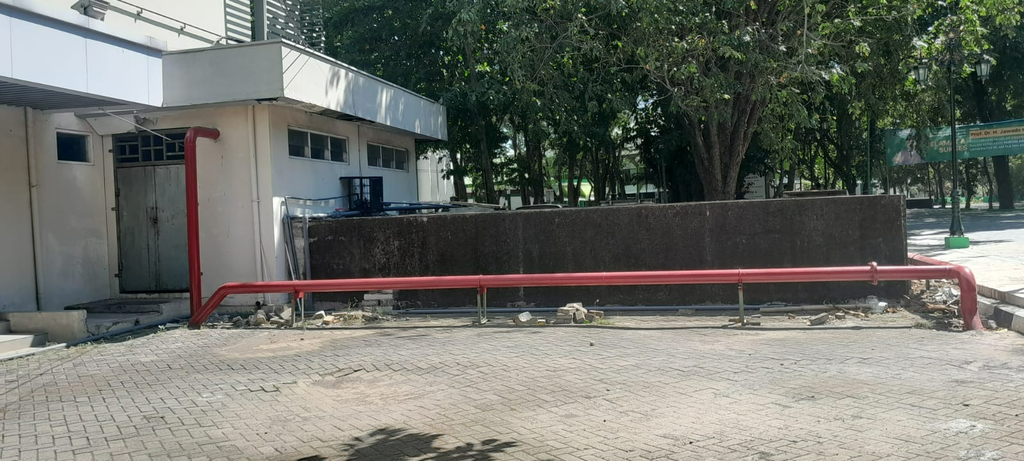
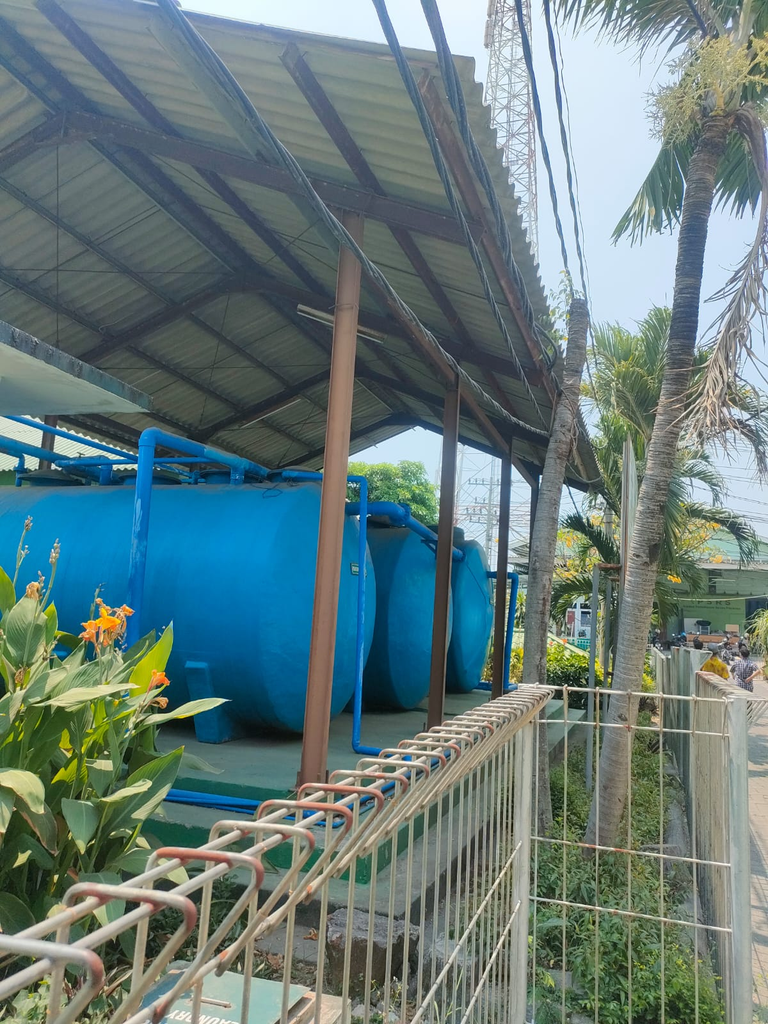
Photographic documentation shows large storage tanks, water-transfer piping, and in-ground storage facilities that support the collection and retention of water for later use.
These systems make it possible to store available water rather than relying solely on continuous extraction.
Stored water can then be reused according to operational needs, particularly for non-potable purposes.
In-Ground Water Tanks
In-ground water tanks are used to store harvested rainwater and other recoverable non-potable water.
The Sustainability Report notes that these tanks help reduce evaporation and support the reuse of stored water for landscape irrigation, cleaning, pond top-ups, and selected toilet flushing.
This approach helps lower demand on fresh and extracted water sources.
Groundwater Recharge Technologies
UNISSULA also applies technologies that support groundwater replenishment.
Overflow from rainwater-harvesting systems is directed toward:
- infiltration wells;
- bioswales; and
- biopores.
These systems allow water to infiltrate into the ground rather than being lost immediately as surface runoff.
The Sustainability Report specifically identifies these measures as supporting groundwater recharge.
This is particularly important in a campus environment where groundwater is one of the water sources used.
Campus Lake and Retention System
The campus lake also functions as part of UNISSULA’s sustainable water-management system.
It acts as a retention pond by capturing stormwater from roofs and surrounding grounds, reducing peak runoff and supporting local water retention.
The lake also supports groundwater recharge through pervious edges and infiltration facilities and can provide non-potable water for landscape irrigation and pond replenishment after appropriate treatment.
This allows the lake to serve both as a water source and as a water-conservation facility.
Reducing the Need for New Water Extraction
A key principle of UNISSULA’s approach is to reduce reliance on continuous extraction.
This is achieved by increasing the use of:
- harvested rainwater;
- stored non-potable water;
- treated wastewater; and
- other reused water sources.
Using these alternative sources for activities that do not require potable water helps preserve groundwater and other primary water resources.
Supporting Technologies for Sustainable Extraction
UNISSULA’s sustainable water-source management is supported by several technologies and infrastructure elements, including:
- rainwater-harvesting systems;
- storage tanks;
- in-ground water reservoirs;
- water-transfer piping;
- campus retention ponds;
- infiltration wells;
- bioswales;
- biopores; and
- non-potable water reuse systems.
Together, these technologies help reduce extraction pressure and support recharge and reuse.
Integrated Water Management
Rather than treating extraction as a standalone activity, UNISSULA integrates water sourcing with conservation, reuse, storage, and recharge.
The overall approach can be described as:
water capture → storage → reuse → controlled use → recharge
This helps ensure that extracted water is supplemented by alternative sources and that part of the available water is returned to the local groundwater system.