

















6.5.3 Off-Campus Water Conservation Support at UNISSULA
Supporting Practical Water Management Beyond the Campus
Universitas Islam Sultan Agung (UNISSULA) supports practical water-conservation and water-management initiatives beyond the university campus through community service, technical assistance, clean-water infrastructure planning, and flood-management activities.
During 2025, this support included community-based clean-water planning in Karangrejo Village, Pucakwangi District, Pati Regency, as well as practical flood and drainage management in the Kaligawe area of Semarang.
These activities demonstrate how UNISSULA applies academic expertise and institutional resources to water-related challenges experienced by communities outside the campus.
Clean-Water Infrastructure Support in Karangrejo Village
One of UNISSULA’s off-campus water-management initiatives focused on Karangrejo Village, Pucakwangi District, Pati Regency.
The community faces limited access to clean water because the public water-distribution network does not adequately reach the area, while available groundwater sources are located at considerable depth.
To help address this challenge, lecturers from the Civil Engineering Department of UNISSULA provided technical support and assistance for the planning of a clean-water supply system and community water reservoir.
The programme included:
- assessment of local clean-water needs;
- coordination with the village government and residents;
- planning of water-storage infrastructure;
- structural design;
- construction calculations; and
- preparation of a project budget.
The community-service programme specifically involved guidance and assistance during the planning of the reservoir and its supporting infrastructure.
A 100 m³ Community Water Reservoir
The technical planning produced a design for a 100 m³ clean-water reservoir for Karangrejo Village.
The proposed facility was designed as a reinforced-concrete structure, with technical specifications developed to support future community water storage and distribution.
This intervention was intended to improve the village’s capacity to store available clean water before distribution to residents.
By improving storage capacity, the planned reservoir can help communities use available water resources more effectively and reduce the impact of irregular or limited water supply.
Direct Engagement with the Local Community
UNISSULA’s support involved direct interaction with local stakeholders.
The programme documented coordination and discussion with the Karangrejo Village Government as well as observation and discussion with local residents regarding existing water conditions.
The village government was formally identified as the community-service partner.
This community-based approach allowed technical planning to be aligned with actual local water needs.
Improving Water Distribution Efficiency
The Karangrejo programme also addressed the need for more efficient water distribution.
The community-service study explains that the proposed reservoir is expected to support clean-water provision and allow water to be distributed more effectively through the local network.
The final design was developed based on factors including population, available water flow, and local source conditions.
Through this support, UNISSULA contributed practical engineering expertise to a real community water-management challenge.
Institutional Support for the Karangrejo Programme
The Karangrejo activity was supported institutionally by UNISSULA.
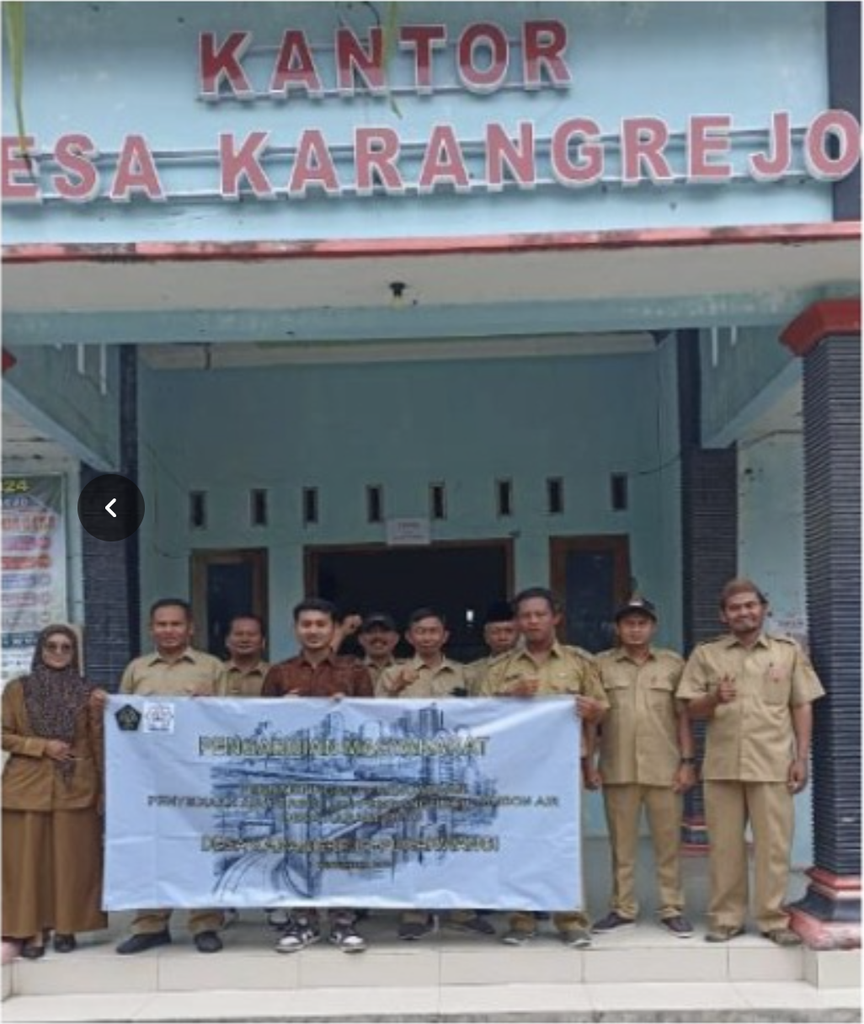
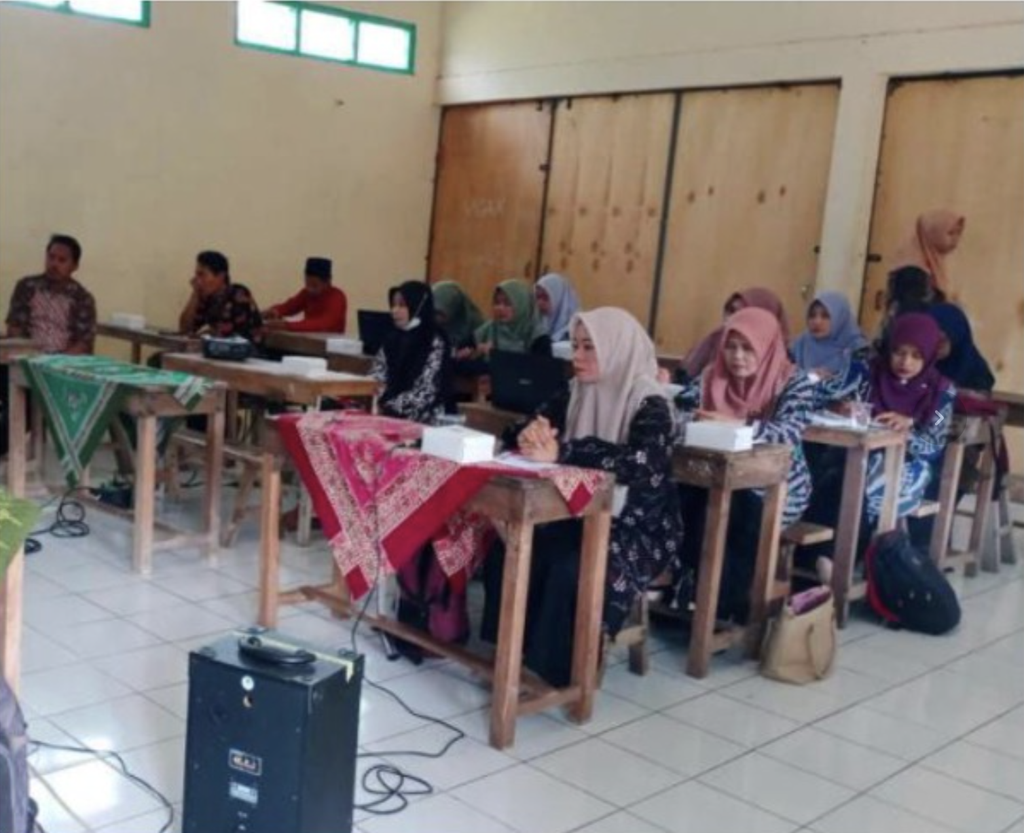
The published report acknowledges that Universitas Islam Sultan Agung provided both the opportunity and funding for the community-service activity under the 2024/2025 budget year.
This demonstrates that the support was not merely an individual academic initiative, but part of the university’s wider community-engagement activities.
Flood and Drainage Management in Kaligawe
UNISSULA also supports practical water management in the Kaligawe area of Semarang, where flooding and waterlogging are recurring environmental challenges.


Practical measures have included support for drainage and water-flow management intended to help reduce standing water and improve the movement of floodwater in the surrounding area.
Photographic documentation shows drainage-channel works near the Sultan Agung environment, illustrating practical efforts to improve water flow and reduce the risk of prolonged inundation.
In this context, the infrastructure is more appropriately described as flood-control drainage rather than irrigation, because its primary purpose is to manage excess water and reduce flooding.
Community Flood Response in 2025
UNISSULA also participated in practical efforts to address flooding in the Kaligawe area during 2025.
These activities included helping manage standing water in the Jalan Pantura/Kaligawe area through pumping and coordination with external stakeholders.
This type of intervention represents practical off-campus water-management support because it helps communities and road users affected by flooding while supporting more effective movement and removal of excess water.
Combining Clean-Water and Flood-Water Management
UNISSULA’s off-campus water support addresses two different but related challenges.
In Karangrejo Village, the focus is on:
- clean-water availability;
- water storage;
- efficient distribution; and
- long-term infrastructure planning.
In Kaligawe, the focus is on:
- flood-water management;
- drainage improvement;
- reduction of standing water; and
- practical response to inundation.
Together, these initiatives show that UNISSULA’s off-campus contribution to water management is not limited to one type of intervention.
Practical Application of University Expertise
The activities also demonstrate how academic expertise is translated into practical community benefit.
Civil-engineering knowledge is applied to:
- water-storage design;
- infrastructure planning;
- drainage management;
- hydraulic considerations;
- budgeting; and
- community-based technical assistance.
This allows UNISSULA to contribute directly to local water challenges beyond its campus boundaries.
Supporting Sustainable Water Management
Off-campus water initiatives contribute to sustainable water management in several ways:
- improve access to clean water;
- strengthen water-storage capacity;
- support more efficient water distribution;
- reduce the impact of flooding;
- improve local drainage; and
- strengthen community resilience to water-related challenges.