

















2.5.3 University Access for Local Farmers and Food Producers
UNISSULA Provides Access to Agricultural Facilities, Technology, and Learning Resources
Universitas Islam Sultan Agung (UNISSULA) provides local farmers and food producers with access to university agricultural facilities, practical technologies, and learning resources that support more sustainable farming and food-production practices.
During the 2025 reporting period, UNISSULA continued to use its agricultural and environmental facilities as community-learning and demonstration resources. These facilities include the Qur’anic Garden (Kebun Qur’an), hydroponic systems, cultivation areas, water-based production facilities, demonstration technologies, and other practical agricultural resources.
These facilities enable local farmers, food producers, students, lecturers, and community stakeholders to learn about sustainable cultivation, resource efficiency, biodiversity, food production, and environmentally responsible agricultural practices.
The Qur’anic Garden serves as an important university resource connecting biodiversity, agriculture, education, environmental stewardship, and sustainable food systems.
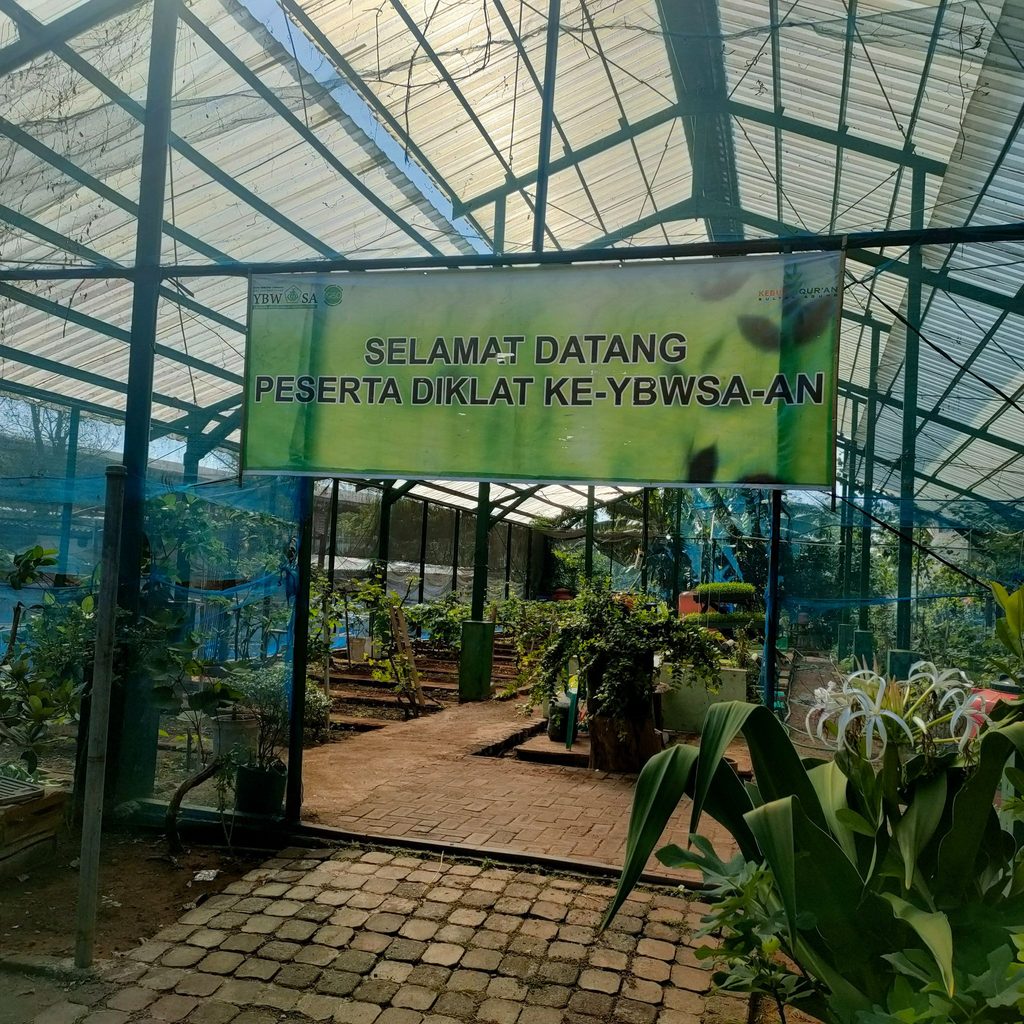
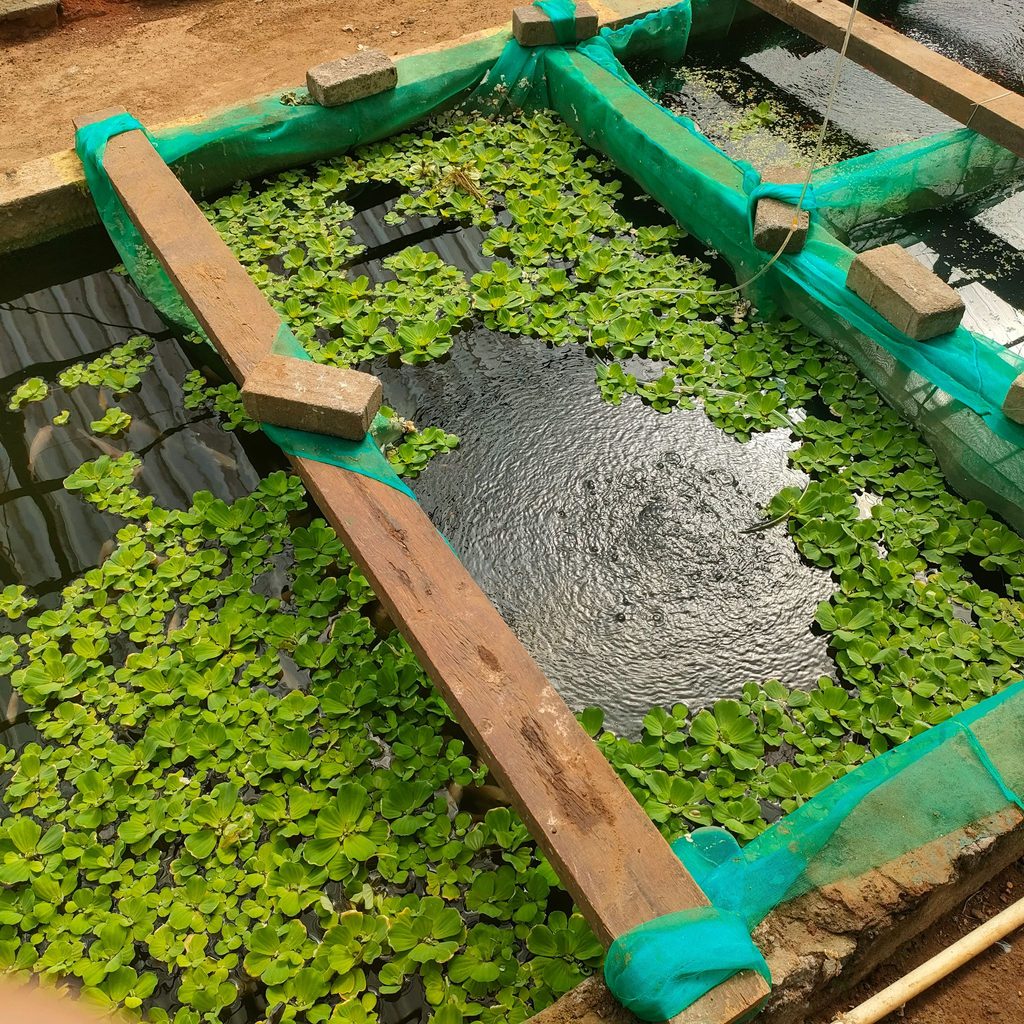
Qur’anic Garden as a Living Agricultural Learning Facility
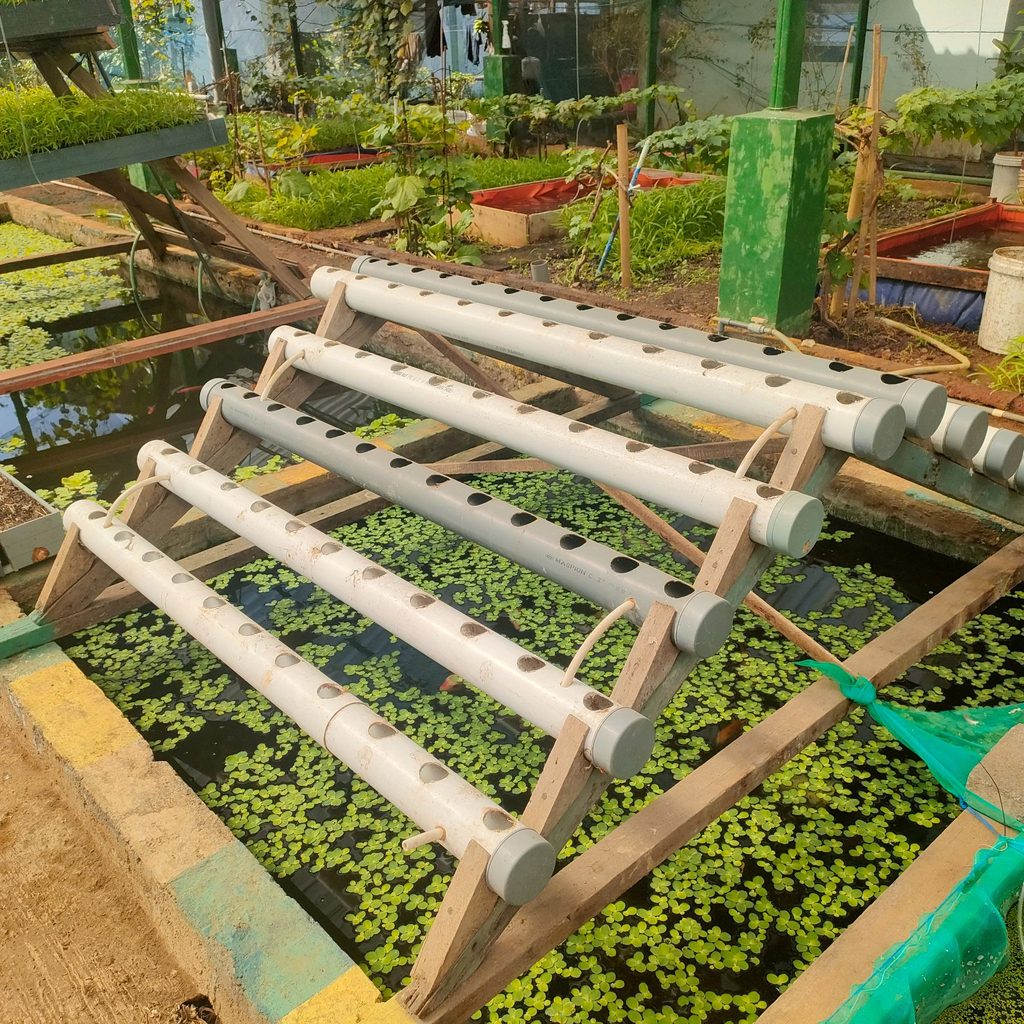
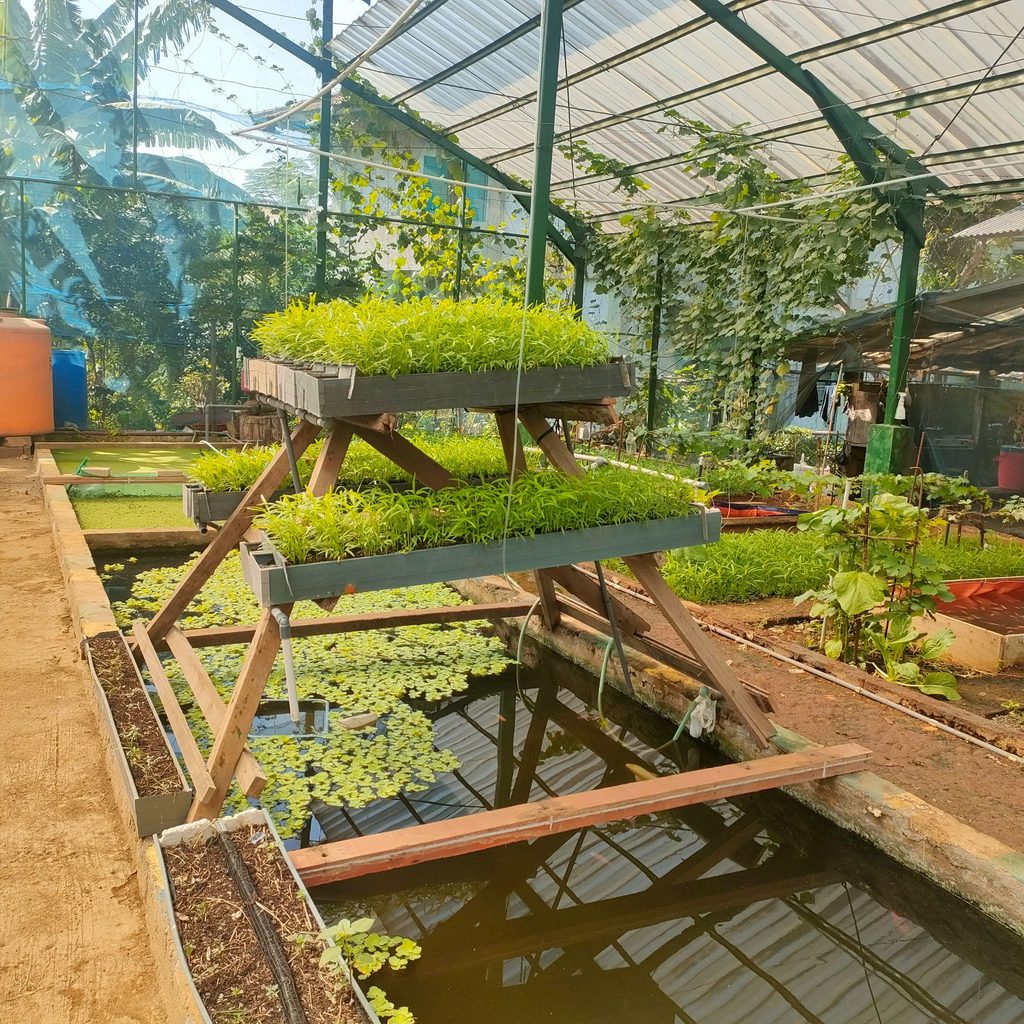
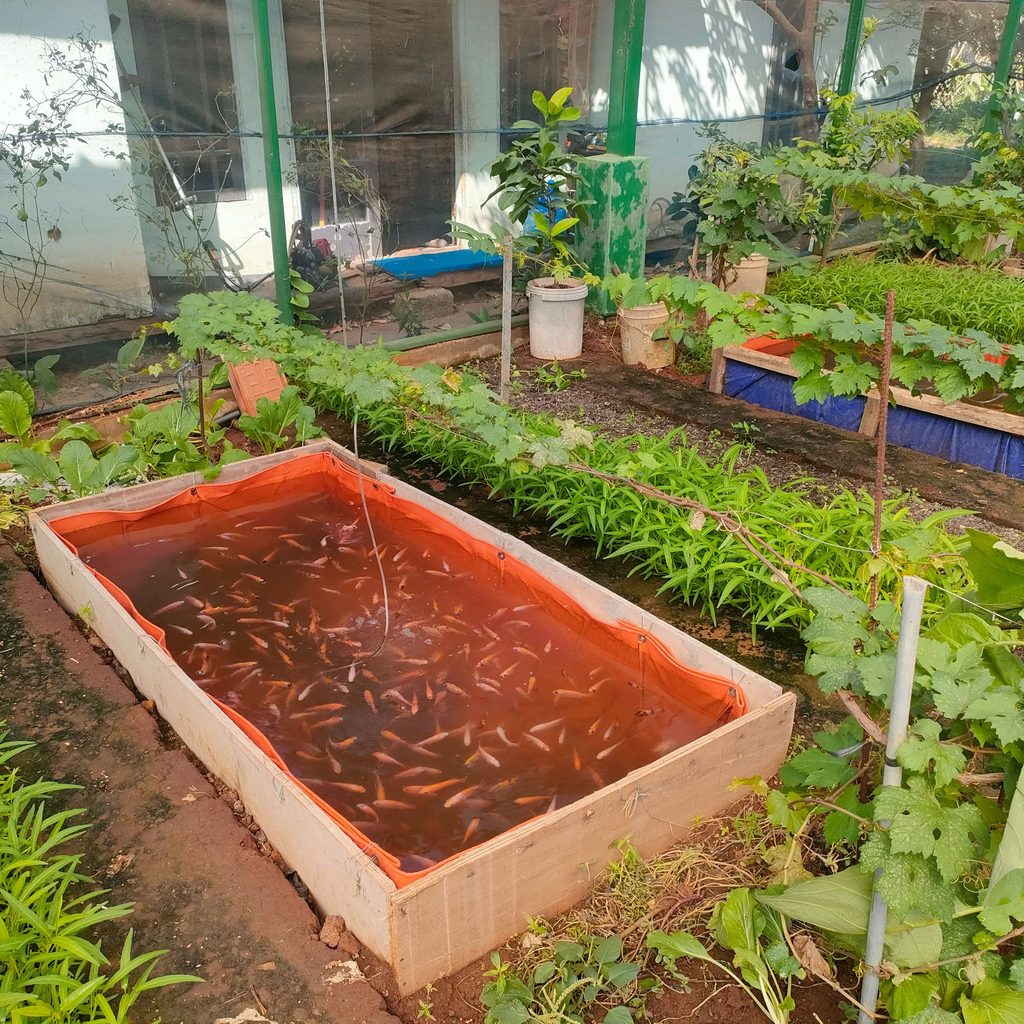
The Qur’anic Garden (Kebun Qur’an) functions as a living-learning facility where agricultural and environmental knowledge can be demonstrated in practical settings.
The garden provides access to and demonstrates:
- useful and food-related plants;
- cultivation areas;
- hydroponic systems;
- aquatic and water-based cultivation;
- biodiversity resources;
- environmentally responsible production practices; and
- other practical agricultural-learning resources.
The facility supports practical learning about plants, cultivation techniques, biodiversity, environmental stewardship, and the sustainable use of natural resources.
Access for Local Farmers and Food Producers
UNISSULA provides local farmers and food producers with access to its agricultural facilities and demonstration resources for practical learning and the improvement of sustainable farming practices.
Through this access, participants can:
- observe sustainable cultivation methods;
- learn how hydroponic systems operate;
- understand resource-efficient food production;
- examine practical agricultural technologies;
- discuss cultivation challenges with university experts;
- learn about biodiversity and plant resources;
- study environmentally responsible farming approaches; and
- relate university knowledge to real production conditions.
This approach enables local producers to use university facilities as practical learning environments rather than limiting agricultural knowledge to classroom-based or academic activities.
Hydroponic Facilities and Sustainable Cultivation Demonstration
UNISSULA’s agricultural-learning environment includes hydroponic systems that demonstrate food production using controlled cultivation techniques.
These facilities provide practical examples of:
- soilless cultivation;
- nutrient management;
- water-use efficiency;
- controlled growing conditions;
- sustainable food production; and
- alternative cultivation methods.
Local farmers and food producers can use these facilities as demonstration and learning resources to understand how hydroponic technologies may be adapted to their own production activities.
The hydroponic installations and cultivation areas within the Qur’anic Garden form part of UNISSULA’s wider agricultural-learning environment.
Aquatic and Integrated Food-Production Resources
The Qur’anic Garden also includes water-based and aquatic cultivation resources that broaden the range of sustainable food-production practices demonstrated by the university.
These resources provide opportunities to learn about:
- water-based food systems;
- integrated cultivation;
- efficient use of land and water resources;
- basic aquatic production concepts; and
- sustainable management of agricultural ecosystems.
Such facilities support practical understanding of diversified food-production systems and resource-efficient cultivation methods.
Plant and Biodiversity Learning Resources
The Qur’anic Garden provides access to a variety of plants and agricultural resources relevant to education, cultivation, biodiversity, and food systems.
These resources are used to demonstrate:
- plant diversity;
- useful plants;
- food-related species;
- cultivation practices;
- ecosystem relationships; and
- responsible use of natural resources.
The Qur’anic Garden therefore functions both as a biodiversity resource and as a practical agricultural-learning facility.
Smart and Appropriate Agricultural Technology
UNISSULA also integrates practical technologies into its agricultural and food-production engagement activities.
Relevant technologies include:
- hydroponic production systems;
- environmental monitoring;
- temperature and nutrient control;
- renewable-energy applications;
- photovoltaic technology;
- smart farming;
- water-management systems; and
- other applied technologies used in agricultural community-service programmes.
These technologies provide local farmers and food producers with opportunities to observe, understand, and learn about practical tools that can improve production efficiency and sustainability.
Practical Learning with University Experts
Access to university facilities is complemented by guidance from lecturers, researchers, and community-service teams.
Local farmers and food producers are able to:
- visit agricultural facilities;
- observe technologies in operation;
- receive practical demonstrations;
- participate in hands-on learning;
- ask questions directly to university experts;
- discuss production challenges;
- receive technical guidance; and
- explore how technologies can be adapted to local conditions.
This interaction strengthens the role of university facilities as practical community-learning resources.
Supporting Sustainable Farming Practices
UNISSULA’s agricultural facilities and technologies support sustainable farming by demonstrating approaches that can contribute to:
- improved resource efficiency;
- reduced environmental impact;
- improved water management;
- renewable-energy use;
- sustainable cultivation;
- biodiversity conservation;
- improved food-production efficiency; and
- responsible use of natural resources.
The Qur’anic Garden supports agricultural and environmental education through useful and food-related plants, sustainable cultivation systems, biodiversity awareness, and community engagement.
Community Engagement Through University Facilities
UNISSULA uses university resources as community-engagement facilities rather than limiting them to internal academic use.
The university’s approach can be represented as:
University facilities → Community access → Agricultural learning → Technology demonstration → Sustainable farming practices
This model enables local farmers and food producers to benefit directly from university resources, practical technologies, and applied knowledge.
Free Access for Farmers and Food Producers
Access to these facilities and related community-engagement activities is provided free of charge to participating local farmers and food producers.
The activities are implemented through UNISSULA’s community-service framework and are supported by institutional and community-service funding.
Participants are not charged fees for:
- facility access;
- demonstrations;
- training;
- mentoring;
- practical learning; or
- technology-related guidance.
This funding model removes financial barriers and enables local farmers and food producers to benefit directly from university facilities, expertise, and practical learning resources.
Institutional Commitment to Community Access
UNISSULA recognises that universities can contribute to food security not only through research and classroom education, but also by opening relevant facilities, technologies, and expertise to local food producers.
By providing access to the Qur’anic Garden, hydroponic systems, cultivation facilities, biodiversity resources, agricultural technologies, and university experts, UNISSULA strengthens the capacity of local producers to understand and apply more sustainable farming practices.
This approach supports knowledge transfer, practical skills development, resource efficiency, and the long-term sustainability of local food-production activities.
Evidence of Implementation
UNISSULA’s provision of university access for local farmers and food producers is demonstrated through the following institutional evidence:
- Access to the Qur’anic Garden as an agricultural and environmental learning facility.
- Hydroponic cultivation facilities used for practical learning and demonstration.
- Water-based and integrated cultivation resources.
- Access to food-related plants and biodiversity-learning resources.
- Practical exposure to sustainable cultivation methods.
- Access to agricultural and environmental technologies.
- Interaction with university experts through community-service activities.
- Free participation and facility access for local farmers and food producers.
- Use of university facilities to support sustainable farming knowledge and practice.