
2.5.3 University access to local farmers and food producers
UNISSULA Provides Access to Agricultural Resources and Knowledge through the Qur’anic Garden and Community Engagement
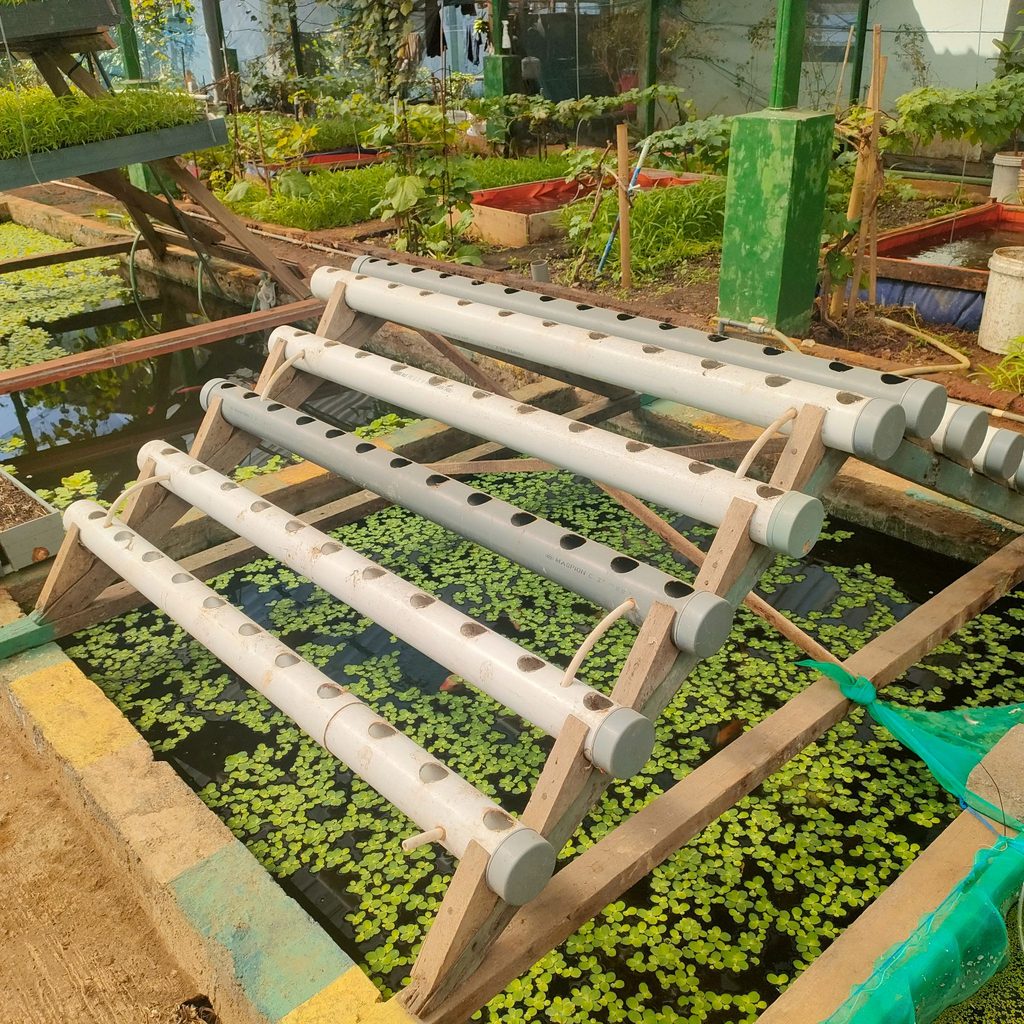
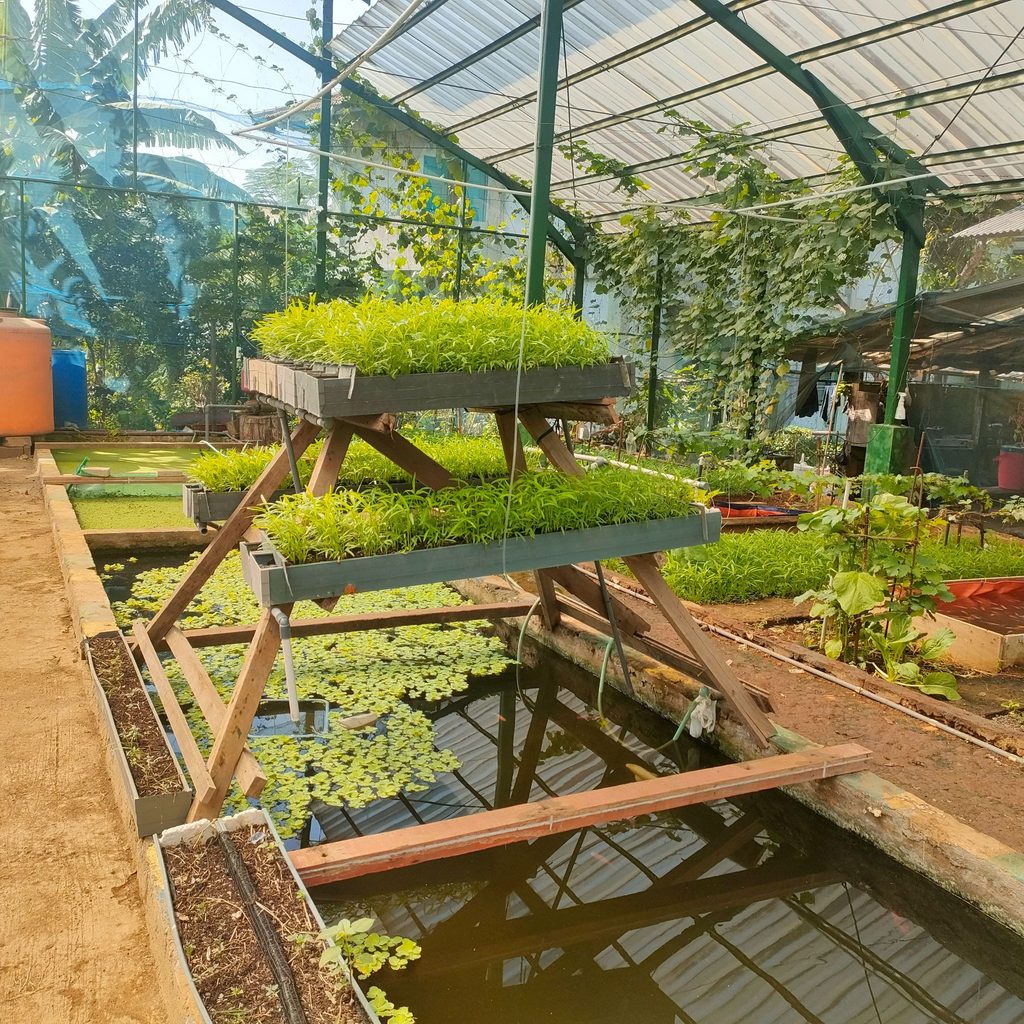
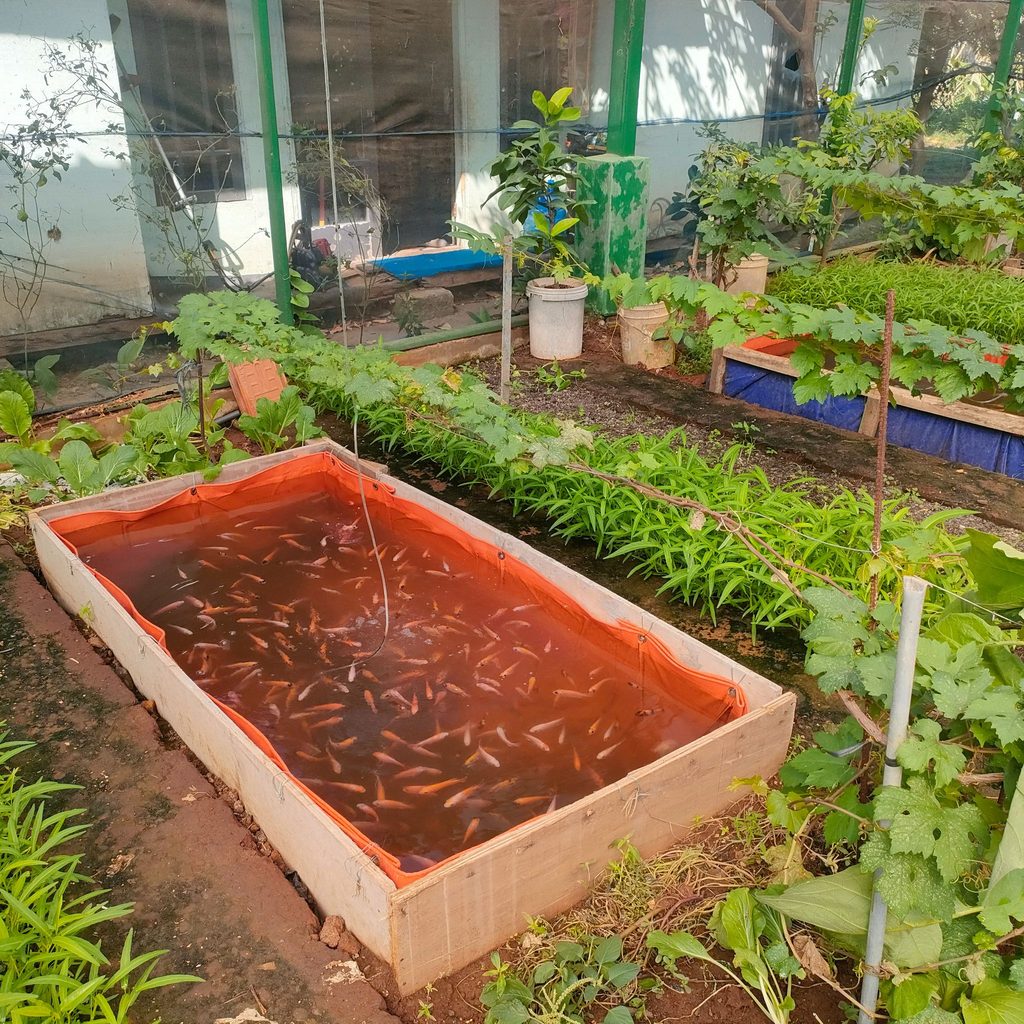
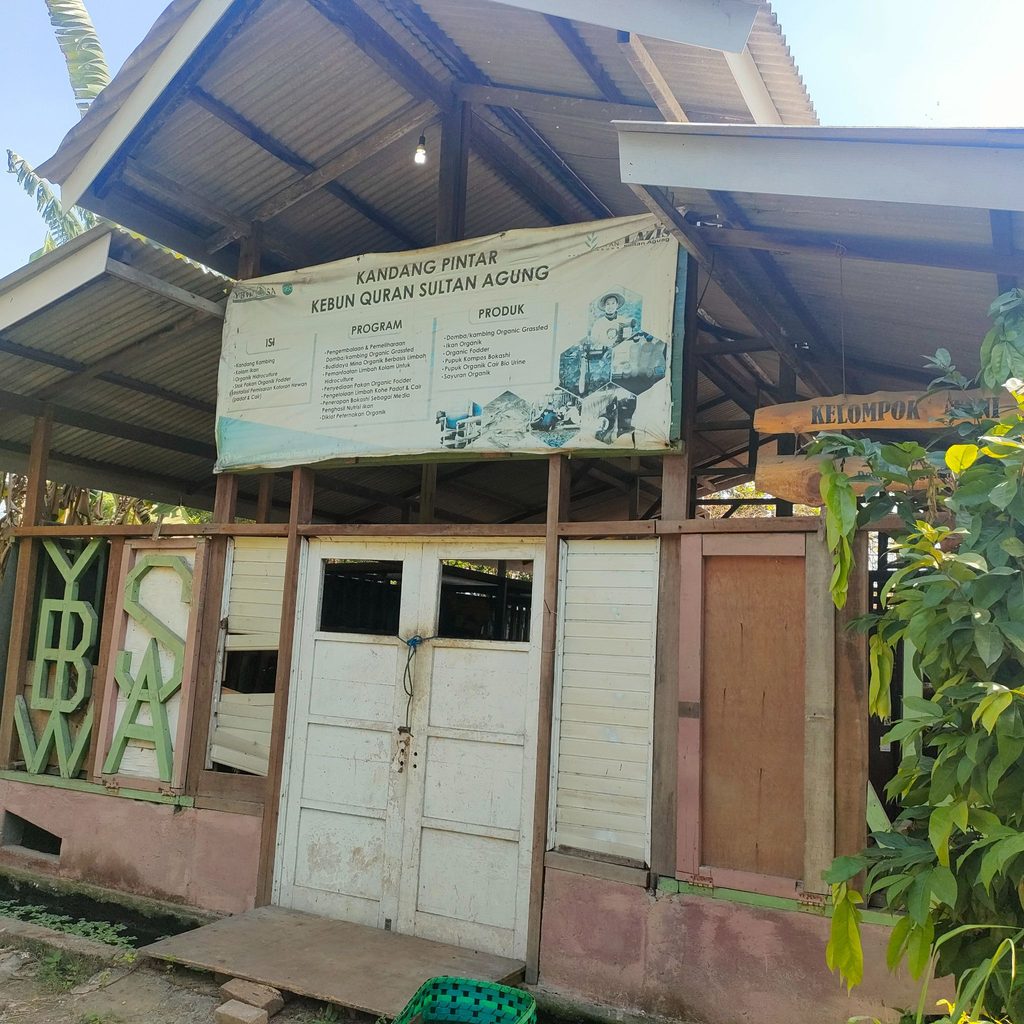
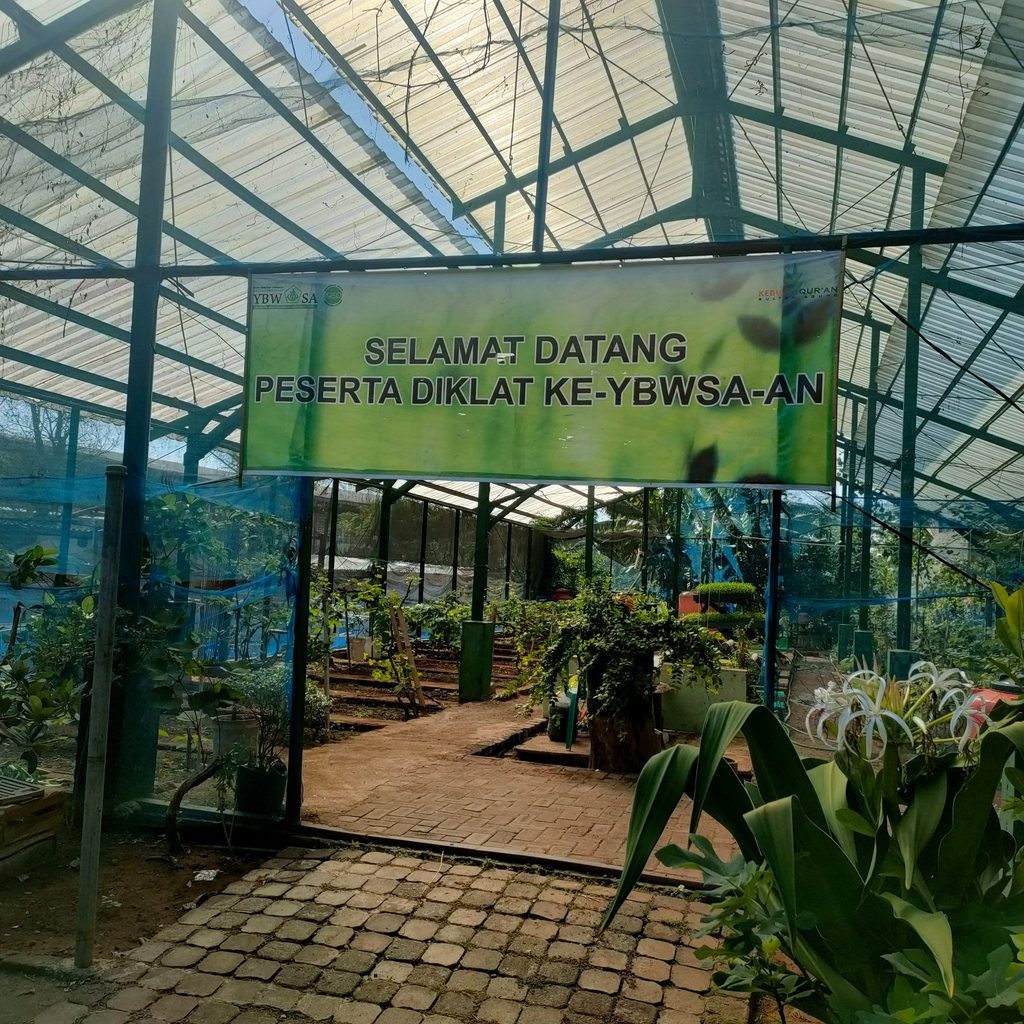
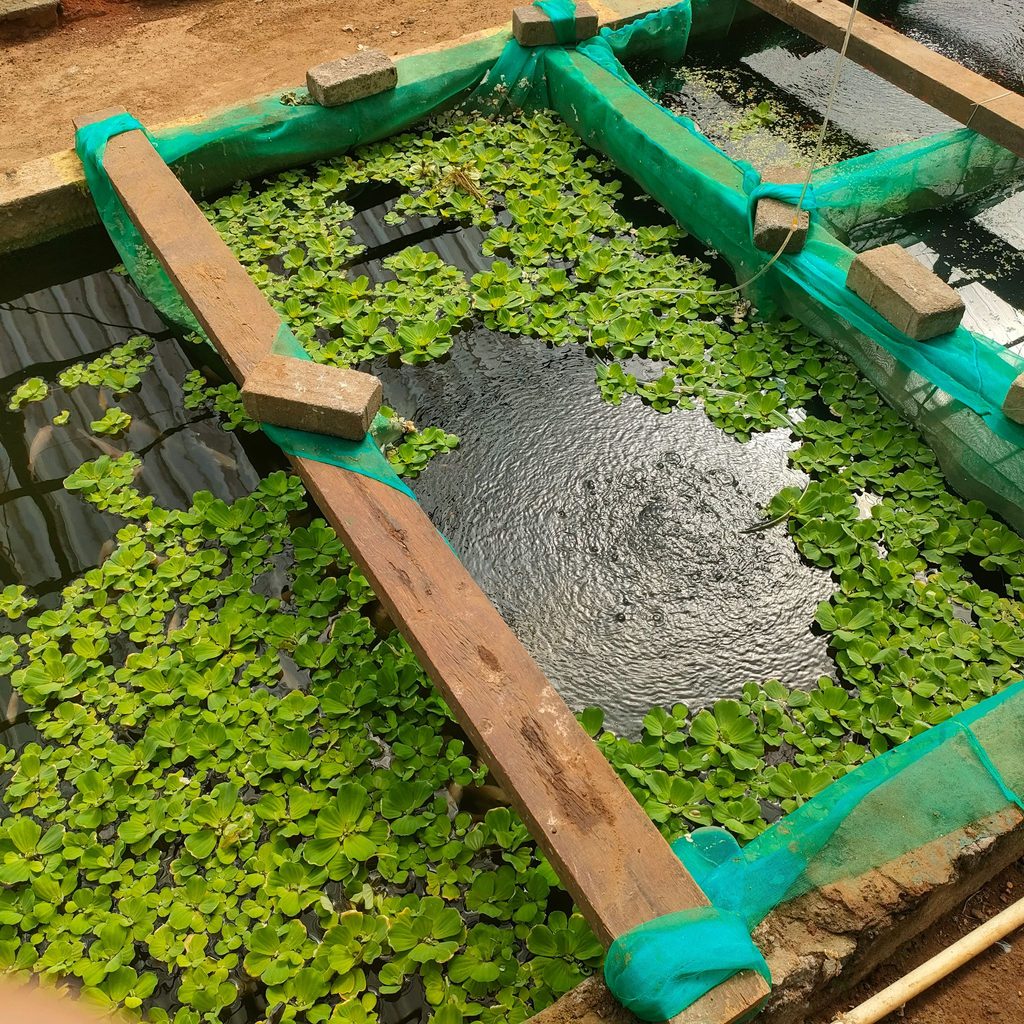
Universitas Islam Sultan Agung (UNISSULA) is committed to supporting Sustainable Development Goal (SDG) 2: Zero Hunger by providing access to agricultural knowledge, facilities, technology, and community-based learning opportunities for local communities and food producers.
As an Islamic university, UNISSULA integrates sustainability with Islamic values through initiatives that promote environmental stewardship, food security, education, and community empowerment. One of the distinctive initiatives supporting this commitment is the Qur’anic Garden (Kebun Qur’an), which provides a living learning environment connecting Islamic values, biodiversity, agriculture, education, and sustainable food systems.
The Qur’anic Garden forms part of UNISSULA’s broader effort to demonstrate how university resources can be utilized as educational and community engagement facilities. It provides an opportunity for students, lecturers, communities, and relevant stakeholders to learn about plants, cultivation, environmental sustainability, and the relationship between food systems and human well-being.
Qur’anic Garden: A Living Learning Resource for Sustainable Food Systems
The Qur’anic Garden (Kebun Qur’an) is one of UNISSULA’s distinctive environmental and educational resources.
The garden introduces plants and agricultural resources that have relevance to Islamic teachings and human life. It provides a practical environment where the academic community can learn about plants, cultivation, biodiversity, environmental stewardship, and sustainable use of natural resources.
The Qur’anic Garden supports SDG 2 by providing a physical setting for:
- agricultural and environmental education;
- introduction to useful and food-related plants;
- sustainable cultivation practices;
- biodiversity awareness;
- student learning and practical activities;
- community engagement; and
- promotion of responsible use of natural resources.
Through this approach, UNISSULA demonstrates that food security education can be connected with local culture, Islamic values, environmental sustainability, and practical learning.