17.2.3 UNISSULA Strengthens International Collaboration on SDG-Related Data and Water Sustainability through Wetskills Foundation
International Collaboration for Sustainable Development Data
Universitas Islam Sultan Agung (UNISSULA) strengthens international collaboration in sustainable development through its partnership with Wetskills Foundation, a Netherlands-based non-profit organisation specialising in international water challenges, applied learning, and knowledge exchange.
In 2025, UNISSULA collaborated with Wetskills Foundation and international water-sector partners to address water management challenges in Semarang, Indonesia. The collaboration connected academic expertise with real-world environmental problems, field observations, technical information, and case-based analysis relevant to the United Nations Sustainable Development Goals (SDGs).
The partnership focused particularly on sustainable water management, urban resilience, climate change adaptation, and water-use efficiency.
International Collaboration through Wetskills-Indonesia 2025
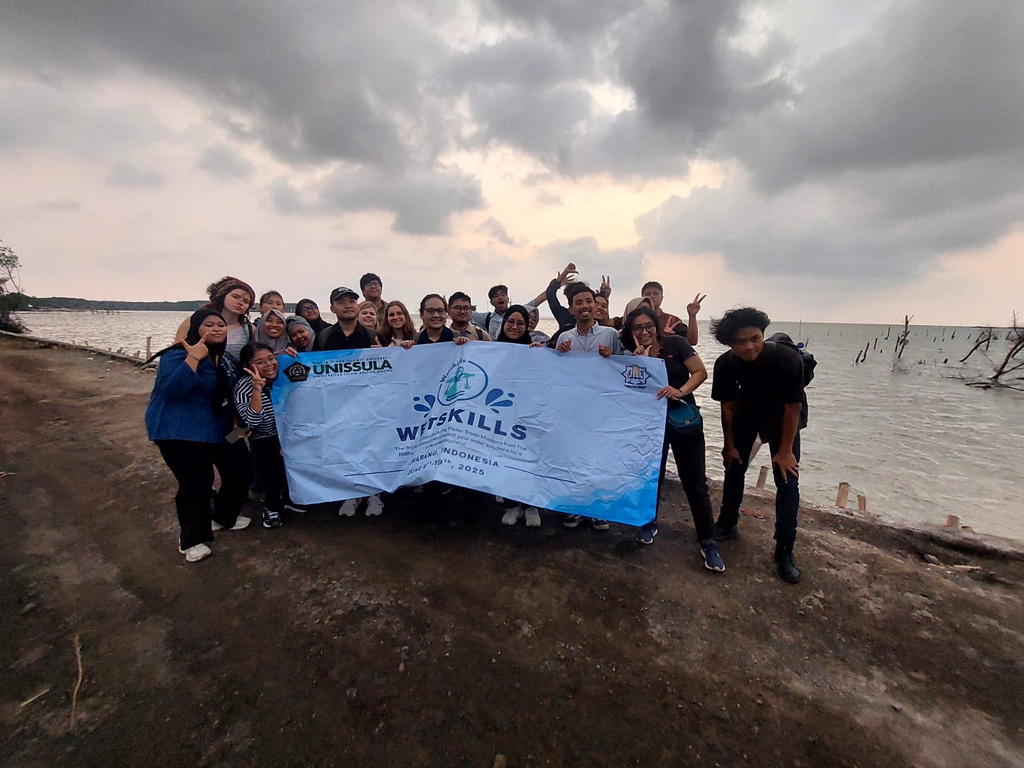
From 8 to 19 June 2025, UNISSULA hosted and supported Wetskills-Indonesia 2025, an international water challenge programme organised in cooperation with Wetskills Foundation from the Netherlands.
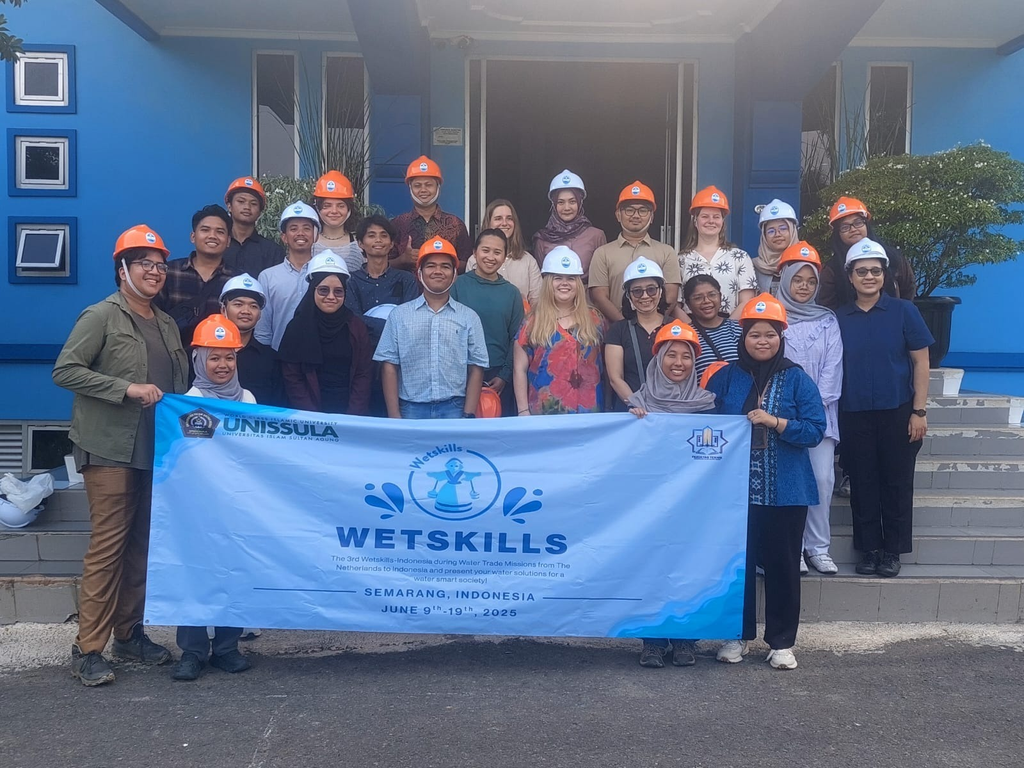
The programme brought together 24 young participants from different countries to collaborate in multidisciplinary teams on real-world water and environmental challenges.
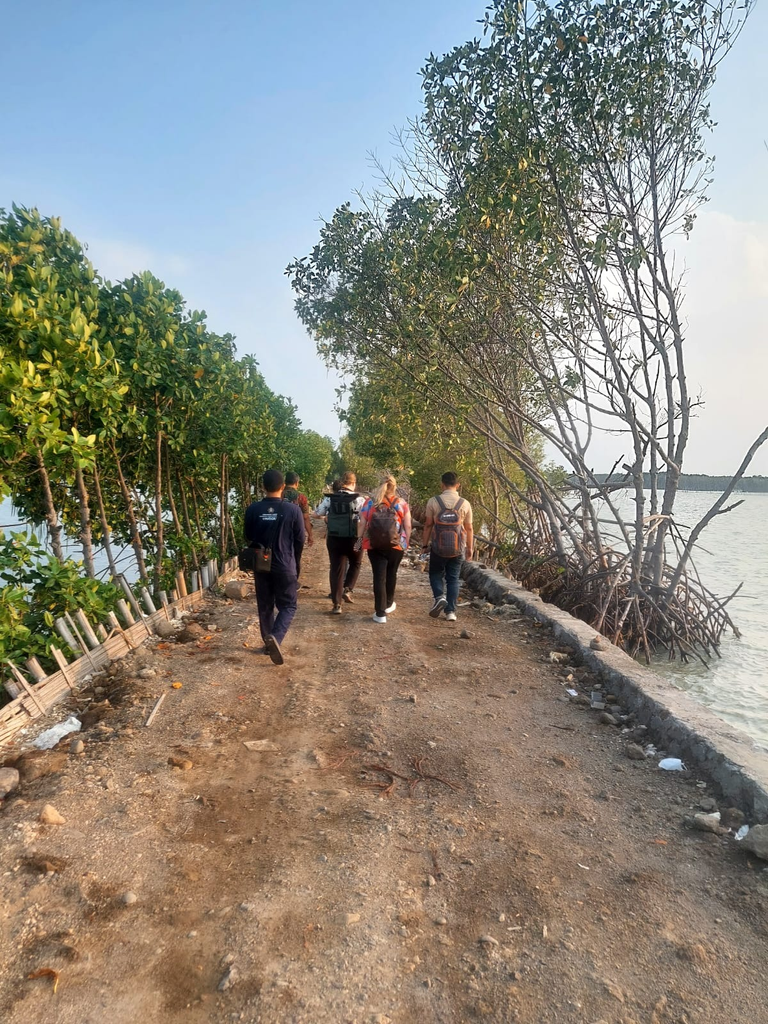
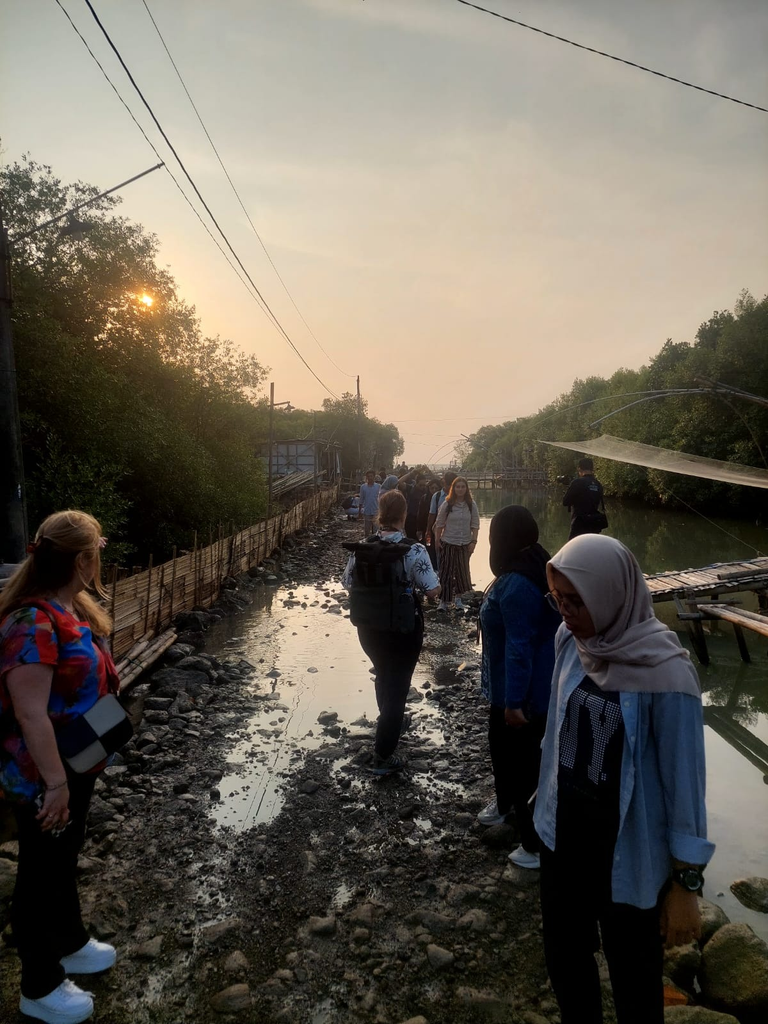
Participants engaged with local water-sector stakeholders, international experts, and professional mentors to examine problems affecting Semarang and surrounding areas.
The programme combined case-based technical analysis, local field visits, expert consultation, and the development of proposed solutions.
Its thematic areas included:
- coastal flooding;
- groundwater depletion;
- water distribution losses;
- wastewater reuse; and
- sustainable water infrastructure.
UNISSULA was identified as an official event partner and served as the programme venue in Semarang.
Public Evidence:
Collaborative Examination of Water-Related Environmental Data
An important component of Wetskills-Indonesia 2025 was the examination of water management challenges through real-life case studies provided by government-related institutions, water utilities, and private-sector organisations.
The programme addressed four principal cases.
Community Engagement for Water Solutions
The first case was provided by Blue Deal Indonesia, a programme involving Indonesian local governments and Dutch Water Authorities.
The case examined community participation in addressing flooding and strengthening local resilience.
Participants considered how communities could become more involved in sustainable water management and adaptation initiatives.
Nature-Based Coastal Protection
The second case was provided by Van Oord Dredging and Marine Contractors B.V.
It examined the potential development of natural foreshores in Semarang, including environmental and socioeconomic conditions relevant to coastal protection.
The analysis addressed challenges related to:
- coastal erosion;
- land subsidence;
- flooding; and
- nature-based infrastructure.
Semarang River Revitalisation
The third case, provided by Semarang Old City Heritage, examined the potential revitalisation of the Semarang River.
The case considered the relationship between:
- river management;
- cultural heritage;
- environmental conditions;
- tourism; and
- urban development.
Water Footprint Compensation and Water-Loss Reduction
The fourth case was developed by PDAM Semarang, WaterWorX, and Water Footprint Implementation.
It focused on improving water-use efficiency through the reduction of Non-Revenue Water (NRW), including losses associated with leaks and inefficiencies in water distribution systems.
The case introduced the Water Footprint Compensation framework, which connects corporate water use with water-saving interventions.
This framework emphasises measurable water savings and credible data for water stewardship.
The Wetskills teams examined the practical challenges of developing such an approach in Semarang.
Together, these cases connected international collaboration with locally relevant environmental information, technical analysis, and sustainable water management challenges.
Public Evidence:
Water Footprint Compensation: A Data-Oriented Case Study
The Water Footprint Compensation case provided a particularly relevant example of the programme’s focus on measurement-based water management.

The case was developed in cooperation with PDAM Semarang, WaterWorX, and Water Footprint Implementation.
It addressed the potential use of water-loss reduction projects to compensate for corporate water consumption while supporting improved water security.
The approach considered how water savings could be:
- quantified;
- traced; and
- communicated through credible information.
The case was especially relevant to the monitoring of water-use efficiency and sustainable water resource management.
During the final session on 18 June 2025, the Wetskills teams presented their proposed solutions to an expert jury.
Team 4, which worked on Water Footprint Compensation in Semarang, was announced as the winning team by the Netherlands’ Special Envoy for Water, Meike van Ginneken.
The programme therefore resulted in a documented international team solution addressing a water-management problem for which measurable results are central to the proposed approach.
The available public documentation establishes the case, its measurement-oriented objectives, and the presentation of solutions. It does not independently establish a completed dataset of verified water savings produced by the winning team.
Public Evidence:
Formal International Cooperation Agreement between UNISSULA and Wetskills Foundation
On 16 June 2025, UNISSULA and Wetskills Foundation signed a Memorandum of Agreement (MoA) during the Dutch Trade Mission to Indonesia in Jakarta.

The agreement was signed by:
- Dr. Abdul Rochim, Dean of the Faculty of Engineering, UNISSULA; and
- Johan Oost, Managing Director of Wetskills Foundation.
The signing was witnessed by representatives of the Dutch Trade Mission.
The MoA formalised continued cooperation between UNISSULA and Wetskills Foundation, following their collaboration on international water challenges in Semarang.
The agreement covered several areas of cooperation:
- organisation of future Wetskills international programmes in Indonesia;
- development of follow-up research activities through the WetsNext initiative;
- knowledge exchange between students, researchers, and water-sector professionals; and
- continued engagement with real-world water sustainability challenges.
The partnership strengthens the institutional foundation for international research, knowledge exchange, and future data-oriented activities concerning sustainable water resources.
The agreement also demonstrates the continuity of cooperation between UNISSULA and an international non-profit organisation.
Public Evidence:
International Collaboration and SDG-Related Data Themes
UNISSULA’s collaboration with Wetskills Foundation in 2025 connected international expertise with technical issues relevant to sustainable development measurement.
| Area of Collaboration | Data or Measurement Relevance | Related SDGs |
|---|---|---|
| Groundwater depletion and land subsidence | Groundwater conditions and environmental risks | SDG 6, 11, 13 |
| Flooding and coastal resilience | Flood risk and climate adaptation information | SDG 11, 13 |
| Water distribution efficiency | Water losses and Non-Revenue Water | SDG 6 |
| Water Footprint Compensation | Quantification and traceability of water savings | SDG 6, 12 |
| River revitalisation | Environmental and urban planning information | SDG 11, 14 |
| Community-based water management | Community participation and local resilience information | SDG 6, 11, 13 |
These themes demonstrate the relevance of the collaboration to the collection, interpretation, and potential application of environmental information supporting sustainable development.
The programme’s international case-based approach enabled participants to engage with technical challenges and develop proposals informed by local context and professional expertise.