

















4.3.4 Education Outreach Activities Beyond Campus
UNISSULA Delivers Educational Outreach Programmes in Local Communities
Universitas Islam Sultan Agung (UNISSULA) undertakes educational outreach activities beyond the university campus as part of its commitment to lifelong learning, community empowerment, and wider access to education.
These activities included tailored lectures, practical demonstrations, technical training, mentoring, digital-literacy programmes, entrepreneurship education, health education, and other forms of community-based learning.
Educational Outreach in Local Communities
UNISSULA’s outreach activities are designed to respond to the specific needs of local communities.
Rather than limiting educational activities to the university campus, lecturers and students bring knowledge, technology, and practical skills directly to community participants.
Outreach programmes include:
- technical training;
- digital-literacy education;
- financial-management training;
- entrepreneurship mentoring;
- health education;
- sustainable agriculture;
- technology demonstrations;
- environmental education; and
- community empowerment.
Digital Financial Training for MSMEs in Ndudak Sidodadi
In 2025, UNISSULA conducted an educational outreach programme for MSMEs in Ndudak Sidodadi Village, Mijen, Semarang.
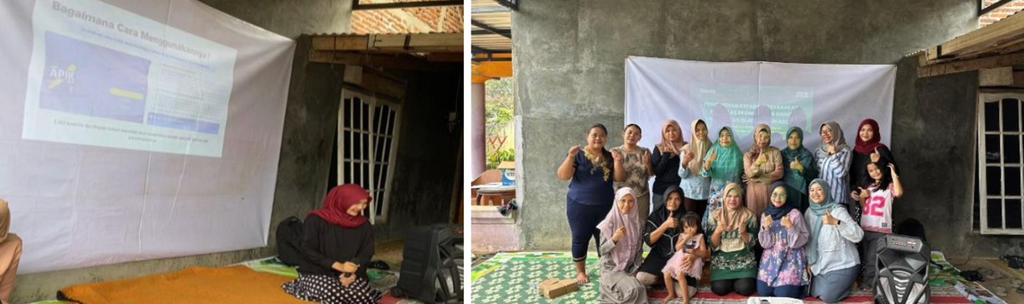
The programme focused on digital financial management and aimed to improve the ability of local entrepreneurs to manage business finances using digital tools.
Training covered:
- basic financial recording;
- transaction management;
- preparation of simple financial reports;
- SI APIK;
- BukuKas; and
- Microsoft Excel.
The programme used a structured method consisting of:
- initial observation;
- needs assessment;
- training;
- practical exercises;
- mentoring;
- monitoring; and
A total of 23 MSME participants took part in the programme.
Following the training, participants demonstrated substantial improvement in practical digital-finance skills, including an increase in the ability to install and operate SI APIK from 20% before training to 90% after training.
This programme demonstrates UNISSULA’s direct educational contribution to community economic capacity and digital literacy.
Technical and Entrepreneurship Training in Local Communities
UNISSULA also implements technical and entrepreneurship education for community members.
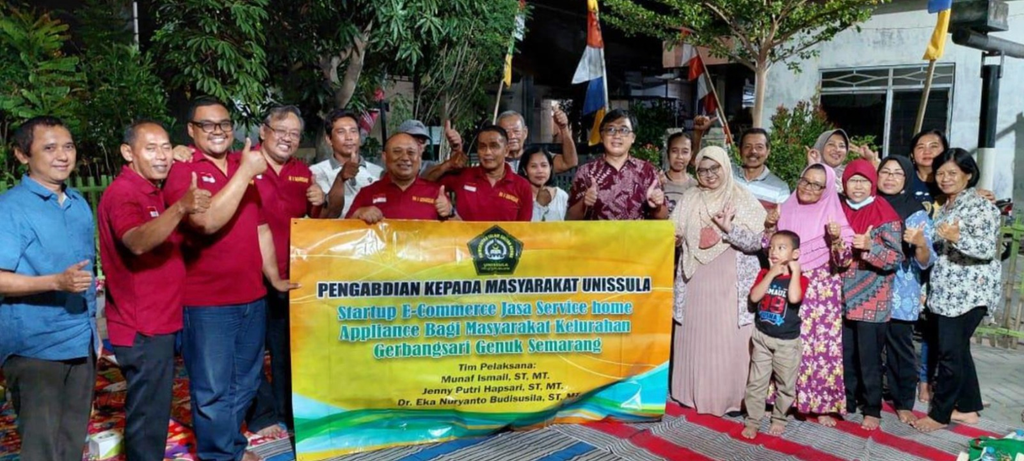
An example of this outreach model is the technical and e-commerce training programme implemented for residents in Gebangsari, Semarang.
The programme provided education in:
- air-conditioning maintenance;
- technical repair skills;
- startup development;
- e-commerce; and
- digital marketing.
The programme was designed to help local residents develop practical skills, improve employability, and establish income-generating service activities. 41935-107008-1-PB
Although this specific programme was implemented prior to the 2025 reporting year, it demonstrates continuity in UNISSULA’s community-based educational outreach model.
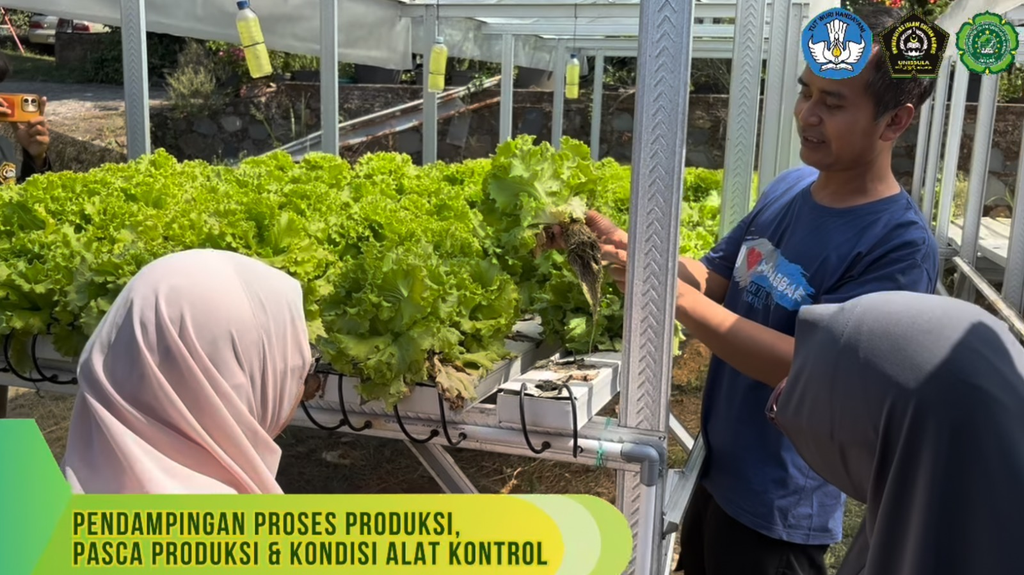
Agricultural and Food-Production Education
UNISSULA also conducts outreach programmes for farmers and food producers.
Educational activities include:
- hydroponic cultivation;
- smart farming;
- nutrient and temperature control;
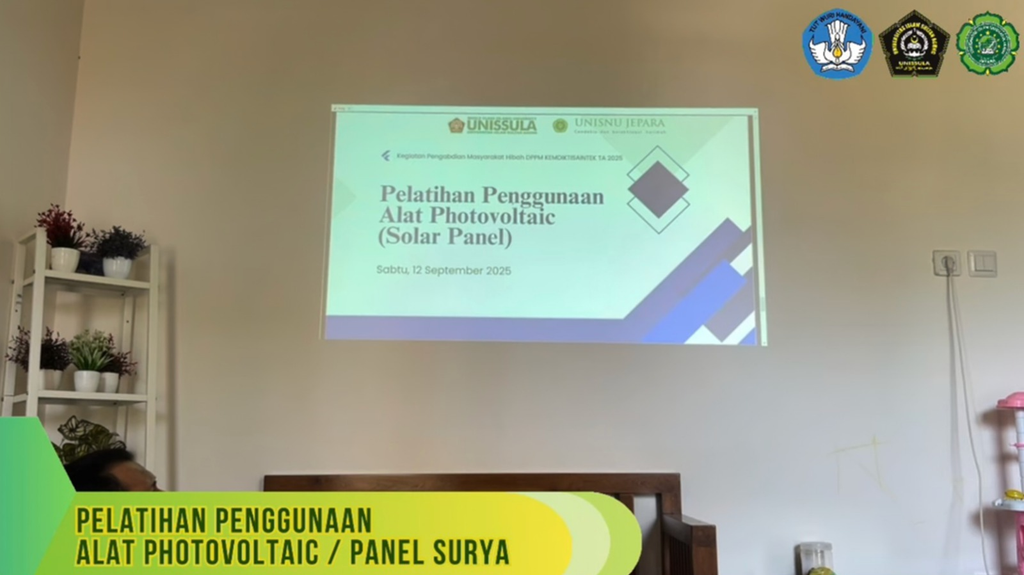
- renewable energy use;
- sustainable farming practices;
- food processing;
- digital marketing; and
- technology transfer.
These activities are delivered directly to local producers and community groups, helping participants apply university knowledge to real production environments.

Health Education Outreach
UNISSULA’s health faculties also provide educational outreach beyond campus.
Activities include:
- reproductive-health education;
- maternal and child health;
- immunisation education;
- hypertension prevention;
- healthy lifestyles;
- nutrition;
- health screening; and
- community-health training.
These programmes combine education with practical health support and help improve public-health awareness in surrounding communities.
Outreach to Local Schools
UNISSULA also engages with local schools through educational activities, demonstrations, competitions, mentoring, and academic outreach.
Activities involve:
- science and technology education;
- health education;
- career information;
- language learning;
- university preparation; and
- student-led educational programmes.
These activities help connect university expertise with younger learners and local education communities.
Student Participation and Volunteering
Students participate in many UNISSULA outreach programmes alongside lecturers and professional staff.
Student involvement include:
- assisting with training;
- community mentoring;
- health education;
- technology demonstrations;
- school engagement; and
- other volunteer-based educational activities.
This allows students to apply academic knowledge while contributing directly to community learning and development.
Programmed and Ad-Hoc Outreach
UNISSULA implements both:
Programmed Outreach
Regular or planned activities include:
- community-service programmes;
- health outreach;
- agricultural training;
- MSME development;
- educational partnerships; and
- community empowerment.
Ad-Hoc Outreach
UNISSULA also responds to specific community needs through:
- specialised workshops;
- technical demonstrations;
- targeted training;
- short educational interventions; and
- student-led activities.
This combination enables the university to address both long-term community learning needs and immediate local challenges.
2025 Evidence of Educational Outreach
UNISSULA’s evidence includes:
- Digital financial-management training for MSMEs in Ndudak Sidodadi Village, 2025;
- practical training using SI APIK, BukuKas, and Microsoft Excel;
- mentoring and evaluation for local entrepreneurs;
- agriculture and smart-farming outreach;
- health education and community-health activities;
- technical and digital-skills training;
- outreach activities involving lecturers and students; and
- educational activities delivered directly in communities outside the university campus.