













16.2.2 Recognition of Independent Student Organisations at Universitas Islam Sultan Agung (UNISSULA)
Institutional Recognition of Independent Student Organisations
Universitas Islam Sultan Agung (UNISSULA) formally recognises student representative organisations, including the Student Executive Board (Badan Eksekutif Mahasiswa Keluarga Mahasiswa, BEM KM) and the Student Senate (Senat Mahasiswa), as important institutions representing student interests and supporting student participation in university life.
These organisations provide mechanisms for student representation, organisational governance, leadership development, student support, and community engagement.
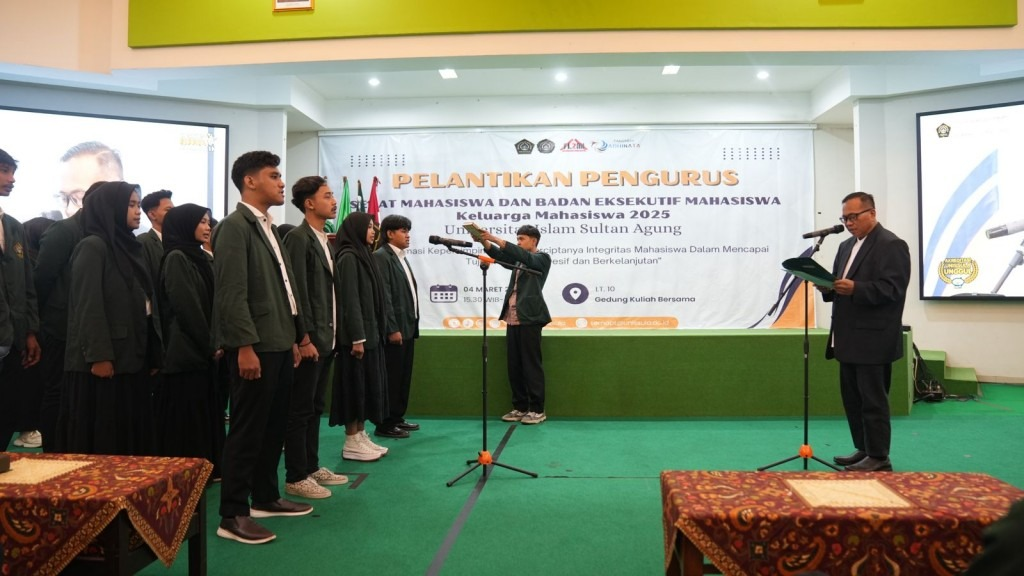
UNISSULA’s official recognition is demonstrated through the inauguration of the Student Senate and BEM KM leadership for the 2025–2026 period by the Rector of UNISSULA in March 2025. The inauguration affirmed the important role of student representatives in representing the interests of the university’s student community.
The university recognises student-led organisational mechanisms, including leadership selection, internal deliberation, programme planning, and organisational accountability. These mechanisms enable student organisations to exercise their representative functions within the university’s institutional framework.
Official evidence:
https://unissula.ac.id/blog/rektor-lantik-senat-dan-bem-km-unissula
Independent Student Governance and Representation
UNISSULA supports student participation in organisational decision-making through student representative bodies at university and faculty levels.
One documented example is the Student Organisations General Assembly (Musyawarah Besar) held at the Faculty of Industrial Technology on 18–20 December 2025.
The assembly brought together representatives from eight student organisations and provided a forum for student-led deliberation and organisational accountability.

The activities included discussion of organisational regulations, review of the Articles of Association and Bylaws (AD/ART), evaluation of accountability reports, and selection of student organisation leaders.
The leadership selection process was conducted through recognised student deliberation mechanisms, reflecting the role of students in managing their organisational affairs.
In January 2025, student representative organisations at the Faculty of Industrial Technology also participated in a work-planning assembly to discuss organisational priorities, activities, and student programme development.
These processes demonstrate practical mechanisms through which student representatives contribute to organisational governance and express the collective interests of students.
Official evidence:
https://fti.unissula.ac.id/lembaga-kemahasiswaan-fti-ikuti-musyawarah-besar-2025
https://fti.unissula.ac.id/musyawarah-kerja-lembaga-kemahasiswaan-fti-periode-2025
Student Support and Advocacy
BEM KM and Student Senate organisations provide institutional channels for student representation, communication, and advocacy.
Through these organisations, students can express aspirations, raise concerns relating to student affairs, participate in discussions about academic and non-academic activities, and contribute to the development of university student programmes.
The university’s recognition of the BEM KM and Student Senate leadership in 2025 reinforces their representative responsibility towards the broader student community.
Student organisations also undertake programme evaluation and coordination activities to support organisational effectiveness and student development.
The consolidation meetings held by student organisations at the Faculty of Industrial Technology in 2025 provided opportunities to evaluate organisational activities, identify implementation challenges, and coordinate improvements.
These student-led mechanisms contribute to student participation, leadership development, and the representation of student interests within the university.
Official evidence:
https://unissula.ac.id/blog/rektor-lantik-senat-dan-bem-km-unissula
https://fti.unissula.ac.id/lembaga-kemahasiswaan-fti-ikuti-rapat-konsolidasi-ketiga
Student-Led Social Activities and Community Engagement
Beyond their representative and organisational responsibilities, student organisations at UNISSULA actively promote social solidarity and community engagement.
An example is the humanitarian fundraising initiative conducted by BEM KM UNISSULA through its Ministry of Social Affairs (Kementerian Sosial Masyarakat, KEMENSOSMA).
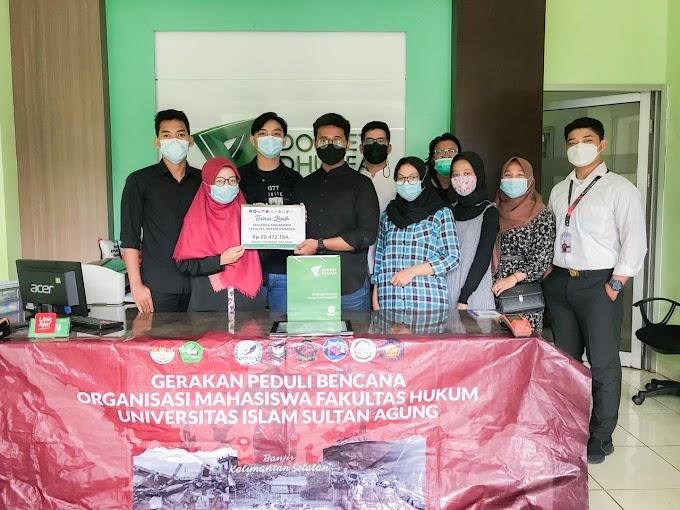
The initiative was organised to support communities affected by tidal flooding in the coastal areas of Semarang and Demak, Central Java.
BEM KM members conducted fundraising through public donation collection and online campaigns on social media.
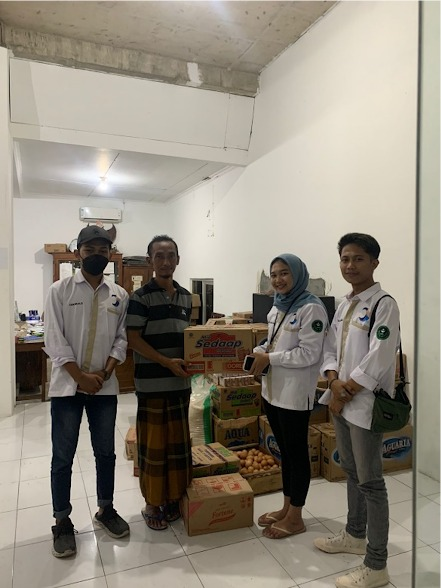
The fundraising initiative collected IDR 2,176,100, which was used to purchase essential household supplies, including:
- Five cartons of instant noodles
- One crate of eggs
- 75 kilograms of rice
- One carton of sugar
- Five packs of tea
- Two cartons of cooking oil
- One carton of laundry soap
The assistance was distributed to residents of Sriwulan Village, Sayung District, Demak Regency, who were affected by coastal flooding.
This student-led humanitarian initiative demonstrates the ability of BEM KM to mobilise students, organise fundraising activities, manage donated resources, and provide assistance to communities in need.
The activities reflect the social responsibility of student representative organisations and their contribution to community welfare.
The humanitarian activity is presented as an example of BEM KM’s community engagement. Its implementation year should be verified separately before being classified as 2025 evidence.
Institutional Recognition and Organisational Autonomy
UNISSULA recognises the role of student organisations in managing organisational responsibilities through student-led procedures and representative mechanisms.
The formal recognition of BEM KM and the Student Senate provides an institutional foundation for student participation, while organisational assemblies and leadership selection processes enable students to take part directly in decisions concerning their organisations.
The 2025 student general assembly, work-planning activities, and organisational consolidation meetings demonstrate student involvement in the development, management, and evaluation of organisational activities.
BEM KM’s community initiatives further illustrate the practical role of student organisations in undertaking activities that respond to societal needs.
Together, these institutional and student-led practices support meaningful student representation, organisational participation, leadership development, and community engagement.