

















12.2.3 Hazardous Waste Management and Disposal
Commitment to Safe and Responsible Waste Management
Universitas Islam Sultan Agung (UNISSULA) is committed to managing waste in a safe, responsible, and environmentally sound manner.
The university recognises that certain types of waste require special handling because they may pose risks to human health and the environment. For this reason, UNISSULA applies specific requirements for the management and disposal of hazardous waste generated through academic, laboratory, healthcare, administrative, and operational activities.
Institutional Framework
UNISSULA formalised its hazardous waste management requirements through Circular Letter No. 8409/J/SA/IX/2025, dated 10 September 2025.
The circular applies across faculties, RSIGM, bureaux, institutions, technical units, administrative units, and other relevant parts of the university.
The policy was established to support a university environment that is safe, responsible, and sustainable while preventing adverse impacts of waste on human health and the environment.
Scope of Hazardous Waste
UNISSULA requires the safe and responsible management of hazardous waste, including:
- Hazardous and toxic waste (B3);
- Medical waste;
- Infectious waste;
- Chemical waste;
- Pharmaceutical waste;
- Sharps; and
- Laboratory waste.
These categories are explicitly included in the university’s waste management requirements.
Waste Segregation
Each unit that generates hazardous waste is required to separate hazardous waste from ordinary domestic waste.
Segregation ensures that hazardous materials receive appropriate handling from the point of generation until treatment and final disposal.
Hazardous waste must not be mixed with general waste.
Labelling and Identification
Hazardous waste must be properly identified and labelled according to its type and characteristics.
Clear identification helps reduce the risk of accidental exposure, inappropriate mixing, and improper disposal.
Safe Storage
Hazardous waste must be stored appropriately before further handling, transportation, treatment, or transfer.
Temporary storage is carried out in a manner that supports safety and helps prevent leakage, contamination, or uncontrolled release.
Collection and Transport
Units that generate hazardous waste are responsible for ensuring that waste is collected, transported, and transferred according to its type and applicable requirements.
The university requires hazardous waste generators to undertake:
- Segregation;
- Labelling;
- Storage;
- Transportation; and
- Transfer of waste according to its characteristics.
Prohibition of Improper Disposal
UNISSULA prohibits hazardous waste from being mixed with domestic waste or disposed of directly into the environment.
This requirement helps prevent contamination and supports safe and responsible waste management.
Medical and Infectious Waste
Medical and infectious waste is included within the university’s hazardous waste management framework.
These waste streams require separate handling because of their potential health risks and are managed through appropriate treatment channels.
Pharmaceutical Waste
Pharmaceutical waste is also covered within the university’s hazardous waste management requirements.
Such waste is handled separately and directed through appropriate disposal mechanisms to prevent uncontrolled release into the environment.
Chemical and Laboratory Waste
Chemical and laboratory waste is explicitly included within the university’s hazardous waste management system.
These waste types may arise from teaching, research, testing, clinical, or laboratory activities and therefore require appropriate segregation, storage, treatment, and disposal.
Sharps Management
Sharps are specifically identified as hazardous waste.
Items such as needles and other sharp materials require separate handling because they may cause injury or exposure to biological hazards.
Internal Wastewater Treatment Facilities
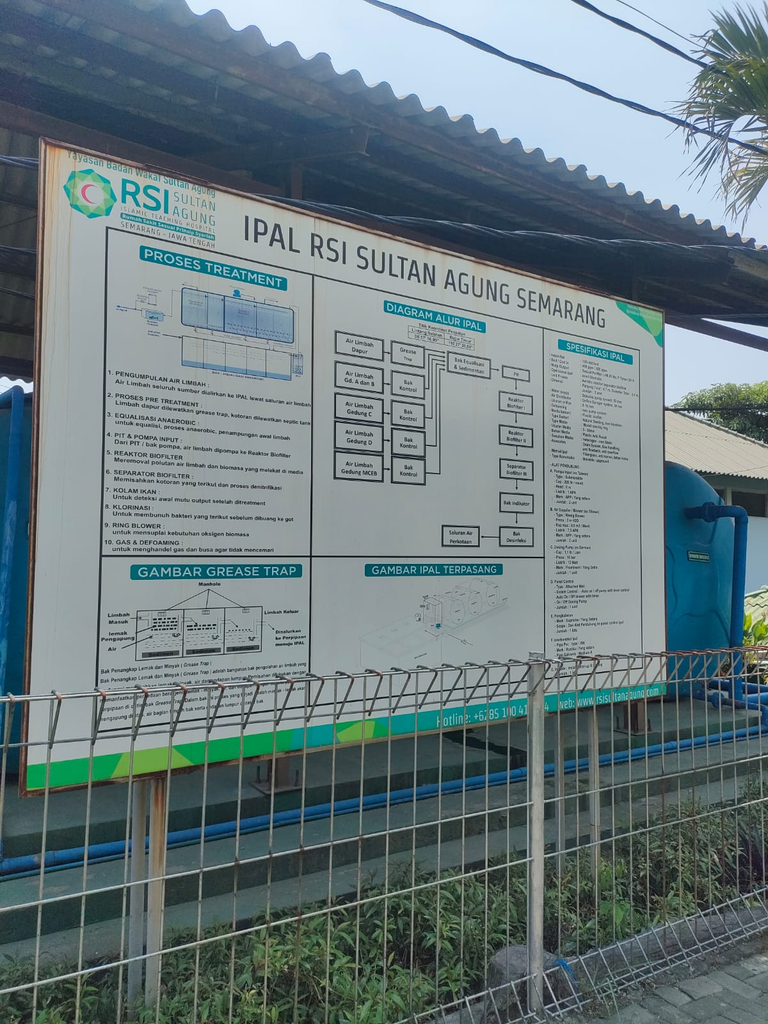
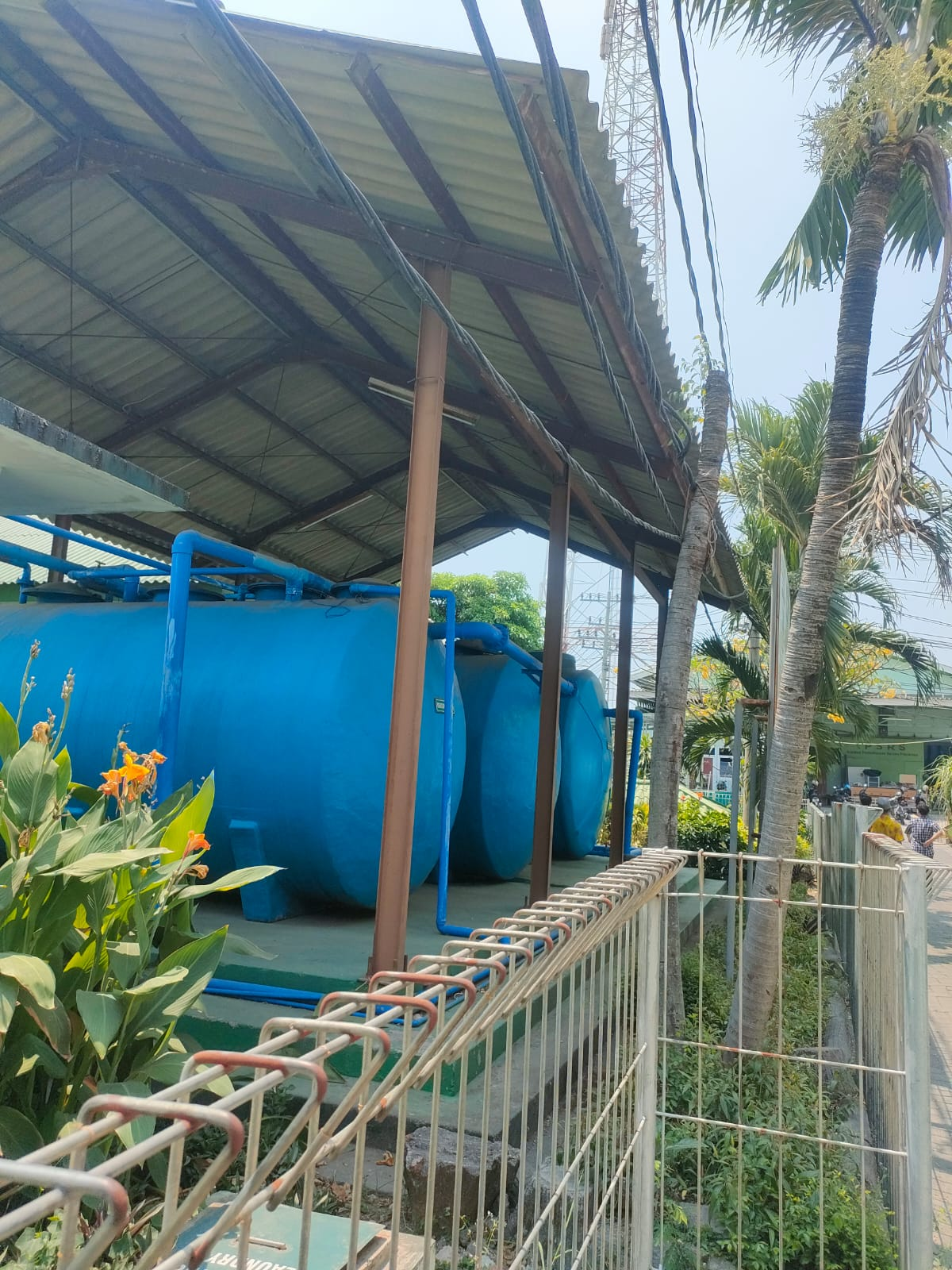
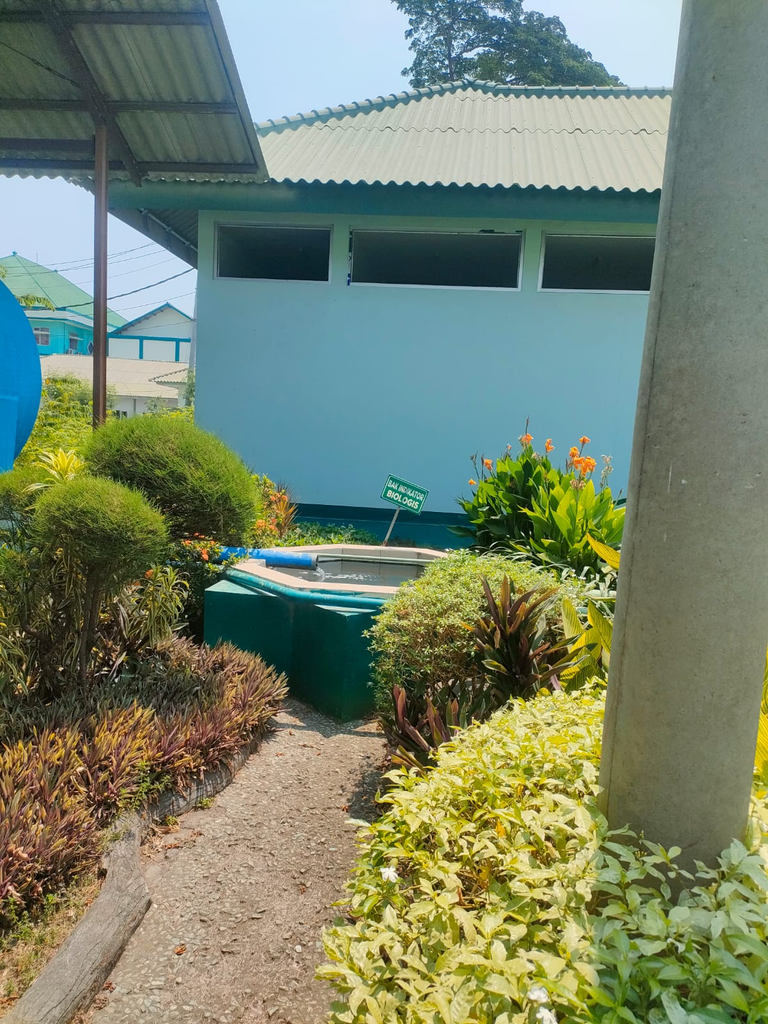
UNISSULA and its affiliated healthcare facilities operate Wastewater Treatment Plants (IPAL – Instalasi Pengolahan Air Limbah) as part of their environmental management systems.
These facilities support the treatment of wastewater generated from healthcare and operational activities before discharge.
The presence of internal wastewater treatment facilities demonstrates that waste management at UNISSULA is supported not only by administrative procedures but also by dedicated treatment infrastructure.
Wastewater Treatment at RSIGM Sultan Agung
RSIGM Sultan Agung operates an Instalasi Pengolahan Air Limbah (IPAL) to manage wastewater generated from its healthcare activities.
The facility supports controlled treatment before wastewater is discharged, helping reduce potential impacts on human health and the surrounding environment.
Wastewater Treatment at RSI Sultan Agung
RSI Sultan Agung Semarang also operates an IPAL facility with a structured treatment process.
The treatment system includes stages such as wastewater collection, pre-treatment, equalisation, biological treatment, filtration or separation, disinfection, and final discharge.
This infrastructure supports responsible wastewater management within the broader UNISSULA institutional environment.
Internal Treatment and Authorised Waste Management
Hazardous waste treatment and final disposal are carried out through authorised units or treatment facilities, including available internal treatment facilities, and/or licensed waste management providers.
This combined approach allows UNISSULA to manage different waste streams according to their characteristics and treatment requirements.
Wastewater that can be treated through internal IPAL facilities is managed within the available treatment system, while waste requiring specialised external handling may be transferred to authorised or licensed waste management providers.
Final Treatment and Disposal
The treatment and final disposal of hazardous waste are conducted through appropriate and authorised mechanisms.
This includes the use of internal treatment infrastructure where applicable and external licensed waste management providers where specialised treatment is required.
This approach is consistent with the university’s requirement that final treatment and disposal be undertaken through authorised units and/or licensed waste managers.
Documentation and Record Keeping
Hazardous waste management is supported by documentation and record keeping.
Relevant units are required to maintain records as part of monitoring, supervision, and accountability.
Documentation supports traceability throughout the waste management process.
Responsibility of Waste-Generating Units
Each unit that generates hazardous waste has responsibility for ensuring that waste is managed appropriately.
This includes faculties, laboratories, healthcare facilities, administrative units, and other operational units.
Responsibility begins at the point where waste is generated and continues until it is transferred to an appropriate treatment or disposal pathway.
Health and Environmental Protection
The hazardous waste management framework is designed to protect:
- Students;
- Academic staff;
- Administrative staff;
- Healthcare workers;
- Laboratory personnel;
- Waste handlers;
- Visitors; and
- The surrounding environment.
Proper waste management reduces the risk of exposure, contamination, injury, and environmental pollution.
Prevention of Environmental Contamination
UNISSULA’s approach places strong emphasis on preventing hazardous waste from entering uncontrolled waste streams or the natural environment.
By requiring segregation, safe storage, controlled transport, internal treatment where appropriate, and authorised disposal, the university reduces the possibility of hazardous materials contaminating soil, water, drainage systems, or surrounding areas.
Safe Campus Operations
Hazardous waste management forms part of UNISSULA’s broader commitment to safe campus operations.
A safe university environment requires both appropriate administrative controls and adequate physical infrastructure for handling and treating potentially hazardous waste.
Monitoring and Accountability
Monitoring and documentation support:
- Internal oversight;
- Traceability;
- Accountability;
- Responsible transfer;
- Compliance with procedures; and
- Continuous improvement.
These measures help ensure that hazardous waste management is implemented as an institutional responsibility.
Responsible Consumption and Production
Hazardous waste management contributes to responsible consumption and production by ensuring that waste generated from university activities is treated and disposed of appropriately.
The university seeks to minimise environmental and health impacts associated with waste generation and disposal.
This approach supports SDG 12: Responsible Consumption and Production.
Evidence of Implementation
UNISSULA’s hazardous waste management and disposal framework is demonstrated through:
- Circular Letter No. 8409/J/SA/IX/2025.
- Institution-wide application of hazardous waste management requirements.
- Explicit coverage of B3 waste.
- Coverage of medical and infectious waste.
- Coverage of chemical and pharmaceutical waste.
- Coverage of sharps and laboratory waste.
- Mandatory waste segregation.
- Labelling and identification requirements.
- Temporary storage requirements.
- Controlled transportation and transfer.
- Prohibition on mixing hazardous waste with domestic waste.
- Prohibition on direct disposal into the environment.
- Operation of internal wastewater treatment facilities (IPAL).
- Wastewater treatment facilities at RSIGM Sultan Agung and RSI Sultan Agung Semarang.
- Final treatment through authorised internal facilities and/or licensed waste management providers.
- Documentation and record keeping for monitoring and accountability.